Hereditas(Beijing) ›› 2026, Vol. 48 ›› Issue (3): 301-312.doi: 10.16288/j.yczz.25-089
• Research Article • Previous Articles Next Articles
Identification of biomarkers for non-obstructive azoospermia based on microRNA and bioinformatics screening
Zhihong Li1( ), Miaoqi Chen1(), Xiaojun Yuan1, Huajun Huang1, Wanting Huang1, Piaoyan Zhou1, Chen Zeng1, Xunuo Feng1, Luoyao Yang1, Shuqiang Huang1, Cuiyu Tan1, Cairong Chen1,2, Qiuxia Yan1,2()
1. Center for Reproductive Medicine ,the Affiliated Qingyuan Hospital (Qingyuan People's Hospital), Guangzhou Medical University Qingyuan, 511518, China 2. Guangdong Engineering Technology Research Center of Urinary Continence and Reproductive Medicine ,the Affiliated Qingyuan Hospital (Qingyuan People's Hospital), Guangzhou Medical University Qingyuan 511518, China
-
Received:2025-07-02Revised:2025-10-24Online:2026-03-20Published:2025-10-30 -
Contact:Qiuxia Yan E-mail:lizhihong5198@outlook.com;cmqmq0502@163.com;yqx2168@163.com -
Supported by:Guangdong Basic and Applied Basic Research Foundation(2025A1515012629);Guangdong Basic and Applied Basic Research Foundation(2023A1515220129);Guangdong Basic and Applied Basic Research Foundation(2019A1515010249);Scientific Research Project of Guangdong Province Bureau of Traditional Chinese Medicine(20241387);Open Research Funds from the Affiliated Qingyuan Hospital (Qingyuan People’s Hospital), Guangzhou Medical University(202301-306);Open Research Funds from the Affiliated Qingyuan Hospital (Qingyuan People’s Hospital), Guangzhou Medical University(202301-104);Plan on Enhancing Innovation Capacity in Guangzhou Medical University(240603131131);Plan on Enhancing Innovation Capacity in Guangzhou Medical University(240603131129);Innovation training Program for university students in Guangdong province(S202410570053)

Cite this article
Zhihong Li, Miaoqi Chen, Xiaojun Yuan, Huajun Huang, Wanting Huang, Piaoyan Zhou, Chen Zeng, Xunuo Feng, Luoyao Yang, Shuqiang Huang, Cuiyu Tan, Cairong Chen, Qiuxia Yan. Identification of biomarkers for non-obstructive azoospermia based on microRNA and bioinformatics screening[J]. Hereditas(Beijing), 2026, 48(3): 301-312.
share this article
Add to citation manager EndNote|Reference Manager|ProCite|BibTeX|RefWorks
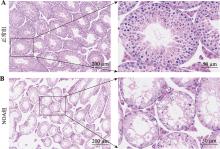
Fig. 1
HE staining of testis"
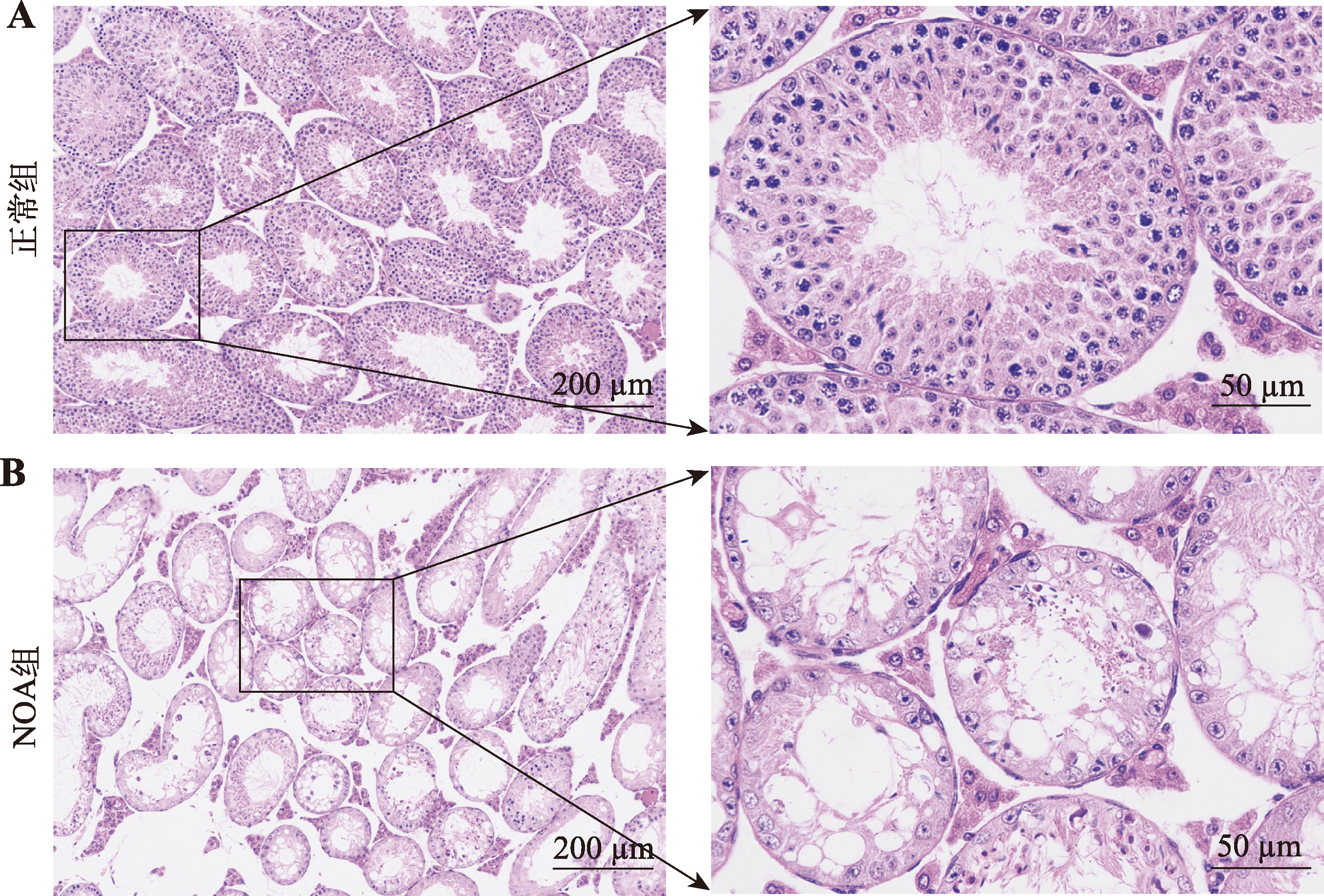
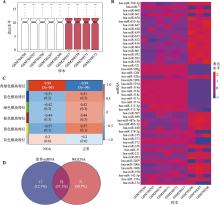
Fig. 2
Screening of spermatogenesis-related differential miRNAs"
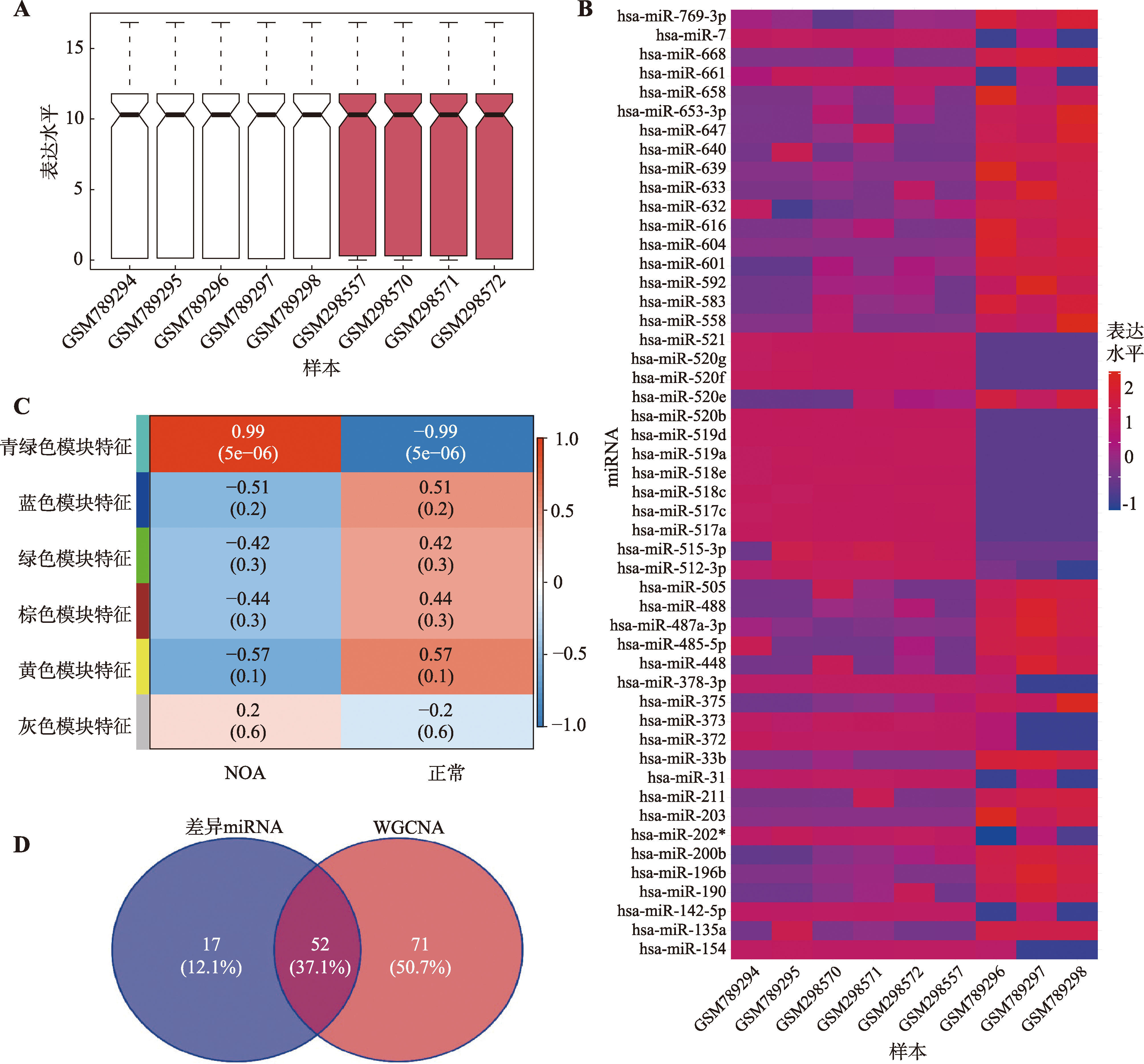
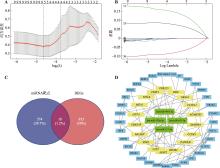
Fig. 3
Acquisition of miRNA targets and screening of key genes"
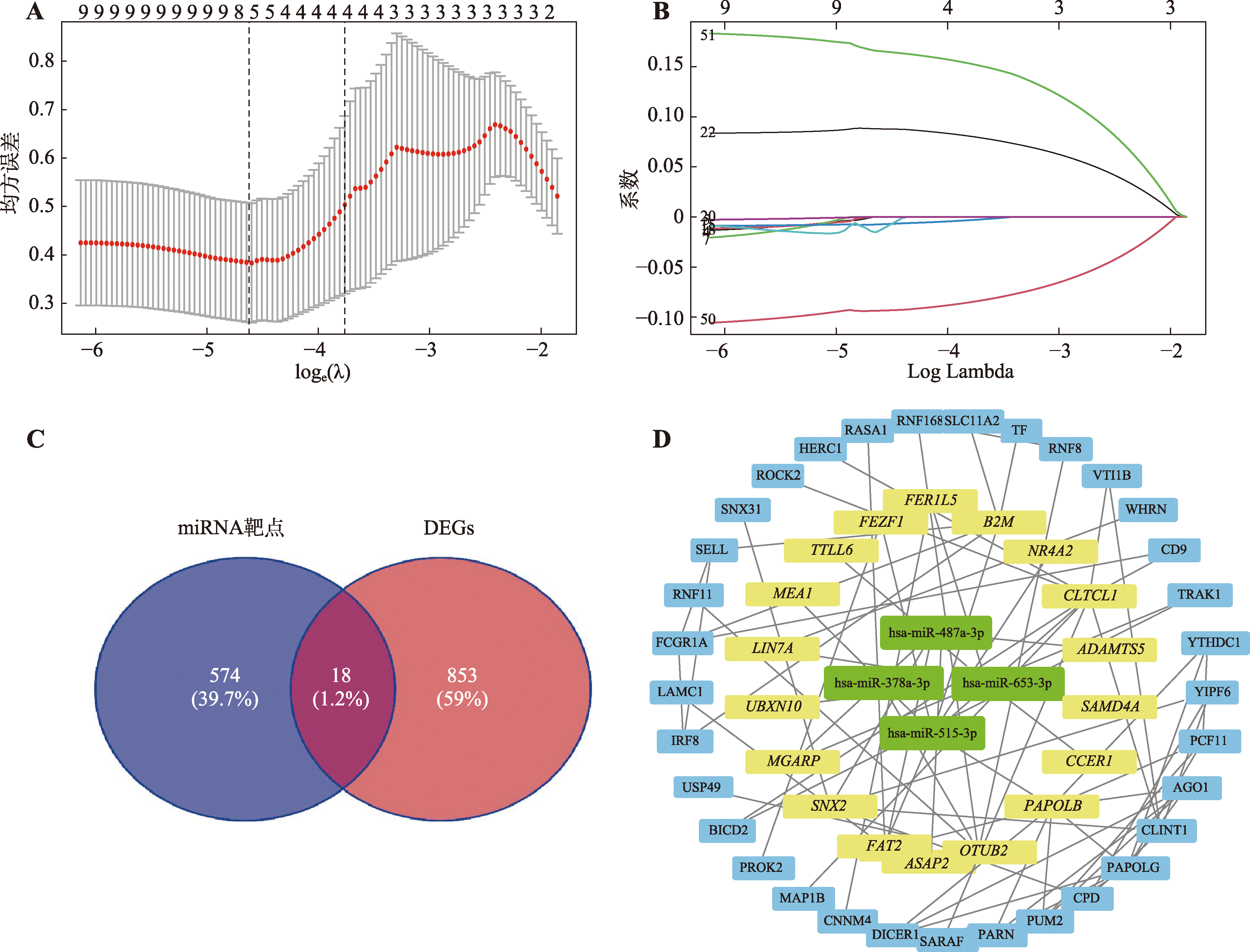
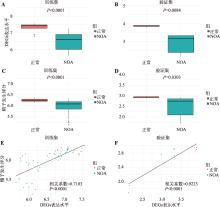
Fig. 4
Spermatogenesis scoring model"
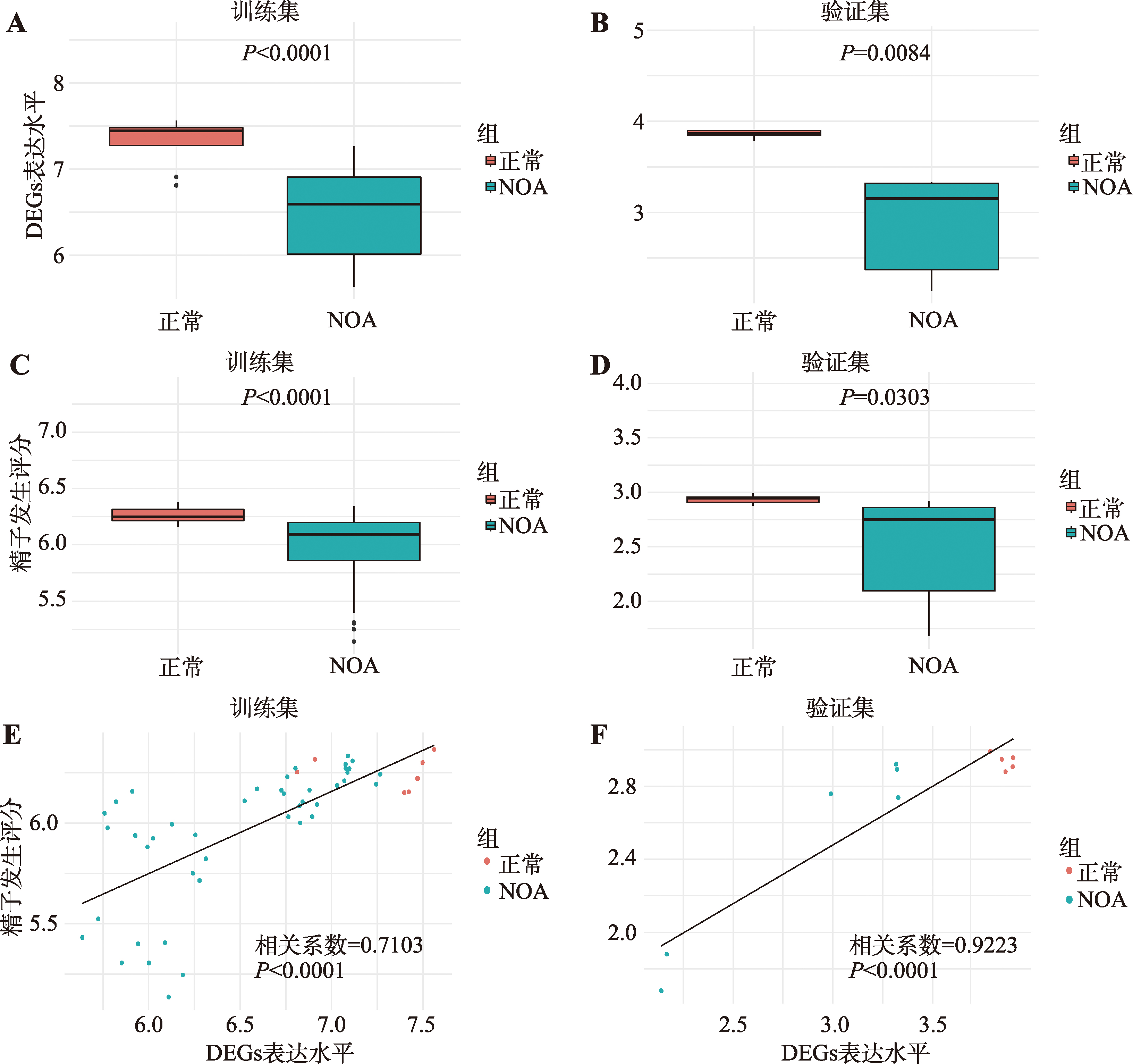
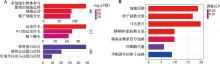
Fig. 5
Differential enrichment analysis of high and low DEGs in the NOA group enrichment analysis"
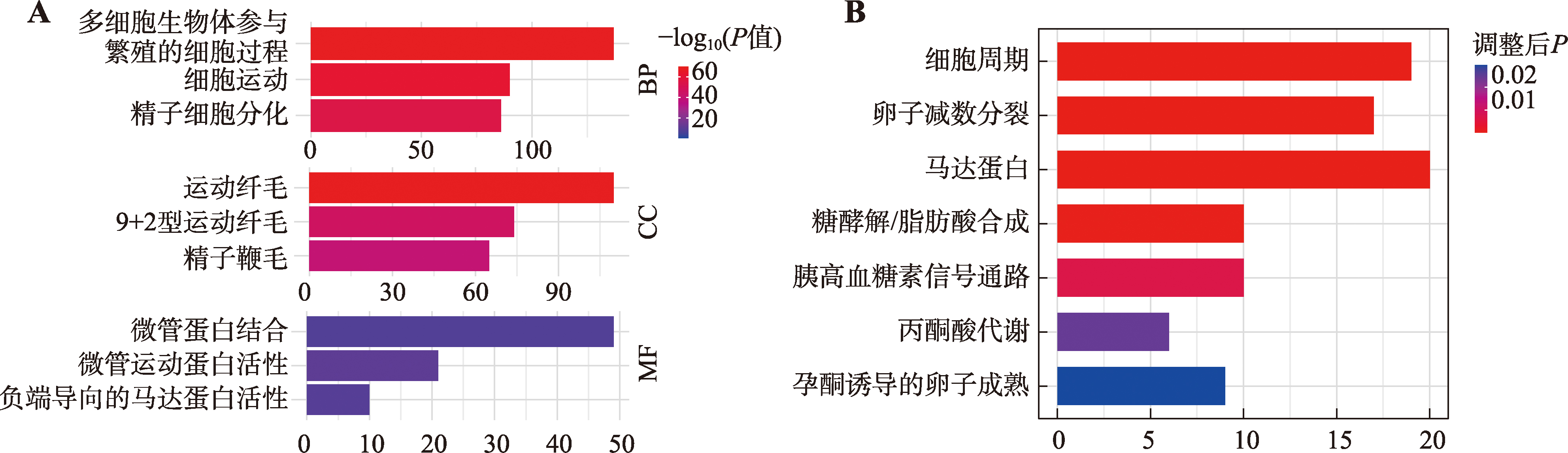
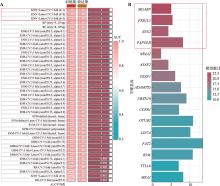
Fig. 6
Establishment of multiple machine learning models and screening of key genes"
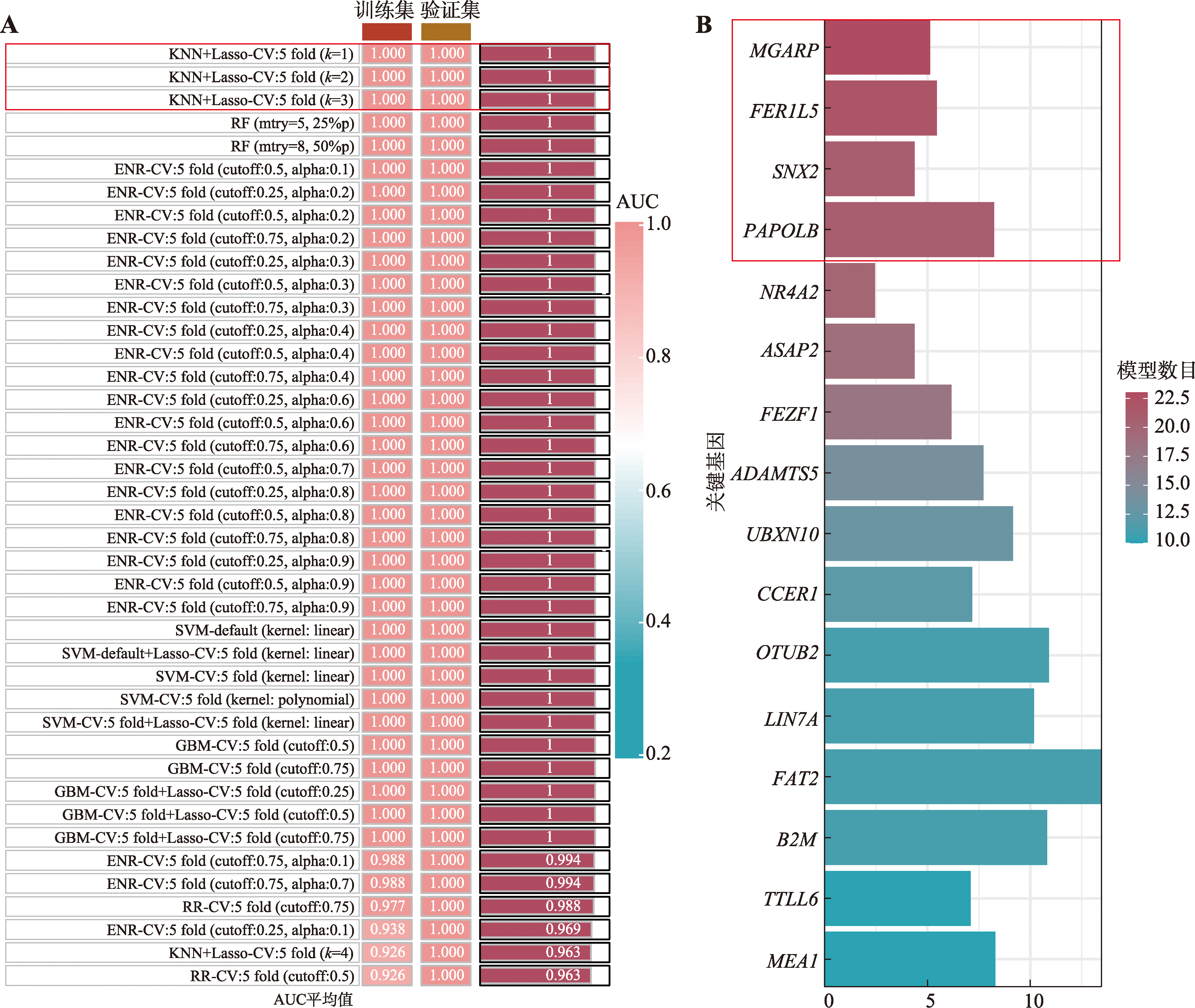
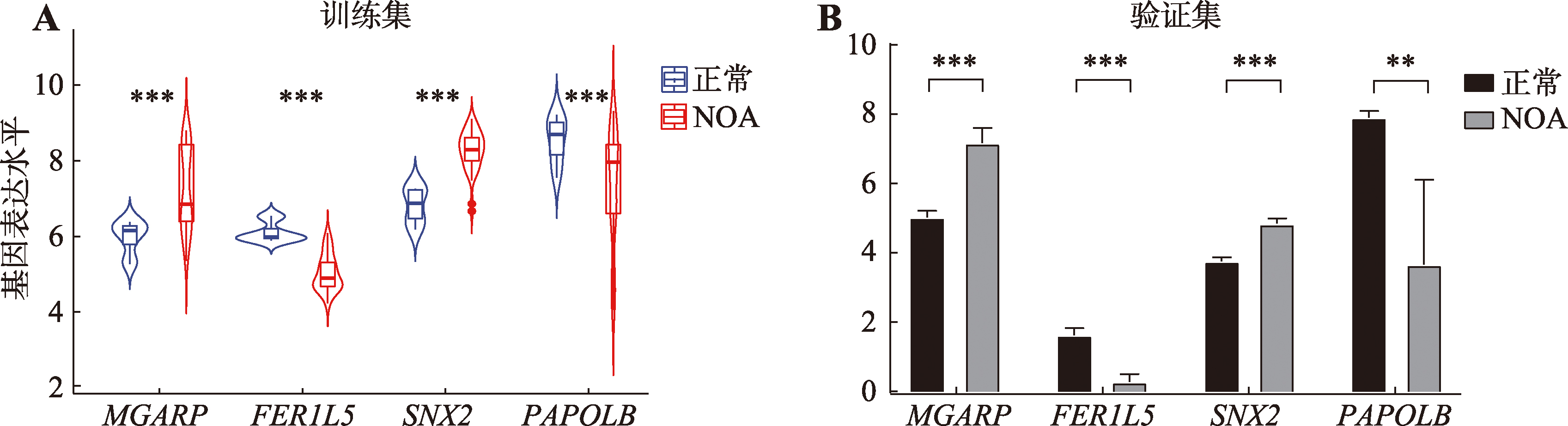
Fig. 7
The expression levels of four key genes in the training set and the validation set"
| [1] |
Chen YD, Liu XX, Zhang L, Zhu FY, Yan LY, Tang WH, Zhang Z, Liu Q, Jiang H, Qiao J. Deciphering the molecular characteristics of human Idiopathic nonobstructive azoospermia from the perspective of germ cells. Adv Sci (Weinh), 2023, 10(17): e2206852.
pmid: 37083227 |
| [2] | Zhang XY, Zhu TY, Zhang QR, Guo XJ, Wang C, Jin GF, Hu ZB. Progress in the genetic studies of spermatogenesis abnormalities. Hereditas(Beijing), 2021, 43(5): 473-486. |
| 张星雨, 祝天喻, 张清荣, 郭雪江, 王铖, 靳光付, 胡志斌. 精子发生障碍的遗传学研究进展. 遗传, 2021, 43(5): 473-486. | |
| [3] |
Piechka A, Sparanese S, Witherspoon L, Hach F, Flannigan R. Molecular mechanisms of cellular dysfunction in testes from men with non-obstructive azoospermia. Nat Rev Urol, 2024, 21(2): 67-90.
pmid: 38110528 |
| [4] |
Ruvkun G. Molecular biology. Glimpses of a tiny RNA world. Science, 2001, 294(5543): 797-799.
pmid: 11679654 |
| [5] | Ran ML, Chen B, Yin J, Yang AQ, Jiang M. Advances in miRNA research related to testis development and spermatogenesis. Hereditas (Beijing), 2014, 36(7): 646-654. |
| 冉茂良, 陈斌, 尹杰, 杨岸奇, 蒋明. 睾丸发育和精子生成相关miRNA研究进展. 遗传, 2014, 36(7): 646-654. | |
| [6] |
Shi ZY, Yu M, Guo TC, Sui Y, Tian ZY, Ni X, Chen XR, Jiang M, Jiang JY, Lu YP, Lin MN. MicroRNAs in spermatogenesis dysfunction and male infertility: clinical phenotypes, mechanisms and potential diagnostic biomarkers. Front Endocrinol (Lausanne), 2024, 15: 1293368.
pmid: 38449855 |
| [7] |
Sabetian S, Zarei M, Jahromi BN, Morowvat MH, Tabei SMB, Cava C. Exploring the dysregulated mRNAs- miRNAs-lncRNAs interactions associated to idiopathic non-obstructive azoospermia. J Biomol Struct Dyn, 2022, 40(13): 5956-5964.
pmid: 33499760 |
| [8] |
Yu M, Mu HL, Niu ZW, Chu ZL, Zhu HJ, Hua JL. MiR-34c enhances mouse spermatogonial stem cells differentiation by targeting Nanos2. J Cell Biochem, 2014, 115(2): 232-242.
pmid: 24038201 |
| [9] |
Wang L, Sun J, Han J, Ma ZW, Pan ML, Du ZJ. MiR-181a promotes spermatogenesis by targeting the S6K1 pathway. Int J Stem Cells, 2021, 14(3): 341-350.
pmid: 33906981 |
| [10] |
Lian J, Zhang XS, Tian H, Liang N, Wang Y, Liang CZ, Li X, Sun F. Altered microRNA expression in patients with non-obstructive azoospermia. Reprod Biol Endocrinol, 2009, 7: 13.
pmid: 19210773 |
| [11] |
Lin WW, Lamb DJ, Lipshultz LI, Kim ED. Demonstration of testicular apoptosis in human male infertility states using a DNA laddering technique. Int Urol Nephrol, 1999, 31(3): 361-370.
pmid: 10672956 |
| [12] |
Finocchi F, Pelloni M, Balercia G, Pallotti F, Radicioni AF, Lenzi A, Lombardo F, Paoli D. Seminal plasma miRNAs in Klinefelter syndrome and in obstructive and non- obstructive azoospermia. Mol Biol Rep, 2020, 47(6): 4373-4382.
pmid: 32488579 |
| [13] |
Tao Y. Endocrine aberrations of human nonobstructive azoospermia. Asian J Androl, 2022, 24(3): 274-286.
pmid: 35042310 |
| [14] |
Zhang W, Zhang YN, Zhao MJ, Ding N, Yan L, Chen J, Gao LN, Zhang GZ, Sun XZ, Gu YQ, Liu ML. MicroRNA expression profiles in the seminal plasma of nonobstructive azoospermia patients with different histopathologic patterns. Fertil Steril, 2021, 115(5): 1197-1211.
pmid: 33602558 |
| [15] |
Chen YH, Wang XW. MiRDB: an online database for prediction of functional microRNA targets. Nucleic Acids Res, 2020, 48(D1): D127-D131.
pmid: 31504780 |
| [16] |
Omolaoye TS, Hachim MY, du Plessis SS. Using publicly available transcriptomic data to identify mechanistic and diagnostic biomarkers in azoospermia and overall male infertility. Sci Rep, 2022, 12(1): 2584.
pmid: 35173218 |
| [17] |
Omolaoye TS, Omolaoye VA, Kandasamy RK, Hachim MY, Du Plessis SS. Omics and male Infertility: highlighting the application of transcriptomic data. Life (Basel), 2022, 12(2): 280.
pmid: 35207567 |
| [18] |
Song WY, Meng H, Wang XG, Jin HX, Yao GD, Shi SL, Wu L, Zhang XY, Sun YP. Reduced microRNA-188-3p expression contributes to apoptosis of spermatogenic cells in patients with azoospermia. Cell Prolif, 2017, 50(1): e12297.
pmid: 27868267 |
| [19] |
Yang C, Yao CC, Tian RH, Zhu ZJ, Zhao LY, Li P, Chen HX, Huang YH, Zhi EL, Gong YH, Xue YJ, Wang H, Yuan QQ, He ZP, Li Z. miR-202-3p regulates Sertoli cell proliferation, synthesis function, and apoptosis by targeting LRP6 and Cyclin D1 of Wnt/β-catenin signaling. Mol Ther Nucleic Acids, 2019, 14: 1-19.
pmid: 30513418 |
| [20] |
Zhao LY, Yao CC, Xing XY, Jing T, Li P, Zhu ZJ, Yang C, Zhai J, Tian RH, Chen HX, Luo JQ, Liu NC, Deng ZW, Lin XH, Li N, Fang J, Sun J, Wang CC, Zhou Z, Li Z. Single-cell analysis of developing and azoospermia human testicles reveals central role of Sertoli cells. Nat Commun, 2020, 11(1): 5683.
pmid: 33173058 |
| [21] |
Meinhardt A, Wilhelm B, Seitz J. Expression of mitochondrial marker proteins during spermatogenesis. Hum Reprod Update, 1999, 5(2): 108-119.
pmid: 10336016 |
| [22] |
Qi SL, Wang YF, Zhou MX, Ge YX, Yan YB, Wang J, Zhang SSM, Zhang SP. A mitochondria-localized glutamic acid-rich protein (MGARP/OSAP) is highly expressed in retina that exhibits a large area of intrinsic disorder. Mol Biol Rep, 2011, 38(5): 2869-2877.
pmid: 20107910 |
| [23] |
Ran LX, Gao ZX, Chen Q, Cui FM, Liu XL, Xue BX. Identification and validation of diagnostic signature genes in non-obstructive azoospermia by machine learning. Aging (Albany NY), 2023, 15(10): 4465-4480.
pmid: 37227814 |
| [24] |
Zhong Q, Lazar CS, Tronchère H, Sato T, Meerloo T, Yeo M, Songyang Z, Emr SD, Gill GN. Endosomal localization and function of sorting nexin 1. Proc Natl Acad Sci USA, 2002, 99(10): 6767-6772.
pmid: 11997453 |
| [25] |
Abdul-Ghani M, Hartman KL, Ngsee JK. Abstrakt interacts with and regulates the expression of sorting nexin-2. J Cell Physiol, 2005, 204(1): 210-218.
pmid: 15690390 |
| [26] |
Kashiwabara SI, Tsuruta S, Okada K, Yamaoka Y, Baba T. Adenylation by testis-specific cytoplasmic poly(A) polymerase, PAPOLB/TPAP, is essential for spermatogenesis. J Reprod Dev, 2016, 62(6): 607-614.
pmid: 27647534 |
| [27] |
Kashiwabara SI, Tsuruta S, Yamaoka Y, Oyama K, Iwazaki C, Baba T. PAPOLB/TPAP regulates spermiogenesis independently of chromatoid body-associated factors. J Reprod Dev, 2018, 64(1): 25-31.
pmid: 29109362 |
| [28] |
Li JY, Ying YY, Qian YL, Chen JP, Huang Y, Liu J, Lv PP, Liu YF, Hu XL, Schilit SLP, Sheng JZ, Huang HF, Zhang D. BNC1 promotes spermatogenesis by regulating transcription of Ybx2 and Papolb via direct binding to their promotor elements. Reprod Sci, 2021, 28(3): 785-793.
pmid: 33211273 |
| [29] |
Zohni K, Zhang X, Tan SL, Chan P, Nagano MC. The efficiency of male fertility restoration is dependent on the recovery kinetics of spermatogonial stem cells after cytotoxic treatment with busulfan in mice. Hum Reprod, 2012, 27(1): 44-53.
pmid: 22082982 |
| [30] |
Hong YG, Yuan QC, Wang Y, Wang DQ, Guan XJ, Chen CD. Analysis of toxicity and mechanisms of busulfan in non-obstructive azoospermia: a genomic and toxicological approach integrating molecular docking, single-cell sequencing, and experimentation in vivo. Ecotoxicol Environ Saf, 2025, 291: 117878.
pmid: 39933234 |
| [31] |
Bartel DP. MicroRNAs: genomics, biogenesis, mechanism, and function. Cell, 2004, 116(2): 281-297.
pmid: 14744438 |
| [32] | Xia MM, Shen XY, Niu CM, Xia J, Sun HY, Zheng Y. MicroRNA regulates Sertoli cell proliferation and adhesion. Hereditas(Beijing), 2018, 40(9): 724-732. |
| 夏蒙蒙, 申雪沂, 牛长敏, 夏静, 孙红亚, 郑英. MicroRNA参与调控睾丸支持细胞的增殖与粘附功能. 遗传, 2018, 40(9): 724-732. | |
| [33] |
Ehses J, Schlegel M, Schröger L, Schieweck R, Derdak S, Bilban M, Bauer K, Harner M, Kiebler MA. The dsRBP Staufen2 governs RNP assembly of neuronal Argonaute proteins. Nucleic Acids Res, 2022, 50(12): 7034-7047.
pmid: 35687120 |
| [34] |
Yoda M, Kawamata T, Paroo Z, Ye XC, Iwasaki S, Liu QH, Tomari Y. ATP-dependent human RISC assembly pathways. Nat Struct Mol Biol, 2010, 17(1): 17-23.
pmid: 19966796 |
| [35] |
Mills IG, Praefcke GJK, Vallis Y, Peter BJ, Olesen LE, Gallop JL, Butler PJG, Evans PR, McMahon HT. EpsinR: an AP1/clathrin interacting protein involved in vesicle trafficking. J Cell Biol, 2003, 160(2): 213-222.
pmid: 12538641 |
| [36] |
Wu GF, Rouvière JO, Schmid M, Jensen TH. RNA 3′end tailing safeguards cells against products of pervasive transcription termination. Nat Commun, 2024, 15(1): 10446.
pmid: 39617768 |
| [1] | Xuefeng Xu, Xingkun Jin, Yan Shi, Zhe Zhao. Comprehensive analysis of the composition and distribution of anti-phage defense systems in Vibrio genomes [J]. Hereditas(Beijing), 2025, 47(9): 1057-1068. |
| [2] | Mengwei Guo, Youhong Fan, Guodong Ren. Molecular basis of microRNA stability and degradation in plants [J]. Hereditas(Beijing), 2025, 47(8): 944-957. |
| [3] | Yuqian Shi, Jianfeng Ma, Siyu Chen, Lixin Zhou, Jia Xue, Linyuan Shen, Li Zhu, Mailin Gan. Progress on small non-coding RNAs in male reproductive development and intergenerational inheritance [J]. Hereditas(Beijing), 2025, 47(8): 861-875. |
| [4] | Huaihao Yang, Binglian Zheng. Biogenesis, action, function of plant small RNAs and their potential application in agriculture [J]. Hereditas(Beijing), 2025, 47(8): 928-943. |
| [5] | Deyu Xu, Xi Zhou, Yujie Ren. RNAi-based antiviral immunity [J]. Hereditas(Beijing), 2025, 47(8): 876-884. |
| [6] | Xiao Zhang, Yan Yu, Yong Ning, Qiwen Hong, Huaiping Shi. Advances in microRNA promoting gene expression [J]. Hereditas(Beijing), 2025, 47(7): 729-741. |
| [7] | Mengting An, Guanlin Guo, Jie Wu, Wenjing Sun, Xueyuan Jia. Analysis of regulatory mechanisms of enhancers in gastric cancer with double minute chromosomes based on bioinformatics [J]. Hereditas(Beijing), 2025, 47(5): 558-572. |
| [8] | Hui Liang, Xue Wang, Jingfang Si, Yi Zhang. Classification accuracy of machine learning algorithms for Chinese local cattle breeds using genomic markers [J]. Hereditas(Beijing), 2024, 46(7): 530-539. |
| [9] | Zhang Yiwen, Huang Qin, Wu Yanyun, Sun Yue, Wei Yonglong. Progress on the role of LIN28A/B in tumor development and progression [J]. Hereditas(Beijing), 2024, 46(6): 452-465. |
| [10] | Yao Chen, Xin Wen, Fangyuan Yuan, Chaoling Peng, Cuizhe Wang, Jun Zhang, Pingping Meng. Screening and validation of downstream target genes of SLC25A21 based on bioinformatics [J]. Hereditas(Beijing), 2024, 46(12): 1055-1065. |
| [11] | Huiyi Zheng, Huaxuan Wu, Zhiqiang Du. Gut metagenome-derived image augmentation and deep learning improve prediction accuracy of metabolic disease classification [J]. Hereditas(Beijing), 2024, 46(10): 886-896. |
| [12] | Ziyi Zhang, Qilin Wang, Junyou Zhang, Yingying Duan, Jiaxin Liu, Zhaoshuo Liu, Chunyan Li. Machine learning applications in breast cancer survival and therapeutic outcome prediction based on multi-omic analysis [J]. Hereditas(Beijing), 2024, 46(10): 820-832. |
| [13] | Dong Chen, Shujie Wang, Zhenjian Zhao, Xiang Ji, Qi Shen, Yang Yu, Shengdi Cui, Junge Wang, Ziyang Chen, Jinyong Wang, Zongyi Guo, Pingxian Wu, Guoqing Tang. Genomic prediction of pig growth traits based on machine learning [J]. Hereditas(Beijing), 2023, 45(10): 922-932. |
| [14] | Yongqiang Kong, Jinkai Liu, Jiaqi Gu, Jingyi Xu, Yunuo Zheng, Yiliang Wei, Shaoyuan Wu. Optimization scheme of machine learning model for genetic division between northern Han, southern Han, Korean and Japanese [J]. Hereditas(Beijing), 2022, 44(11): 1028-1043. |
| [15] | Shanshan Wang, Wanyi Zhao, Huixiao Wu, Meng Shu, Jiaxin Yuan, Li Fang, Chao Xu. Research on the variants of FGFR1 and CEP290 genes in idiopathic hypogonadotropin hypogonadism [J]. Hereditas(Beijing), 2022, 44(10): 937-949. |
| Viewed | ||||||
|
Full text |
|
|||||
|
Abstract |
|
|||||

