Hereditas(Beijing) ›› 2025, Vol. 47 ›› Issue (11): 1269-1283.doi: 10.16288/j.yczz.24-353
• Technique and Method • Previous Articles
A method for interpreting mixed DNA evidence based on the gamma model
Tianli Guo( ), Tao Zhang, Hua Guan, Yuguang Wang, Li Chen
The First Research Institute of Ministray of Public Security Beijing 100044, China
-
Received:2025-03-15Revised:2025-06-27Online:2025-11-20Published:2025-07-14 -
Contact:Tianli Guo E-mail:guotianli1@163.com -
Supported by:Ministry of Public Security Science and Technology Program Project(2022JSYJC04);14th Five-Year National Key Research and Development Program Project(2021YFC3300101)

Cite this article
Tianli Guo, Tao Zhang, Hua Guan, Yuguang Wang, Li Chen. A method for interpreting mixed DNA evidence based on the gamma model[J]. Hereditas(Beijing), 2025, 47(11): 1269-1283.
share this article
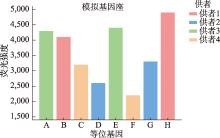
Fig. 1
A model of fluorescence intensity for four donors with eight alleles"
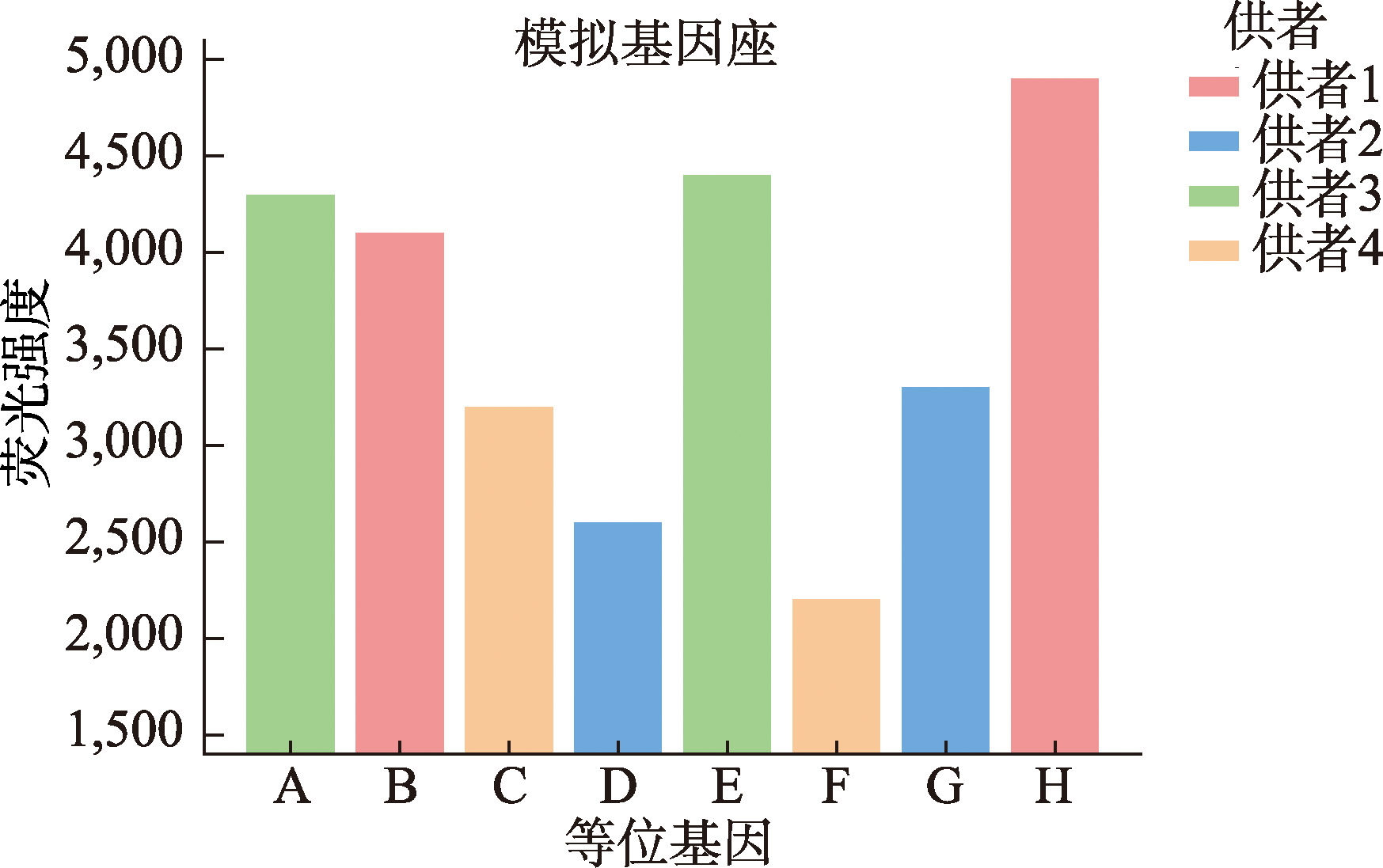
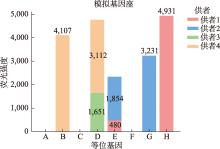
Fig. 2
Allelic sharing among multiple donors"
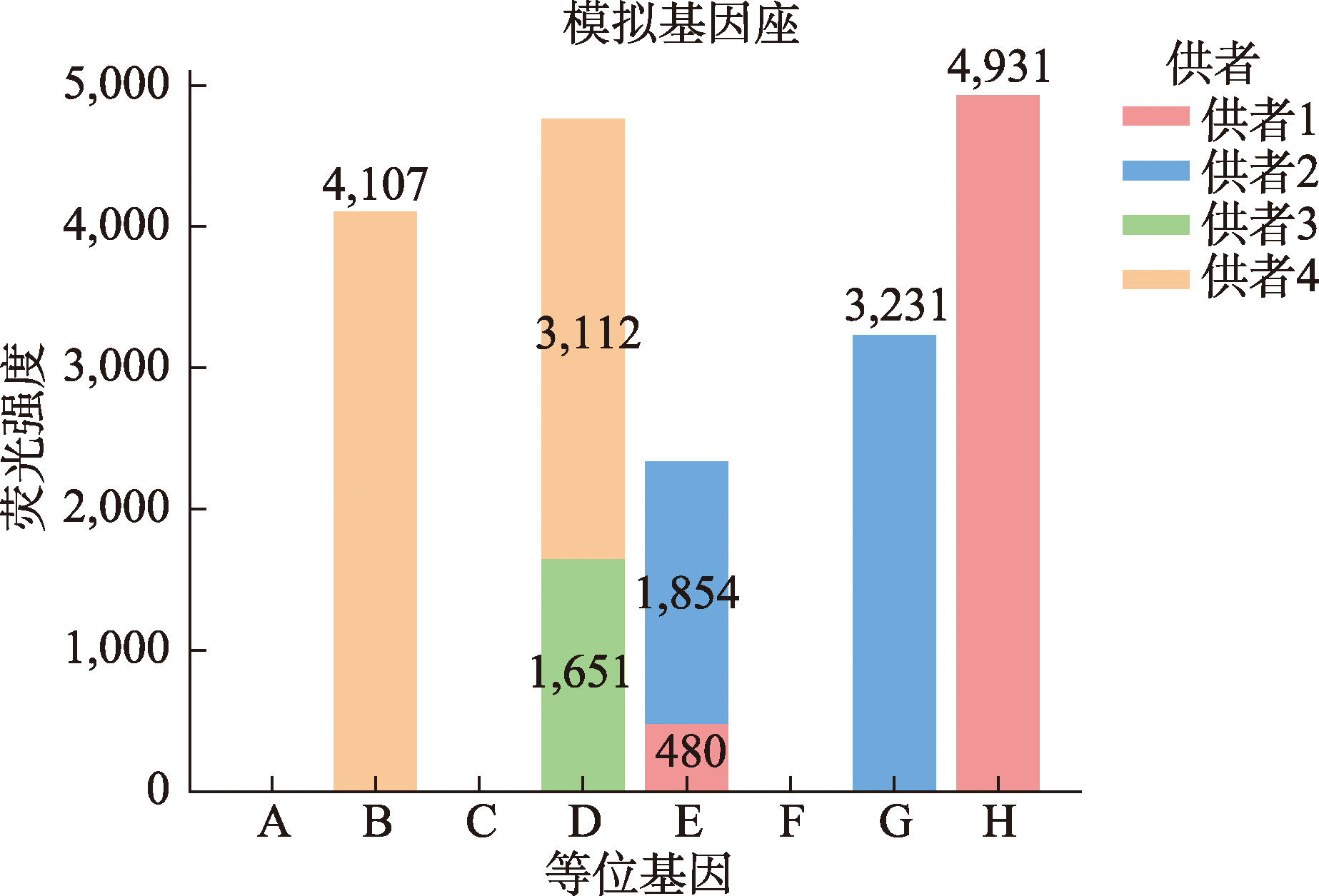
Table 1
Residual sum of expected peak height and observed peak height of alleles"
| 等位基因 | 供者1贡献高度 | 供者2贡献高度 | 供者3贡献高度 | 供者4贡献高度 | 残差平方和 |
|---|---|---|---|---|---|
| B | |||||
| D | |||||
| E | |||||
| G | |||||
| H |
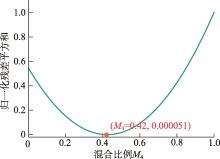
Fig. 3
Mixture ratio optimization via minimum residual method for allele B peak height with single donor contribution"
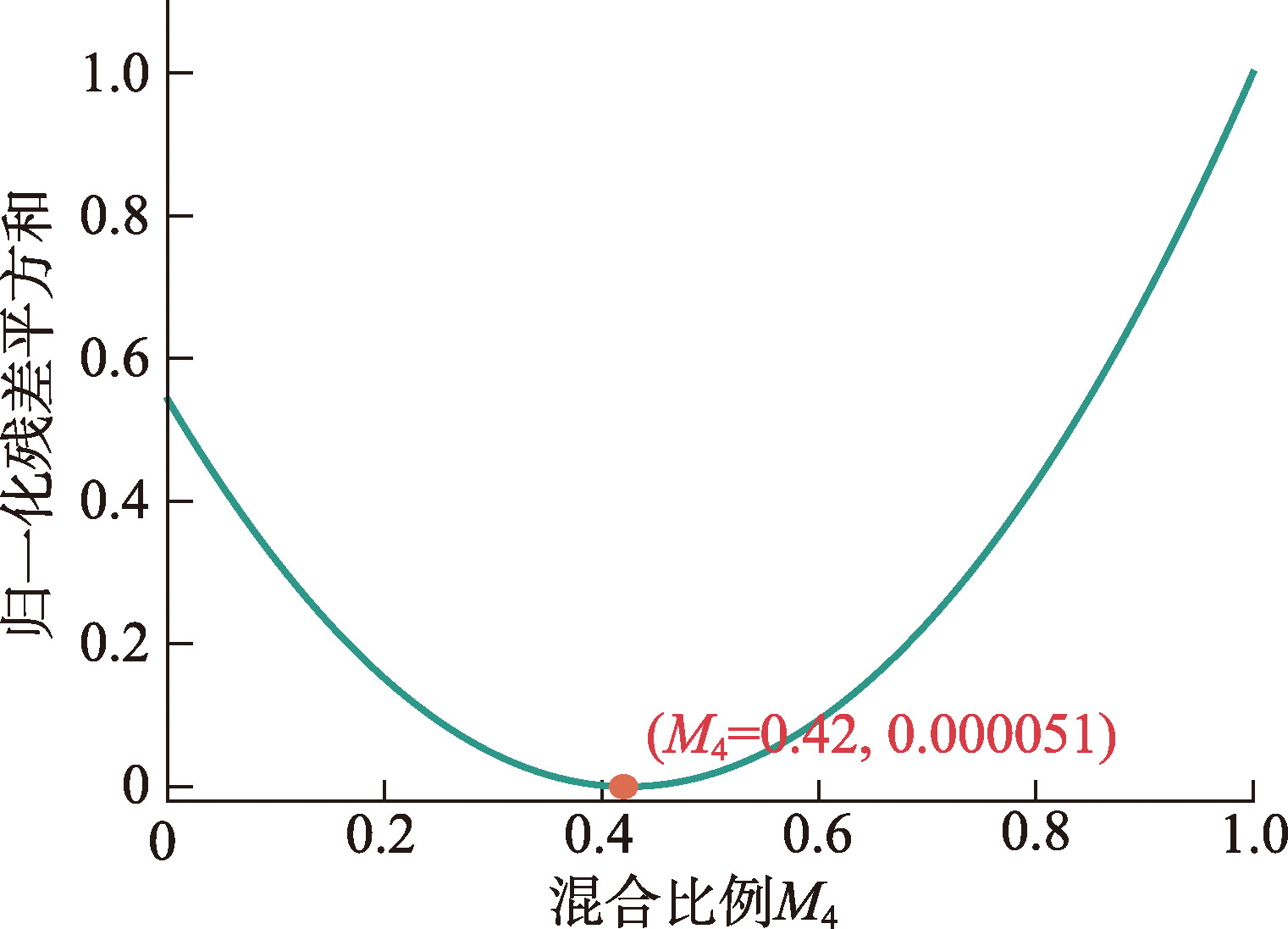
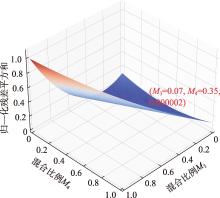
Fig. 4
Mixture ratio optimization via minimum residual method for allele D peak height with two donor contribution"
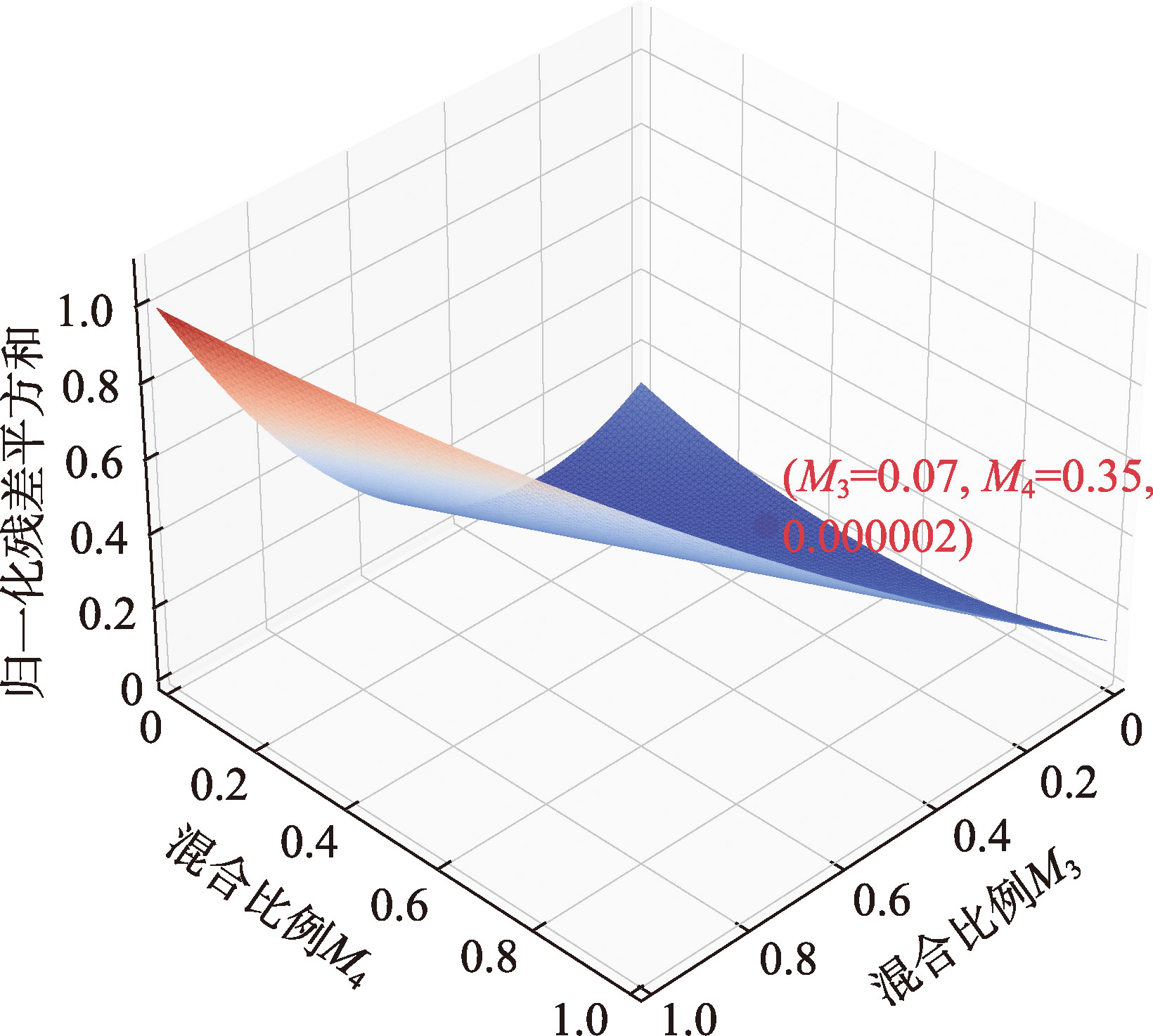
Fig. 5
Parameter calculation process"
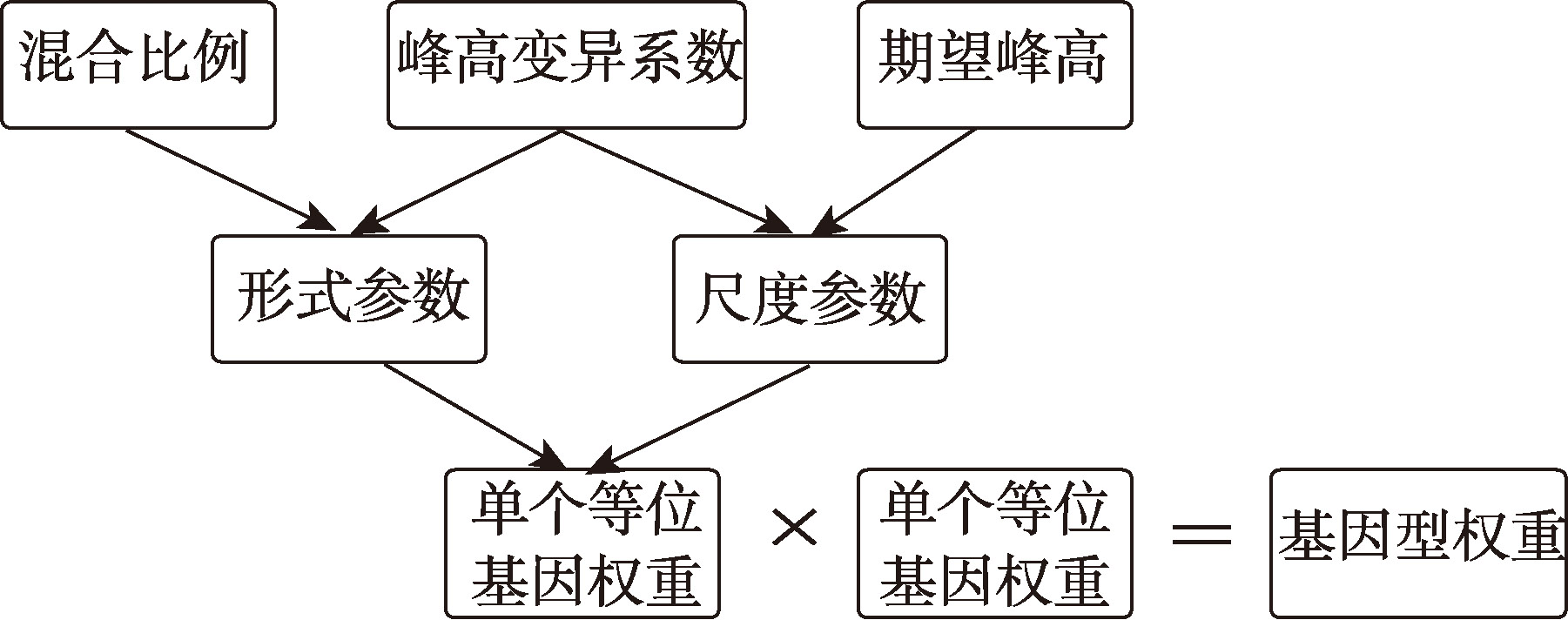
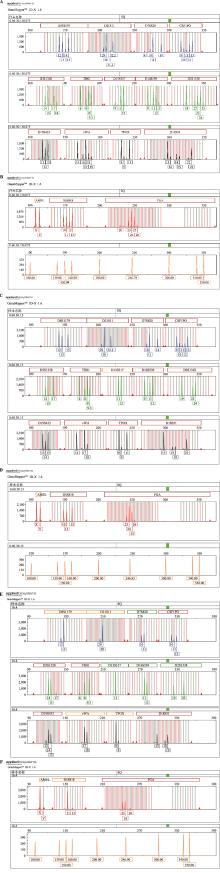
Fig. 6
Map of the typing results of mixed samples"
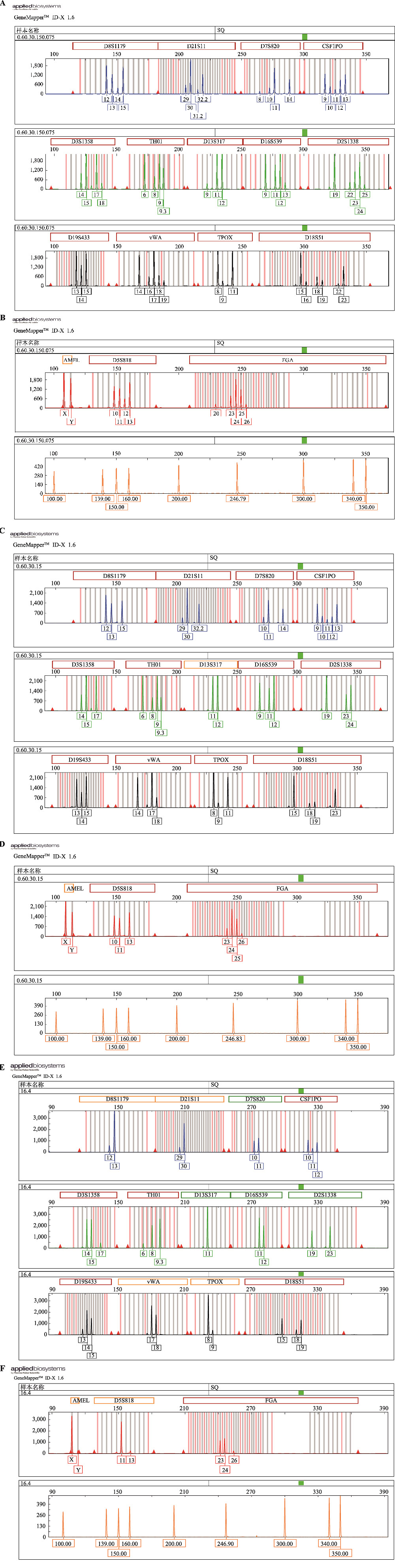
Table 2
Allelic peak height information of mixed sample 1"
| 位点 | 基因1 | 基因2 | 基因3 | 基因4 | 基因5 | 基因6 | 高度1 | 高度2 | 高度3 | 高度4 | 高度5 | 高度6 |
|---|---|---|---|---|---|---|---|---|---|---|---|---|
| D8S1179 | 12 | 13 | 14 | 15 | 1,831 | 1,264 | 386 | 1,716 | ||||
| D21S11 | 29 | 30 | 31.2 | 32.2 | 570 | 2,254 | 292 | 1,255 | ||||
| D7S820 | 8 | 10 | 11 | 14 | 185 | 407 | 1,662 | 922 | ||||
| CSF1PO | 9 | 10 | 11 | 12 | 13 | 1,269 | 480 | 306 | 903 | 1,238 | ||
| D3S1358 | 14 | 15 | 17 | 18 | 1,045 | 3,198 | 2,693 | 409 | ||||
| TH01 | 6 | 8 | 9 | 9.3 | 2,834 | 843 | 2,321 | 1,377 | ||||
| D13S317 | 9 | 11 | 12 | 380 | 2,658 | 4,184 | ||||||
| D16S539 | 9 | 11 | 12 | 13 | 2,318 | 1,570 | 3,020 | 429 | ||||
| D2S1338 | 19 | 22 | 23 | 24 | 25 | 2,418 | 462 | 1,146 | 1,752 | 312 | ||
| D19S433 | 13 | 14 | 15 | 2,262 | 1,359 | 2,096 | ||||||
| vWA | 14 | 16 | 17 | 18 | 19 | 2,013 | 618 | 3,344 | 700 | 378 | ||
| TPOX | 8 | 9 | 11 | 3,530 | 368 | 2,703 | ||||||
| D18S51 | 15 | 16 | 18 | 19 | 22 | 23 | 2,165 | 326 | 606 | 410 | 177 | 1,273 |
| AMEL | X | Y | 2,800 | 1,902 | ||||||||
| D5S818 | 10 | 11 | 12 | 13 | 1,375 | 1,251 | 588 | 1,632 | ||||
| FGA | 20 | 23 | 24 | 25 | 26 | 254 | 783 | 1,844 | 1,181 | 239 |
Table 3
Allelic peak height information of mixed sample 2"
| 位点 | 基因1 | 基因2 | 基因3 | 基因4 | 基因5 | 高度1 | 高度2 | 高度3 | 高度4 | 高度5 |
|---|---|---|---|---|---|---|---|---|---|---|
| D8S1179 | 12 | 13 | 15 | 1,963 | 1,380 | 1,560 | ||||
| D21S11 | 29 | 30 | 32.2 | 388 | 2,459 | 1,340 | ||||
| D7S820 | 10 | 11 | 14 | 434 | 1,607 | 995 | ||||
| CSF1PO | 9 | 10 | 11 | 12 | 13 | 1,346 | 505 | 270 | 462 | 1,314 |
| D3S1358 | 14 | 15 | 17 | 1,134 | 3,408 | 2,431 | ||||
| TH01 | 6 | 8 | 9 | 9.3 | 2,528 | 933 | 2,436 | 944 | ||
| D13S317 | 11 | 12 | 2,398 | 4,348 | ||||||
| D16S539 | 9 | 11 | 12 | 1,956 | 1,584 | 3,153 | ||||
| D2S1338 | 19 | 23 | 24 | 2,538 | 1,158 | 1,798 | ||||
| D19S433 | 13 | 14 | 15 | 2,013 | 1,088 | 2,199 | ||||
| vWA | 14 | 17 | 18 | 2,121 | 3,488 | 726 | ||||
| TPOX | 8 | 9 | 11 | 3,746 | 362 | 2,142 | ||||
| D18S51 | 15 | 18 | 19 | 23 | 2,221 | 325 | 419 | 1,324 | ||
| AMEL | X | Y | 2,713 | 1,707 | ||||||
| D5S818 | 10 | 11 | 13 | 1,451 | 1,290 | 1,676 | ||||
| FGA | 23 | 24 | 25 | 26 | 588 | 1,911 | 1,233 | 221 |
Table 4
Allelic peak height information of mixed sample 3"
| 位点 | 基因1 | 基因2 | 基因3 | 高度1 | 高度2 | 高度3 |
|---|---|---|---|---|---|---|
| D8S1179 | 12 | 13 | 609 | 3,674 | ||
| D21S11 | 29 | 30 | 453 | 2,567 | ||
| D7S820 | 10 | 11 | 1,012 | 1,262 | ||
| CSF1PO | 10 | 11 | 12 | 1,115 | 365 | 889 |
| D3S1358 | 14 | 15 | 17 | 2,555 | 2,541 | 482 |
| TH01 | 6 | 8 | 9.3 | 438 | 2,023 | 2,594 |
| D13S317 | 11 | 4,385 | ||||
| D16S539 | 11 | 12 | 2,684 | 1,998 | ||
| D2S1338 | 19 | 23 | 1,552 | 1,926 | ||
| D19S433 | 13 | 14 | 15 | 523 | 2,185 | 1,479 |
| vWA | 17 | 18 | 2,597 | 1,778 | ||
| TPOX | 8 | 9 | 3,527 | 426 | ||
| D18S51 | 15 | 18 | 19 | 1,459 | 485 | 1,327 |
| AMEL | X | Y | 3,344 | 293 | ||
| D5S818 | 11 | 13 | 2,840 | 300 | ||
| FGA | 23 | 24 | 26 | 1,164 | 1,347 | 267 |
Table 5
The initial parameters of the iteration"
| 样本 | 混合比例 | 变异系数 | 期望峰高 | 迭代次数 |
|---|---|---|---|---|
| 混合样本1 | 0.25 | 0.25~1 | 2,828~8,000 | 50 |
| 混合样本2 | 0.33 | 0.24~1 | 2,643~8,000 | 50 |
| 混合样本3 | 0.50 | 0.26~1 | 1,894~8,000 | 50 |
Table 6
The calculation results of the model"
| 参数 | 辩方估计 | 控方估计 | ||||
|---|---|---|---|---|---|---|
| 样本1 | 样本2 | 样本3 | 样本1 | 样本2 | 样本3 | |
| 供者1混合比例 | 0.58 | 0.50 | 0.81 | 0.21 | 0.30 | 0.81 |
| 供者2混合比例 | 0.14 | 0.38 | 0.19 | 0.57 | 0.60 | 0.19 |
| 供者3混合比例 | 0.14 | 0.11 | - | 0.11 | 0.10 | - |
| 供者4混合比例 | 0.14 | - | - | 0.11 | - | - |
| 期望峰高 | 2,859 | 2,644 | 1,894 | 2,859 | 2,644 | 1,894 |
| 峰高变化值 | 0.23 | 0.36 | 0.28 | 0.21 | 0.19 | 0.28 |
| 证据力度 | -567.91 | -467.85 | -327.91 | -551.90 | -443.76 | -290.45 |
Table 7
Allelic resolution results under the proposition of both sides in sample 1"
| 位点 | 供者1 | 供者2 | 供者3 | 供者4 | ||||
|---|---|---|---|---|---|---|---|---|
| 辩方 | 控方 | 辩方 | 控方 | 辩方 | 控方 | 辩方 | 控方 | |
| D8S1179 | 12, 15 | 13, 13 | 12, 13 | 12, 15 | 13, 14 | 13, 14 | 13, 13 | 12, 13 |
| D21S11 | 30, 32.2 | 30, 30 | 29, 30 | 30, 32.2 | 30, 31.2 | 29, 31.2 | 29, 30 | 29, 30 |
| D7S820 | 11, 14 | 10, 11 | 10, 11 | 11, 14 | 8, 11 | 8, 11 | 10, 11 | 10, 11 |
| CSF1PO | 9, 13 | 10, 12 | 10, 12 | 9, 13 | 11, 12 | 11, 12 | 10, 12 | 11, 12 |
| D3S1358 | 15, 17 | 14, 15 | 14, 15 | 15, 17 | 14, 17 | 17, 18 | 15, 18 | 15, 17 |
| TH01 | 6, 9 | 8, 9.3 | 6, 9.3 | 6, 9 | 8, 9.3 | 6, 9.3 | 6, 9.3 | 6, 9.3 |
| D13S317 | 11, 12 | 11, 11 | 11, 12 | 12, 12 | 9, 12 | 9, 11 | 11, 12 | 11, 12 |
| D16S539 | 9, 12 | 11, 12 | 11, 12 | 9, 12 | 11, 13 | 11, 13 | 11, 12 | 11, 12 |
| D2S1338 | 19, 24 | 19, 23 | 19, 23 | 19, 24 | 22, 23 | 22, 23 | 23, 25 | 23, 25 |
| D19S433 | 13, 15 | 14, 15 | 13, 14 | 13, 15 | 14, 15 | 13, 14 | 13, 14 | 13, 14 |
| vWA | 14, 17 | 17, 18 | 16, 17 | 14, 17 | 17, 18 | 16, 19 | 17, 19 | 16, 17 |
| TPOX | 8, 11 | 8, 8 | 8, 11 | 8, 11 | 8, 11 | 8, 9 | 8, 9 | 8, 11 |
| D18S51 | 15, 23 | 15, 19 | 15, 16 | 15, 23 | 18, 19 | 16, 18 | 15, 22 | 18, 22 |
| D5S818 | 10, 13 | 11, 11 | 11, 12 | 10, 13 | 11, 11 | 11, 12 | 11, 12 | 11, 12 |
| FGA | 24, 25 | 23, 24 | 23, 24 | 24, 25 | 23, 24 | 20, 26 | 20, 26 | 23, 24 |
Table 8
Allelic resolution results under the proposition of both sides in sample 2"
| 位点 | 供者1 | 供者2 | 供者3 | |||
|---|---|---|---|---|---|---|
| 辩方 | 控方 | 辩方 | 控方 | 辩方 | 控方 | |
| D8S1179 | 12, 15 | 13, 13 | 12, 13 | 12, 15 | 13, 13 | 12, 13 |
| D21S11 | 30, 32.2 | 30, 30 | 29, 30 | 30, 32.2 | 30, 30 | 29, 29 |
| D7S820 | 11, 14 | 10, 11 | 10, 11 | 11, 14 | 10, 11 | 10, 11 |
| CSF1PO | 9, 13 | 10, 12 | 10, 12 | 9, 13 | 11, 12 | 11, 11 |
| D3S1358 | 15, 17 | 14, 15 | 14, 15 | 15, 17 | 15, 17 | 15, 17 |
| TH01 | 6, 9 | 8, 9.3 | 8, 9.3 | 6, 9 | 6, 9.3 | 6, 9.3 |
| D13S317 | 11, 12 | 11, 11 | 11, 12 | 12, 12 | 11, 12 | 11, 12 |
| D16S539 | 9, 12 | 11, 12 | 11, 12 | 9, 12 | 11, 12 | 11, 12 |
| D2S1338 | 19, 24 | 19, 23 | 19, 23 | 19, 24 | 23, 24 | 23, 24 |
| D19S433 | 13, 15 | 14, 15 | 14, 15 | 13, 15 | 13, 14 | 13, 14 |
| vWA | 14, 17 | 17, 18 | 17, 18 | 14, 17 | 17, 17 | 17, 17 |
| TPOX | 8, 11 | 8, 8 | 8, 11 | 8, 11 | 8, 9 | 8, 9 |
| D18S51 | 15, 23 | 15, 19 | 15, 19 | 15, 23 | 15, 18 | 15, 18 |
| D5S818 | 10, 13 | 11, 11 | 11, 13 | 10, 13 | 11, 11 | 11, 13 |
| FGA | 24, 25 | 23, 24 | 23, 24 | 24, 25 | 24, 26 | 24, 26 |
Table 9
Allelic resolution results under the proposition of both sides in sample 3"
| 位点 | 供者1 | 供者2 | ||
|---|---|---|---|---|
| 辩方 | 控方 | 辩方 | 控方 | |
| D8S1179 | 12, 15 | 13, 13 | 12, 13 | 12, 15 |
| D21S11 | 30, 32.2 | 30, 30 | 29, 30 | 30, 32.2 |
| D7S820 | 11, 14 | 10, 11 | 10, 11 | 11, 14 |
| CSF1PO | 9, 13 | 10, 12 | 10, 12 | 9, 13 |
| D3S1358 | 15, 17 | 14, 15 | 14, 15 | 15, 17 |
| TH01 | 6, 9 | 8, 9.3 | 6, 9.3 | 6, 9 |
| D13S317 | 11, 12 | 11, 11 | 11, 12 | 12, 12 |
| D16S539 | 9, 12 | 11, 12 | 11, 12 | 9, 12 |
| D2S1338 | 19, 24 | 19, 23 | 19, 23 | 19, 24 |
| D19S433 | 13, 15 | 14, 15 | 13, 14 | 13, 15 |
| vWA | 14, 17 | 17, 18 | 16, 17 | 14, 17 |
| TPOX | 8, 11 | 8, 8 | 8, 11 | 8, 11 |
| D18S51 | 15, 23 | 15, 19 | 15, 16 | 15, 23 |
| D5S818 | 10, 13 | 11, 11 | 11, 12 | 10, 13 |
| FGA | 24, 25 | 23, 24 | 23, 24 | 24, 25 |
Table 10
Actual typing of individual contributors"
| 等位基因 | M2(受害人) | 9947A | 9948 | 2800 |
|---|---|---|---|---|
| AMEL | X,Y | X | X,Y | X,Y |
| D8S1179 | 12, 15 | 13 | 12, 13 | 14, 15 |
| D21S11 | 30, 32.2 | 30 | 29, 30 | 29, 31.2 |
| D7S820 | 11, 14 | 10, 11 | 10,11 | 8, 11 |
| CSF1PO | 9, 13 | 10, 12 | 11 | 12 |
| D3S1358 | 15, 17 | 14, 15 | 15, 17 | 17, 18 |
| TH01 | 6, 9 | 8, 9.3 | 6, 9.3 | 6, 9.3 |
| D13S317 | 12 | 11 | 11 | 9, 11 |
| D16S539 | 9, 12 | 11, 12 | 11 | 9, 13 |
| D2S1338 | 19, 24 | 19, 23 | 23 | 22, 25 |
| D19S433 | 13, 15 | 14, 15 | 13, 14 | 13, 14 |
| vWA | 14, 17 | 17, 18 | 17 | 16, 19 |
| TPOX | 8, 11 | 8 | 8, 9 | 11 |
| D18S51 | 15, 23 | 15, 19 | 15, 18 | 16, 18 |
| D5S818 | 10, 13 | 11 | 11, 13 | 12 |
| FGA | 24, 25 | 23, 24 | 24, 26 | 20, 23 |
Table 11
Comparison of true and estimated donor contribution ratios"
| 参数 | 样本1 | 样本2 | 样本3 | |||
|---|---|---|---|---|---|---|
| 估计 比例 | 实际 比例 | 估计 比例 | 实际 比例 | 估计 比例 | 实际 比例 | |
| 供者1混合比例 | 0.21 | 0.27 | 0.30 | 0.29 | 0.80 | 0.80 |
| 供者2混合比例 | 0.57 | 0.53 | 0.60 | 0.57 | 0.20 | 0.2 |
| 供者3混合比例 | 0.11 | 0.13 | 0.10 | 0.14 | - | - |
| 供者4混合比例 | 0.11 | 0.067 | - | - | - | - |
| [1] | Zhang DQ, Ye J, Gong YZ. Discussion on DNA test method for difficult samples after heavy rain. Journal of Anhui Vocational College of Police, 2019, 18(5): 60-62+70. |
| 章冬青, 叶娟, 贡杨政. 暴雨后疑难检材DNA检验方法探讨. 安徽警官职业学院学报, 2019, 18(5): 60-62+70. | |
| [2] | Wang GQ. Forensic paradigm development. Part 3: objective LR paradigm of DNA features. Forensic Science and Technology, 2024, 49(6): 551-565. |
| 王桂强. 物证鉴定范式发展(三): DNA特征客观似然比范式. 刑事技术, 2024, 49(6): 551-565. | |
| [3] | Li X, Fan H, Zhao XC, Fan XN, Yao RX. Rapid analyzing mixed STR profiles based on the global minimum residual method. Hereditas(Beijing), 2023, 45(10): 933-944. |
| 李鑫, 范虹, 赵兴春, 范晓诺, 姚若侠. 基于全局最小残差法快速分析混合STR图谱. 遗传, 2023, 45(10): 933-944. | |
| [4] | Li CX, Jia J, Wei YL, Wan LH, Hu L, Ye J. The selection of 30 ancestry informative markers and its application in ancestry inference. Hereditas(Beijing), 2014, 36(8): 779-785. |
| 李彩霞, 贾竟, 魏以梁, 万立华, 胡兰, 叶健. 30个祖先信息位点的筛选及应用. 遗传, 2014, 36(8): 779-785. | |
| [5] | Zhang JS. Establishment of the STR loci multiplex PCR system and its application in forensic medicine [Dissertation]. Soochow University, 2019. |
| 张家硕. STR基因座复合扩增体系的构建及其法医学应用研究[学位论文]. 苏州大学, 2019. | |
| [6] | Chen X, Qi FK, Kang LG, Li JF. Advance and application of real-time fluorescent quantitative PCR. J Northeast Agric Univ, 2010, 41(8): 148-155. |
| 陈旭, 齐凤坤, 康立功, 李景富. 实时荧光定量PCR技术研究进展及其应用. 东北农业大学学报, 2010, 41(8): 148-155. | |
| [7] | Han W, Zhang QZ, Yang J, Zhou Z. A DNA typing panel of 201 genetic markers for degraded samples: development and validation. Hereditas(Beijing), 2024, 46(4): 306-318. |
| 韩伟, 张庆珍, 杨静, 周喆. 适用于降解样本的201个遗传标记检测体系的构建和验证. 遗传, 2024, 46(4): 306-318. | |
| [8] | Liu ZY, Wu RG, Li R, Wang QW, Sun HY. Ethical issues of the research and practice in forensic genetics. Hereditas(Beijing), 2021, 43(10): 994-1002. |
| 刘志勇, 乌日嘎, 李燃, 王蔷薇, 孙宏钰. 法医遗传学研究和鉴定中的伦理问题. 遗传, 2021, 43(10): 994-1002. | |
| [9] |
Balding DJ. When can a DNA profile be regarded as unique? Sci Justice, 1999, 39(4): 257-260.
pmid: 10795416 |
| [10] |
Biedermann A, Bozza S, Konis K, Taroni F. Inference about the number of contributors to a DNA mixture: comparative analyses of a Bayesian network approach and the maximum allele count method. Forensic Sci Int Genet, 2012, 6(6): 689-696.
pmid: 22534257 |
| [11] | Sessa F, Salerno M, Pomara C. The interpretation of mixed DNA samples. Springer, Singapore, 2022. |
| [12] |
Slooten K. Distinguishing between donors and their relatives in complex DNA mixtures with binary models. Forensic Sci Int Genet, 2016, 21: 95-109.
pmid: 26745184 |
| [13] | Carracedo A. Forensic science international: genetics reviewer hall of fame 2020. Forensic Sci Int Genet, 2021, 52: 102480. |
| [14] |
Alfieri J, Coble MD, Conroy C, Dahl A, Hares DR, Weir BS, Wolock C, Zhao E, Kingston H, Zolandz TW. A new implementation of a semi-continuous method for DNA mixture interpretation. Forensic Sci Int Rep, 2022, 6: 100281.
pmid: 38077656 |
| [15] | Green PJ, Mortera J. Inference about complex relationships using peak height data from DNA mixtures. Journal of the Royal Statistical Society: Series C (Applied Statistics), 2021, 70(4): 1049-1082. |
| [16] |
Wang DY, Chang CW, Lagacé RE, Calandro LM, Hennessy LK. Developmental validation of the AmpFℓSTR® Identifiler® Plus PCR amplification kit: an established multiplex assay with improved performance. J Forensic Sci, 2012, 57(2): 453-465.
pmid: 22074494 |
| [17] | Mitchell AA, Tamariz J, O‘Connell K, Ducasse N, Prinz M, Caragine T. Likelihood ratio statistics for DNA mixtures allowing for drop-out and drop-in. Forensic Sci Int Genet Suppl, 2011, 3(1): e240-e241. |
| [18] |
Gill P, Sparkes R, Pinchin R, Clayton T, Whitaker J, Buckleton J. Interpreting simple STR mixtures using allele peak areas. Forensic Sci Int, 1998, 91(1): 41-53.
pmid: 9493344 |
| [19] | Christensen S, Bøttcher SG, Morling N, Mogensen HS, Lauritzen SL. A gamma model for mixture STR samples. In: Poster Presented at International Society for Forensic Genetics (ISFG) Congress, Copenhagen, Denmark. 2007. |
| No related articles found! |
| Viewed | ||||||
|
Full text |
|
|||||
|
Abstract |
|
|||||

