Hereditas(Beijing) ›› 2026, Vol. 48 ›› Issue (5): 522-534.doi: 10.16288/j.yczz.25-184
• Technique and Method • Previous Articles Next Articles
Prediction method for transcription factor binding sites integrating channel and spatial attention mechanisms
Jihua Feng1,2( ), Zhongxing Chen1,2, Qilin Kang1,2, Longfei Li1,2, Jiahui Yang1,2, Yuting Zhang1,2
- 1
School of Electrical and Information Engineering ,Yunnan Minzu University Kunming 650504, China
2Yunnan Key Laboratory of Unmanned Autonomous System Kunming 650504, China
-
Received:2025-10-16Revised:2026-01-04Online:2026-05-20Published:2026-01-13 -
Contact:Jihua Feng E-mail:fengjihua @ymu.edu.cn -
Supported by:National Natural Science Foundation of China(31160234)

Cite this article
Jihua Feng, Zhongxing Chen, Qilin Kang, Longfei Li, Jiahui Yang, Yuting Zhang. Prediction method for transcription factor binding sites integrating channel and spatial attention mechanisms[J]. Hereditas(Beijing), 2026, 48(5): 522-534.
share this article
Add to citation manager EndNote|Reference Manager|ProCite|BibTeX|RefWorks
Table 1
Computer-related configuration parameters"
| 名称 | 参数 |
|---|---|
| 电脑型号 | 华硕ASUS TUF Gaming A15 FA507UV FA507UV |
| 操作系统 | Ubuntu 24.04.1 LTS |
| 处理器 | AMD Ryzen7 8845H w/Radeon 780M Graphics八核 |
| 主板 | 华硕FA507UV |
| 内存 | 三星16 GB DDR55600 MHz (8 GB+8 GB) |
| 磁盘 | SAMSUNG MZVL8512HELU-00BTW (512 GB)、AI Mass Storage USB Device (32 GB) |
| 显卡 | AMD Radeon 780 M Graphics (420 MB/华硕) |
| 显示器 | 友达AUOD2A2 (15.3英寸) |
| 声卡 | AMD High Definition Audio Device、NVIDIA High Definition Audio、Realtek High Definition Audio |
| 网卡 | Realtek PCle GbE Family Controller、Realtek 8852BE Wireless LAN WiFi 6 PCI-E NIC |
Table 2
Division of training and test sets for 10 types of transcription factors"
| TF | 训练集 | 测试集 |
|---|---|---|
| CTCF | A549、H1-hESC、HepG2、IMR-90、K562、MCF-7 | GM12878、HCT116、iPSC、PC-3 |
| EGR1 | GM12878、H1-hESC | K562、liver |
| FOXA1 | HepG2 | liver、MCF-7 |
| FOXA2 | HepG2 | liver |
| GABPA | GM12878、H1-hESC、HeLa-S3、HepG2 | K562、liver |
| HNF4A | HepG2 | liver |
| JUND | HCT116、HepG2、K562、MCF-7 | GM12878、H1-hESC、liver |
| NANOG | H1-hESC | iPSC |
| REST | H1-hESC、HeLa-S3、HepG2、PANC-1 | A549、GM12878、K562、liver |
| TAF1 | GM12878、 H1-hESC、 HeLa-S3、 K562 | A549、HepG2、liver |
Table 3
Differences between this study and CMAM algorithm"
| 研究方法 | 通道注意力 | 空间注意力 | 维度 |
|---|---|---|---|
| 本研究 | 平均池化 | 未池化(保留完整位置信息) | 一维 |
| CBAM | 平均池化+最大池化 | 平均池化+最大池化 | 二维 |
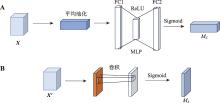
Fig. 1
One-dimensional CBAM algorithm"
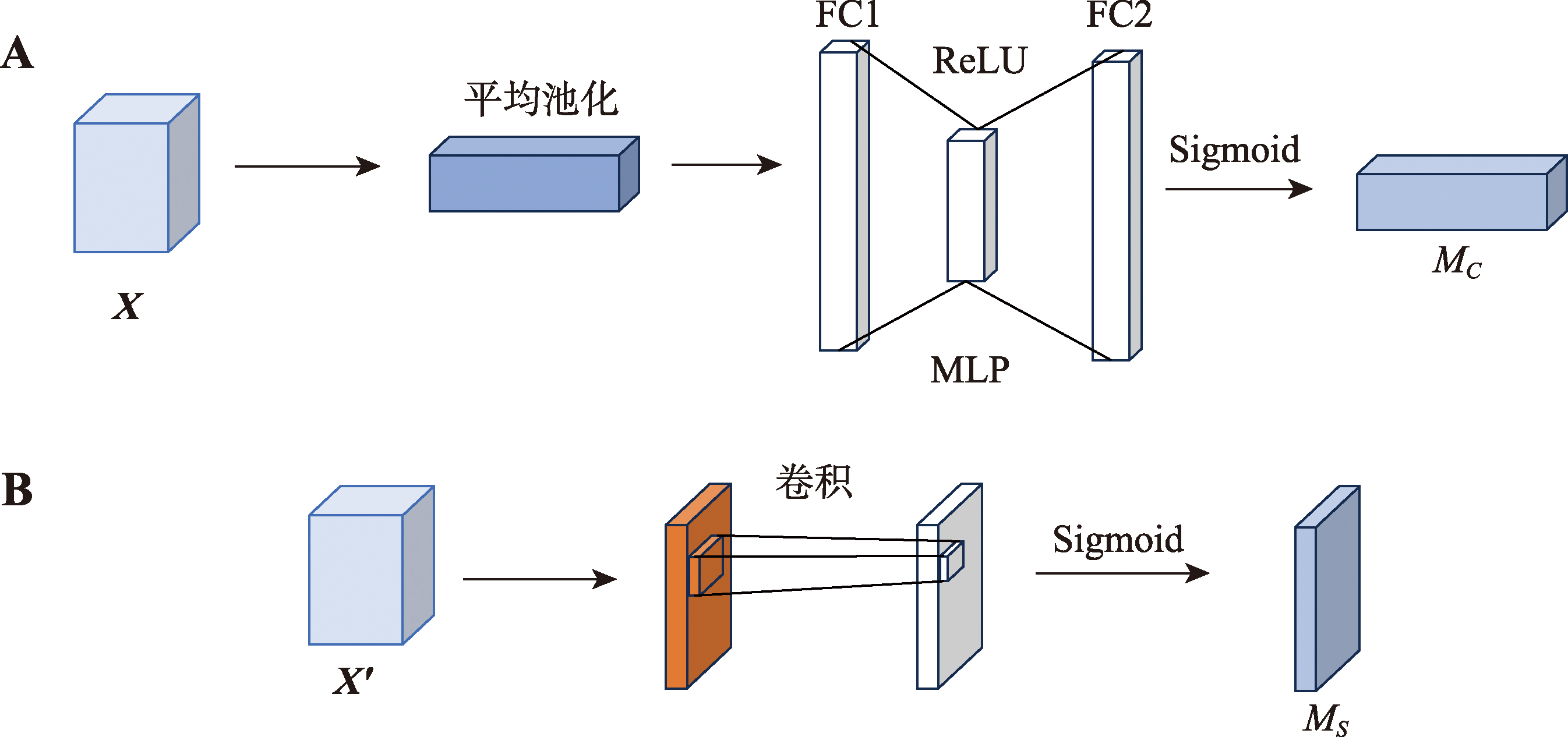
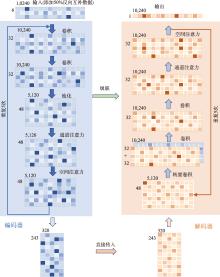
Fig. 2
Model architecture of this study"
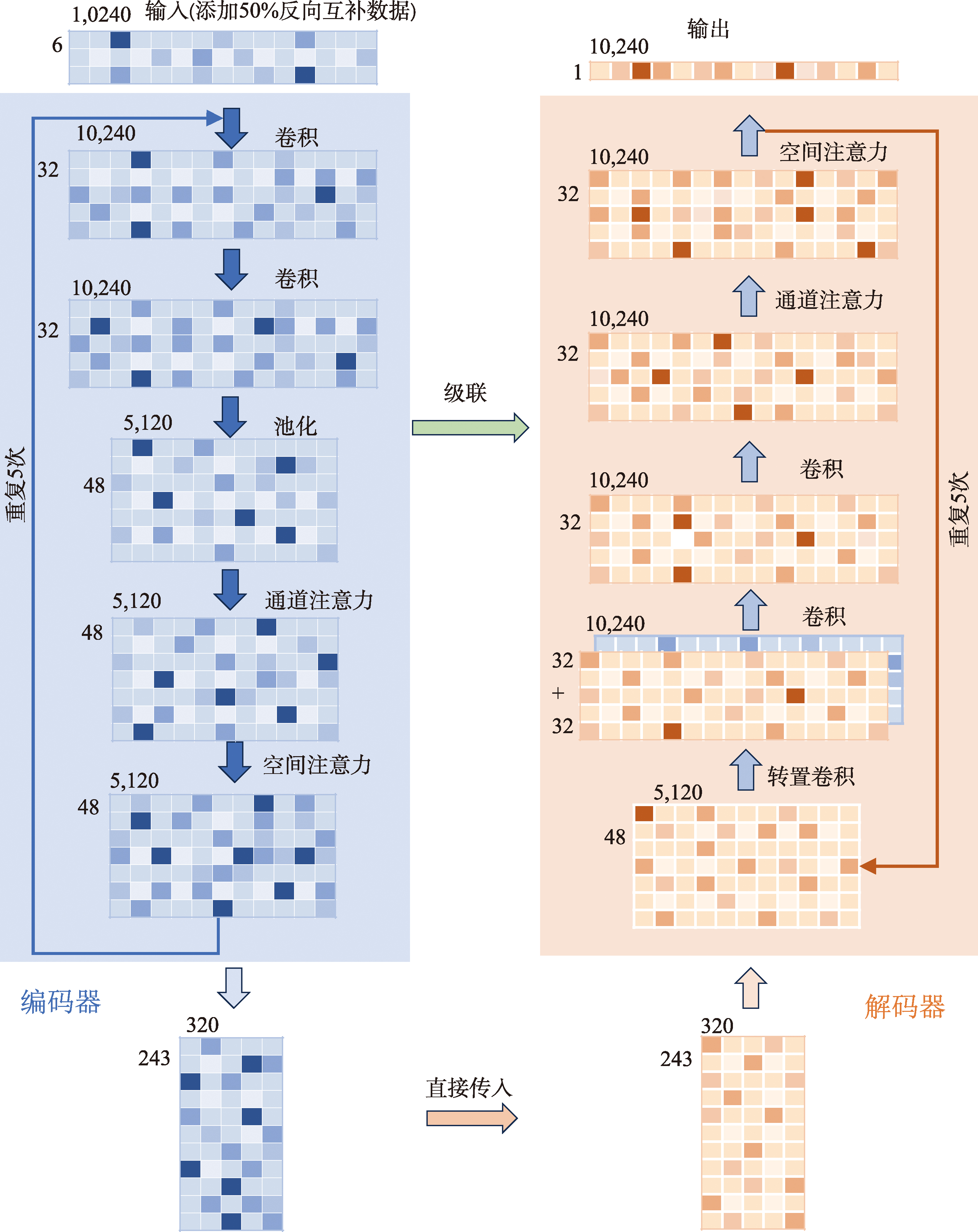
Fig. 3
ROC Curves and AUROC values for each TF-cell type"
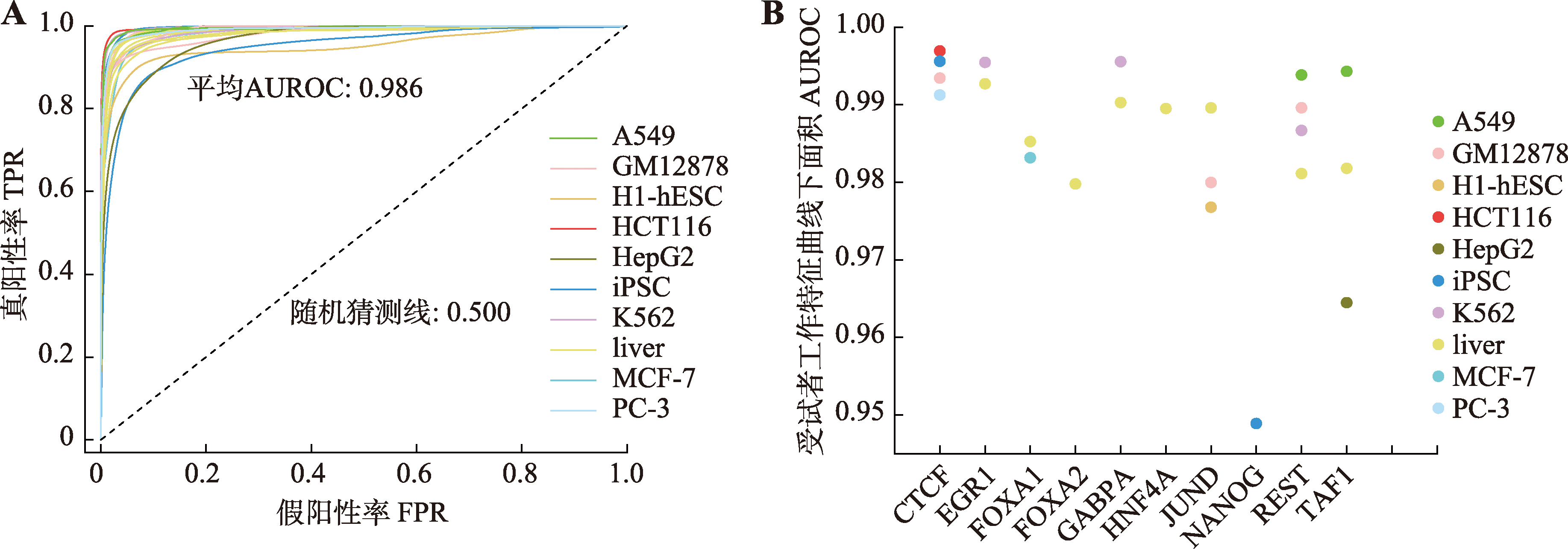
Fig. 4
PR Curves and AUPRC values for each TF-cell type"
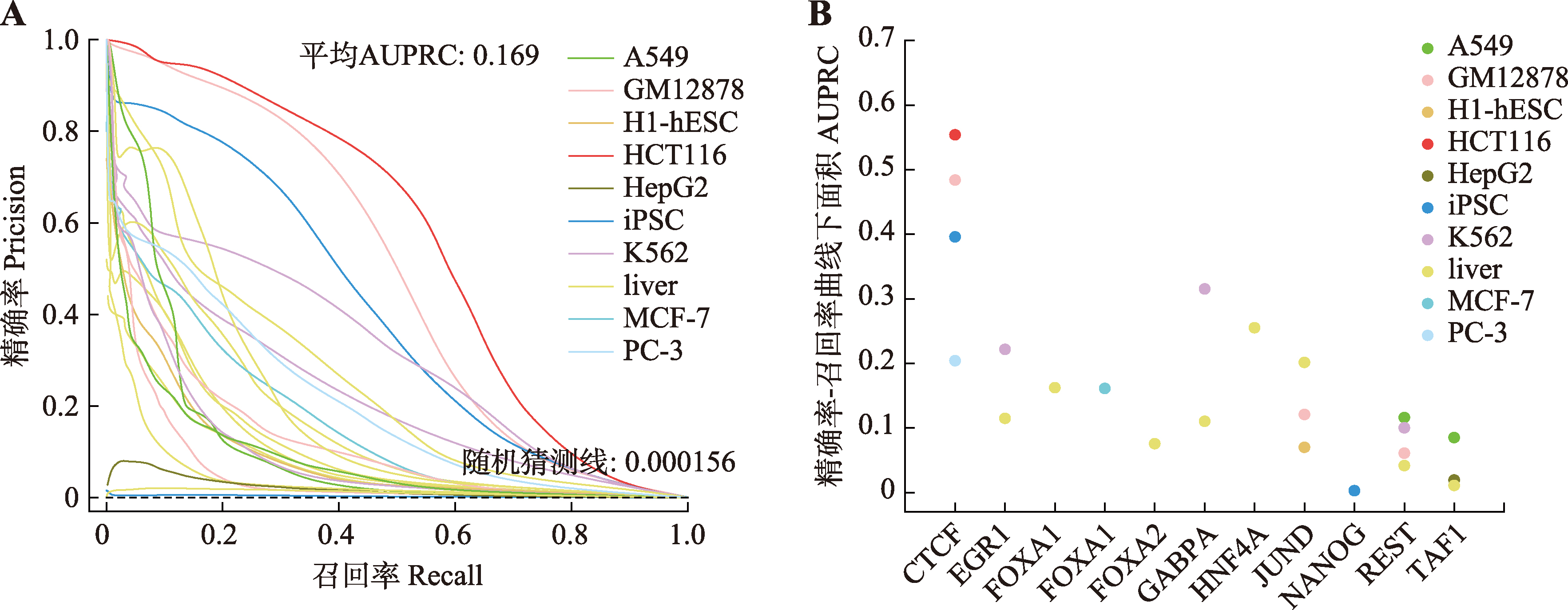
Fig. 5
Visualization of JUND prediction results in liver"
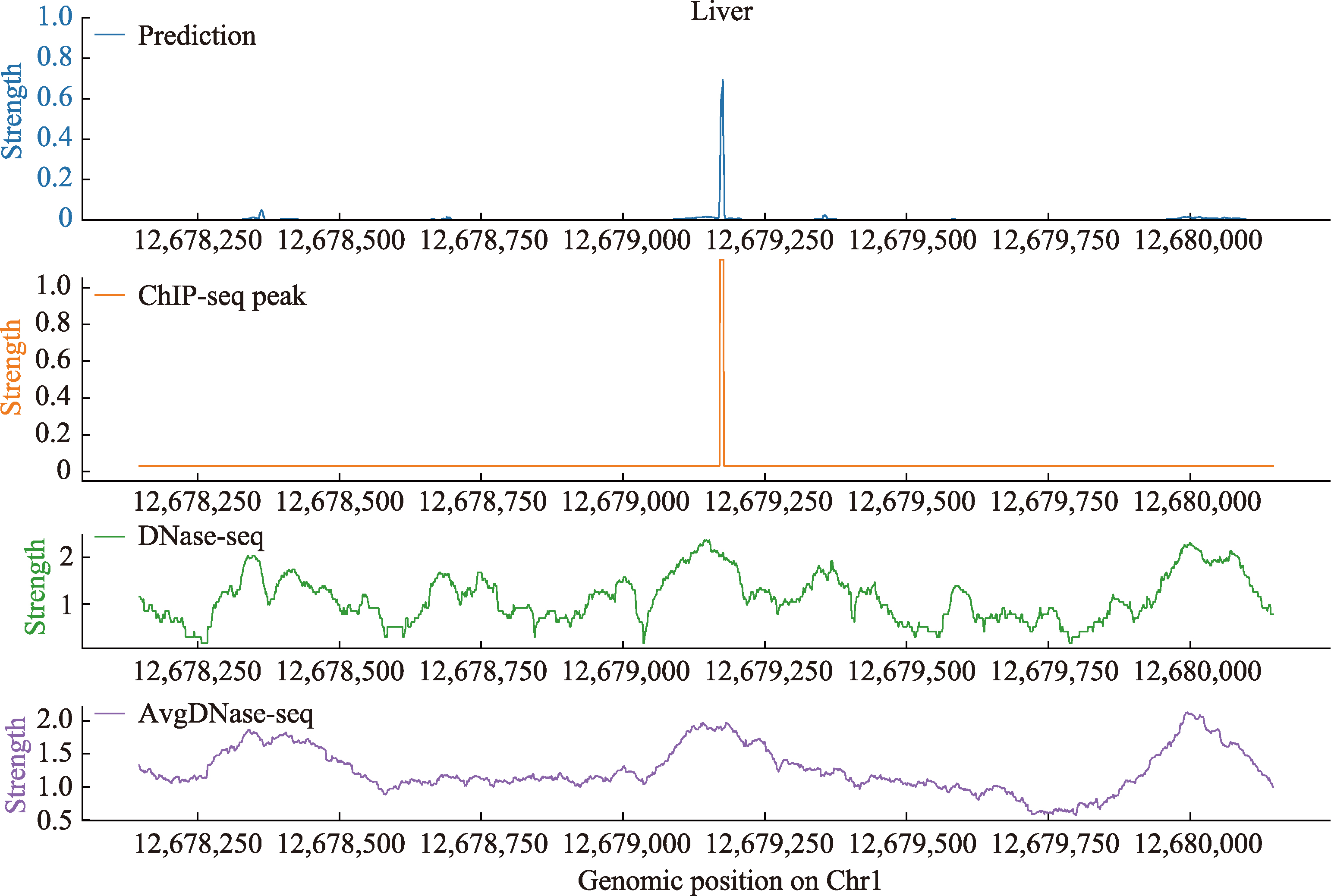
Fig. 6
Visualization of JUND prediction results in GM12878"
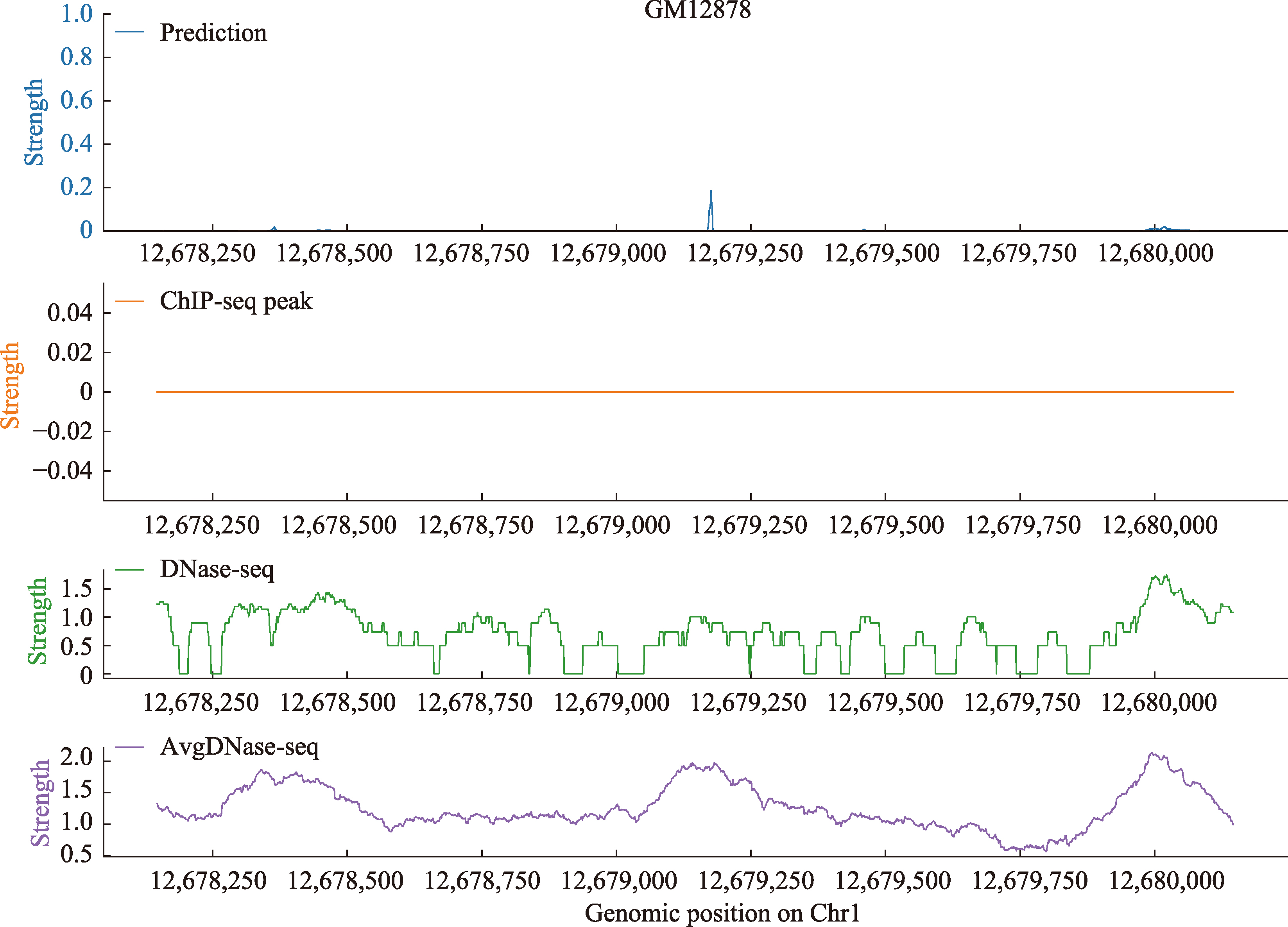
Fig. 7
Comparison of the AUROC with that of Leopard"
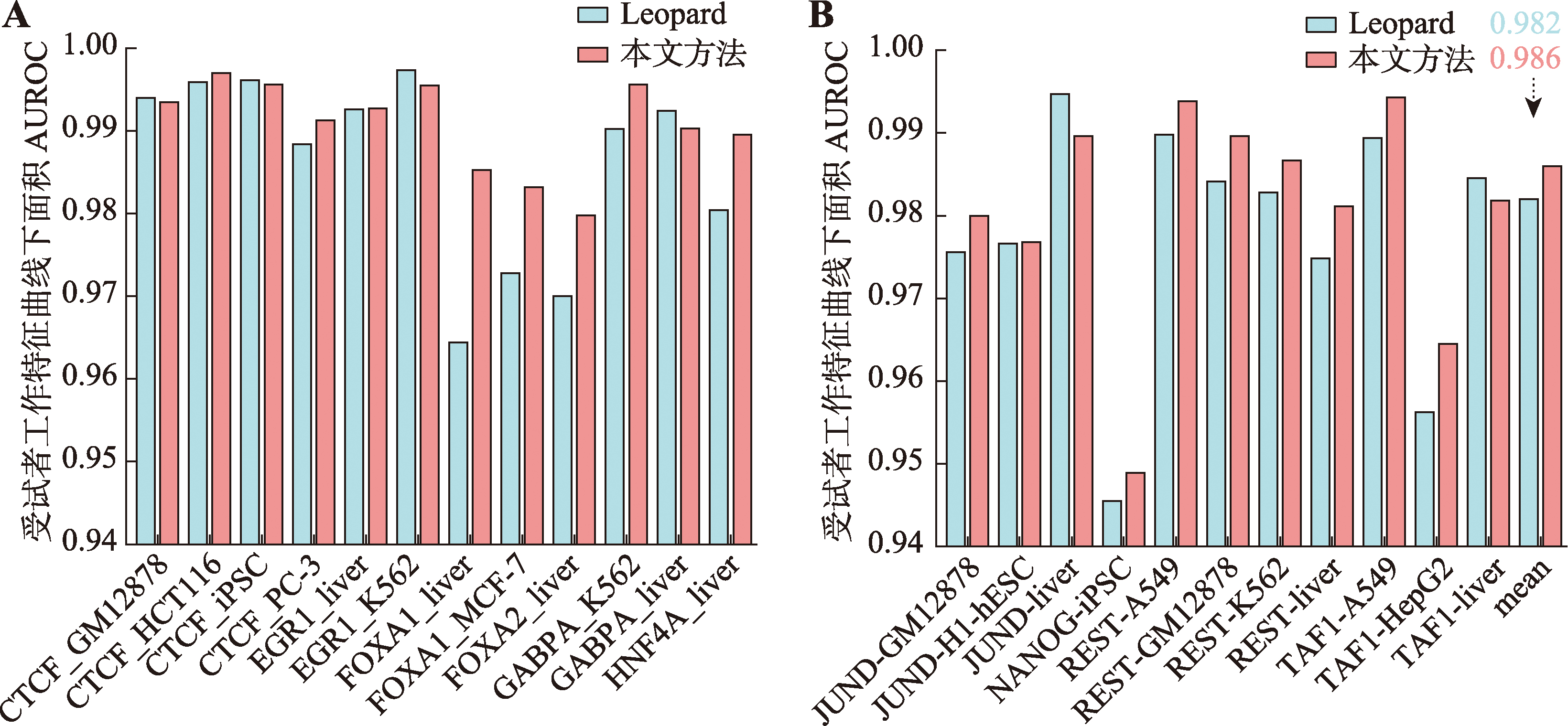
Fig. 8
Comparison of the AUPRC with that of Leopard"
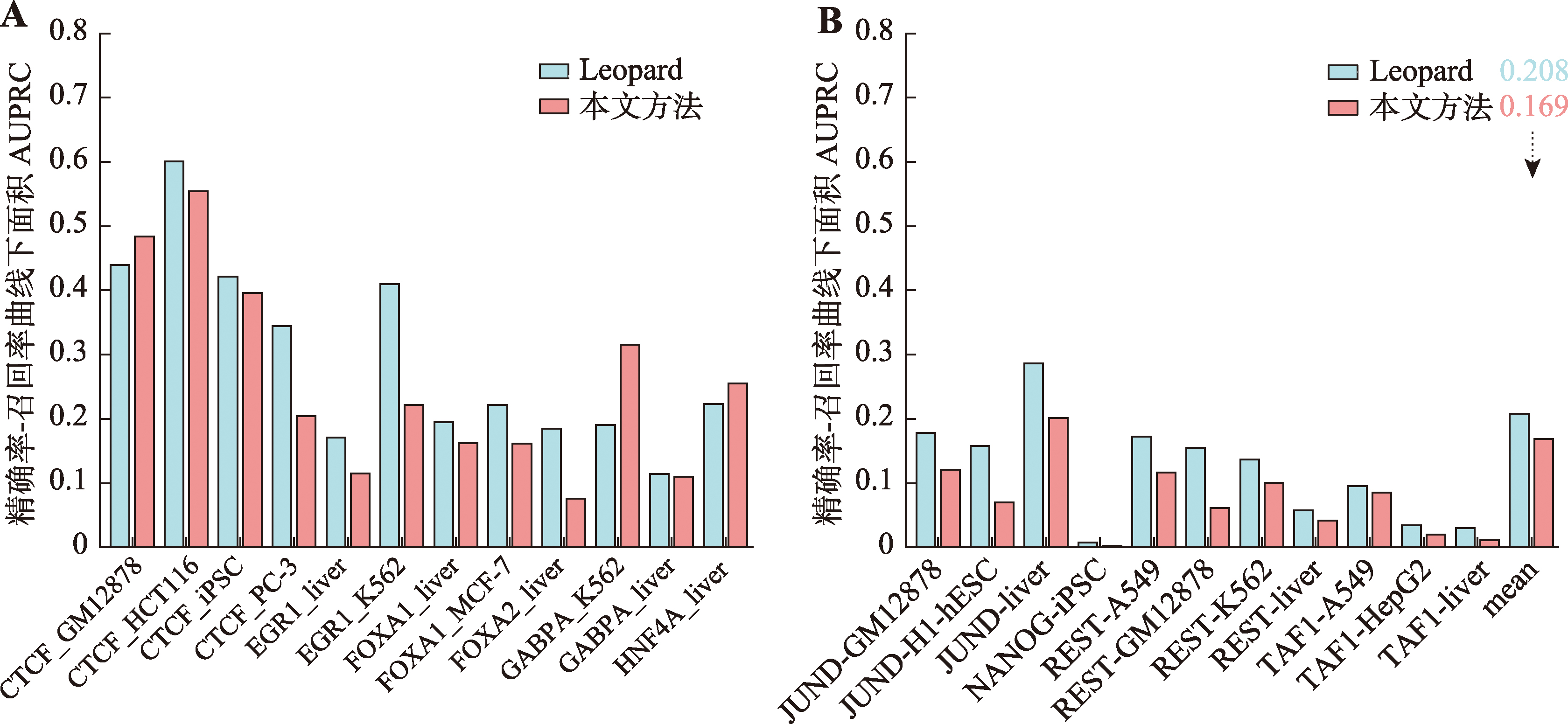
Table 4
Comparison of the prediction time between the method proposed in this study and the "many-to-one" neural network model"
| 研究方法 | Chr1 | Chr8 | Chr21 |
|---|---|---|---|
| 本文方法 | 13.97 min | 7.84 min | 2.78 min |
| “多对一”模型 | 137.06 h | 89.49 h | 29.02 h |
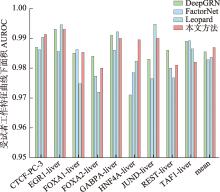
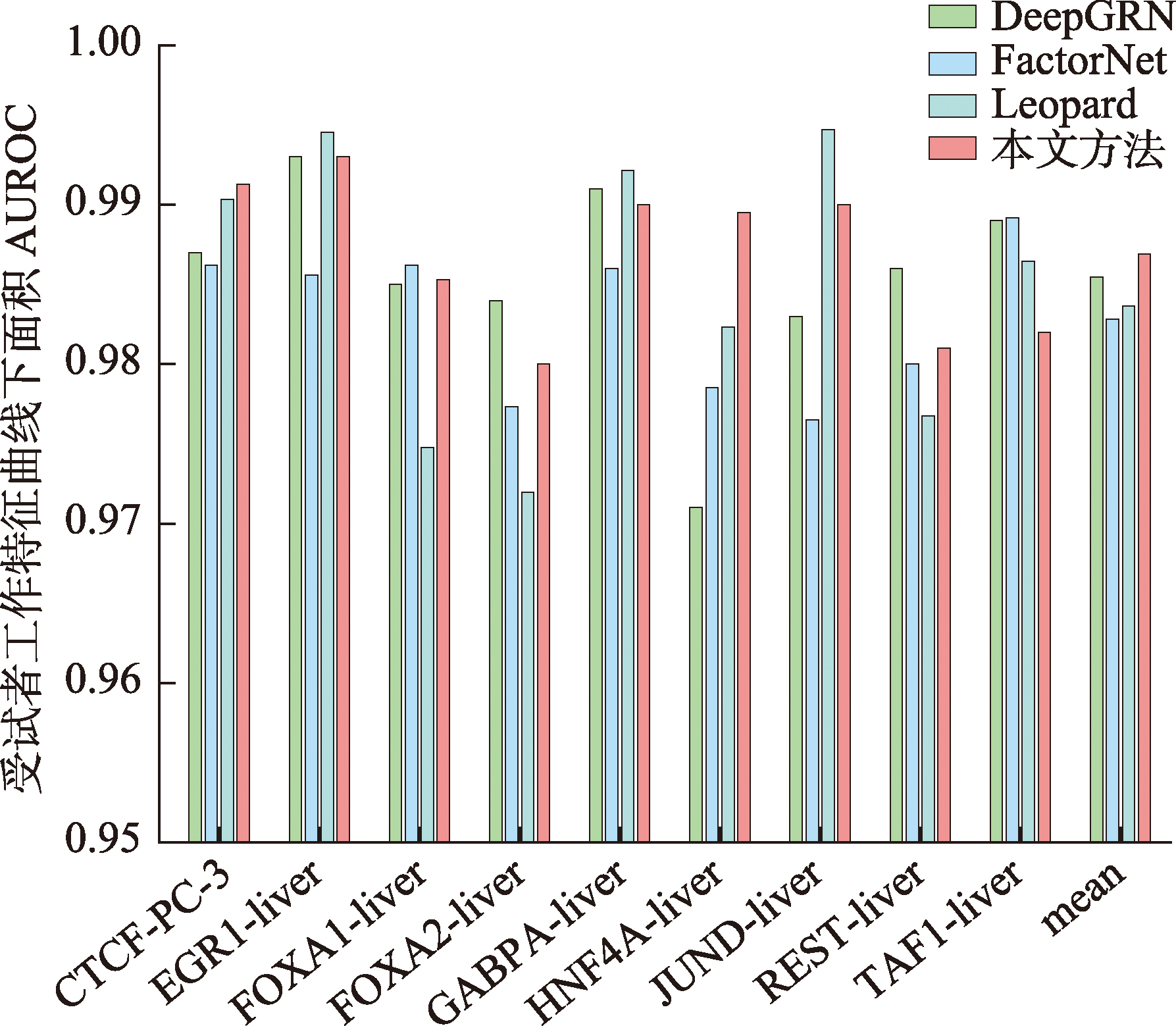
Fig. 9
Comparison of AUROC values among four models"
| [1] | Zhao ZH. Research on prediction of transcription factor binding sites based on deep kernel network[Dissertation]. Beijing Jiaotong University, 2023. |
| 赵子涵. 基于深度核网络的转录因子结合位点预测的研究[学位论文]. 北京交通大学, 2023. | |
| [2] | Jolma A, Yan J, Whitington T, Toivonen J, Nitta KR, Rastas P, Morgunova E, Enge M, Taipale M, Wei GH, Palin K, Vaquerizas JM, Vincentelli R, Luscombe NM, Hughes TR, Lemaire P, Ukkonen E, Kivioja T, Taipale J. DNA-binding specificities of human transcription factors. Cell, 2013, 152(1): 327-339. |
| [3] |
Lambert SA, Jolma A, Campitelli LF, Das PK, Yin YM, Albu M, Chen XT, Taipale J, Hughes TR, Weirauch MT. The human transcription factors. Cell, 2018, 172(4): 650-665.
pmid: 29425488 |
| [4] |
Johnson DS, Mortazavi A, Myers RM, Wold B. Genome- wide mapping of in vivo protein-DNA interactions. Science, 2007, 316(5830): 1497-1502.
pmid: 17540862 |
| [5] |
He QY, Johnston J, Zeitlinger J. ChIP-nexus enables improved detection of in vivo transcription factor binding footprints. Nat Biotechnol, 2015, 33(4): 395-401.
pmid: 25751057 |
| [6] | Zhang ZY, Zhou YP, Meng ZX. The protocol of CUT&Tag for metabolic tissue cells. Hereditas(Beijing), 2022, 44(10): 958-966. |
| 张子寅, 周燕萍, 孟卓贤. CUT&Tag技术在代谢组织细胞的实验操作. 遗传, 2022, 44(10): 958-966. | |
| [7] |
Hesselberth JR, Chen XY, Zhang ZH, Sabo PJ, Sandstrom R, Reynolds AP, Thurman RE, Neph S, Kuehn MS, Noble WS, Fields S, Stamatoyannopoulos JA. Global mapping of protein-DNA interactions in vivo by digital genomic footprinting. Nat Methods, 2009, 6(4): 283-289.
pmid: 19305407 |
| [8] |
Buenrostro JD, Giresi PG, Zaba LC, Chang HY, Greenleaf WJ. Transposition of native chromatin for fast and sensitive epigenomic profiling of open chromatin, DNA- binding proteins and nucleosome position. Nat Methods, 2013, 10(12): 1213-1218.
pmid: 24097267 |
| [9] | Suresh SK. Beginner’s guide to investigating protein: DNA interactions using electrophoretic mobility shift assays (EMSAs). Biochem (Lond), 2024, 46(5): 8-11. |
| [10] |
Hook H, Zhao RW, Bray D, Keenan JL, Siggers T. High- throughput analysis of the cell and DNA site-specific binding of native NF-κB dimers using nuclear extract protein- binding microarrays (nextPBMs). Methods Mol Biol, 2021, 2366: 43-66.
pmid: 34236632 |
| [11] |
Zou J, Huss M, Abid A, Mohammadi P, Torkamani A, Telenti A. A primer on deep learning in genomics. Nat Genet, 2019, 51(1): 12-18.
pmid: 30478442 |
| [12] |
Ghandi M, Lee D, Mohammad-Noori M, Beer MA. Enhanced regulatory sequence prediction using gapped k-mer features. PLoS Comput Biol, 2014, 10(7): e1003711.
pmid: 25033408 |
| [13] |
Pique-Regi R, Degner JF, Pai AA, Gaffney DJ, Gilad Y, Pritchard JK. Accurate inference of transcription factor binding from DNA sequence and chromatin accessibility data. Genome Res, 2011, 21(3): 447-455.
pmid: 21106904 |
| [14] |
Zhou J, Troyanskaya OG. Predicting effects of noncoding variants with deep learning-based sequence model. Nat Methods, 2015, 12(10): 931-934.
pmid: 26301843 |
| [15] |
Alipanahi B, Delong A, Weirauch MT, Frey BJ. Predicting the sequence specificities of DNA- and RNA-binding proteins by deep learning. Nat Biotechnol, 2015, 33(8): 831-838.
pmid: 26213851 |
| [16] |
Quang D, Xie XH. DanQ: a hybrid convolutional and recurrent deep neural network for quantifying the function of DNA sequences. Nucleic Acids Res, 2016, 44(11): e107.
pmid: 27084946 |
| [17] |
Wang M, Tai C, E W, Wei LP. DeFine: deep convolutional neural networks accurately quantify intensities of transcription factor-DNA binding and facilitate evaluation of functional non-coding variants. Nucleic Acids Res, 2018, 46(11): e69.
pmid: 29617928 |
| [18] |
Avsec Ž, Weilert M, Shrikumar A, Krueger S, Alexandari A, Dalal K, Fropf R, McAnany C, Gagneur J, Kundaje A, Zeitlinger J. Base-resolution models of transcription- factor binding reveal soft motif syntax. Nat Genet, 2021, 53(3): 354-366.
pmid: 33603233 |
| [19] |
Li HY, Quang D, Guan YF. Anchor: trans-cell type prediction of transcription factor binding sites. Genome Res, 2019, 29(2): 281-292.
pmid: 30567711 |
| [20] |
Quang D, Xie XH. FactorNet: a deep learning framework for predicting cell type specific transcription factor binding from nucleotide-resolution sequential data. Methods, 2019, 166: 40-47.
pmid: 30922998 |
| [21] |
Li HY, Guan YF. Fast decoding cell type-specific transcription factor binding landscape at single-nucleotide resolution. Genome Res, 2021, 31(4): 721-731.
pmid: 33741685 |
| [22] |
Fu LY, Zhang LH, Dollinger E, Peng QK, Nie Q, Xie XH. Predicting transcription factor binding in single cells through deep learning. Sci Adv, 2020, 6(51): eaba9031.
pmid: 33355120 |
| [23] |
Yang TQ, Henao R. TAMC: a deep-learning approach to predict motif-centric transcriptional factor binding activity based on ATAC-seq profile. PLoS Comput Biol, 2022, 18(9): e1009921.
pmid: 36094959 |
| [24] | Luong MT, Pham H, Manning CD. Effective approaches to attention-based neural machine translation. arXiv preprint arXiv, 2015, 1508.04025. |
| [25] | Wang YQ, Huang ML, Zhao L, Zhu XY. Attention-based LSTM for aspect-level sentiment classification. Proceedings of the 2016 conference on empirical methods in natural language processing, 2016: 606-615. |
| [26] |
Chen C, Hou J, Shi XW, Yang H, Birchler JA, Cheng JL. DeepGRN: prediction of transcription factor binding site across cell-types using attention-based deep neural networks. BMC Bioinformatics, 2021, 22(1): 38.
pmid: 33522898 |
| [27] |
Yao Z, Zhang WJ, Song P, Hu YX, Liu JX. DeepFormer: a hybrid network based on convolutional neural network and flow-attention mechanism for identifying the function of DNA sequences. Brief Bioinform, 2023, 24(2): bbad095.
pmid: 36917472 |
| [28] | Ronneberger O, Fischer P, Brox T. U-net:Convolutional networks for biomedical image segmentation. In: International Conference on Medical Image Computing and Computer-Assisted Intervention. Cham: Springer International Publishing, 2015: 234-241. |
| [29] |
Keilwagen J, Posch S, Grau J. Accurate prediction of cell type-specific transcription factor binding. Genome Biol, 2019, 20(1): 9.
pmid: 30630522 |
| [30] | Hu DD, Zhang ZT, Niu GC. Lane line detection incurporating CBAM mechanism and deformable convolutional network. Journal of Beijing University of Aeronautics and Astronautics, 2024, 50(7): 2150-2160. |
| 胡丹丹, 张忠婷, 牛国臣. 融合CBAM注意力机制与可变形卷积的车道线检测. 北京航空航天大学学报, 2024, 50(7): 2150-2160. | |
| [31] | Johnson OV, Chew XY, Khaw KW, Lee MH. ps-CALR: periodic-shift cosine annealing learning rate for deep neural networks. IEEE Access, 2023, 11: 139171-139186. |
| [32] | Li FF, Wang Y, Gu JH, Zhang YM, Liu FS, Ni ZH. E2F family play important roles in tumorigenesis. Hereditas(Beijing), 2023, 45(7): 580-592. |
| 李飞飞, 王韵, 顾冀海, 张玉明, 柳峰松, 倪志华. E2F家族转录因子在肿瘤发生中的作用. 遗传, 2023, 45(7): 580-592. | |
| [33] |
Fan XD, Zhou J, Jiang XL, Xin MZ, Hou LM. CSAP- UNet: convolution and self-attention paralleling network for medical image segmentation with edge enhancement. Comput Biol Med, 2024, 172: 108265.
pmid: 38461698 |
| [1] | Wenxuan Zhou, Zhenjian Zhao, Dong Chen, Shengdi Cui, Junge Wang, Ziyang Chen, Shixin Yu, Jiamiao Chen, Yaoxi Zhou, Runjie Huang, Guoqing Tang. Genomic prediction of growth trait phenotypes in Large White pigs using a chromosome-encoded multi-head self-attention model [J]. Hereditas(Beijing), 2026, 48(3): 331-340. |
| [2] | Bingxi Gao, Huaxuan Wu, Zhiqiang Du. Enhancing single-cell classification accuracy using image conversion and deep learning [J]. Hereditas(Beijing), 2025, 47(3): 382-392. |
| [3] | Yanchun Bao, Caixia Shi, Chuanqiang Zhang, Mingjuan Gu, Lin Zhu, Zaixia Liu, Le Zhou, Fengying Ma, Risu Na, Wenguang Zhang. Progress on deep learning in genomics [J]. Hereditas(Beijing), 2024, 46(9): 701-715. |
| [4] | Fan Yang, Qiaoling Han, Wendi Zhao, Yue Zhao. EC number prediction of protein sequences based on combination of hierarchical and global features [J]. Hereditas(Beijing), 2024, 46(8): 661-669. |
| [5] | Huiyi Zheng, Huaxuan Wu, Zhiqiang Du. Gut metagenome-derived image augmentation and deep learning improve prediction accuracy of metabolic disease classification [J]. Hereditas(Beijing), 2024, 46(10): 886-896. |
| [6] | Weipeng Hu, Youping Li, Xiuqing Zhang. MHC-I epitope presentation prediction based on transfer learning [J]. Hereditas(Beijing), 2019, 41(11): 1041-1049. |
| Viewed | ||||||
|
Full text |
|
|||||
|
Abstract |
|
|||||

