Hereditas(Beijing) ›› 2026, Vol. 48 ›› Issue (4): 432-439.doi: 10.16288/j.yczz.25-312
• Genetics Teaching • Previous Articles Next Articles
Teaching design of a multi-dimensional aging experiment using the Caenorhabditis elegans model
Lijuan Teng1( ), Jiale Wang1, Hui Wang1, Yueran Xiong2, Yajun Yang2(), Jingyan Zhang1()
- 1
Shanghai Key Laboratory of Metabolic Remodeling and Health ,Institute of Metabolism and Integrative Biology, Fudan University Shanghai 100438, China
2School of Life Sciences ,Fudan University Shanghai 200433, China
-
Received:2025-11-27Revised:2025-12-24Online:2026-02-11Published:2026-02-11 -
Contact:Yajun Yang, Jingyan Zhang E-mail:22210880013@m.fudan.edu.cn;yyj229@263.net;jingyan_zhang@fudan.edu.cn -
Supported by:National Key Research and Development Program of China(2022YFA0806400);National Natural Science Foundation of China(32271215)

Cite this article
Lijuan Teng, Jiale Wang, Hui Wang, Yueran Xiong, Yajun Yang, Jingyan Zhang. Teaching design of a multi-dimensional aging experiment using the Caenorhabditis elegans model[J]. Hereditas(Beijing), 2026, 48(4): 432-439.
share this article
Add to citation manager EndNote|Reference Manager|ProCite|BibTeX|RefWorks
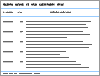
Table 1
Time table for experimental modules"
| 实验模块 | 理论讲解(%) | 实验操作(%) | 数据分析讨论(%) | 总时长(min) |
|---|---|---|---|---|
| 形态观察 | 20 | 65 | 15 | 20 |
| 游泳行为分析 | 20 | 40 | 40 | 20 |
| 显微结构观察 | 20 | 65 | 15 | 20 |
| 肠道通透性检测 | 20 | 65 | 15 | 30 |
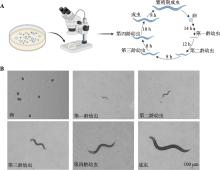
Fig. 1
Microscopy images showing C. elegans at various life stages"
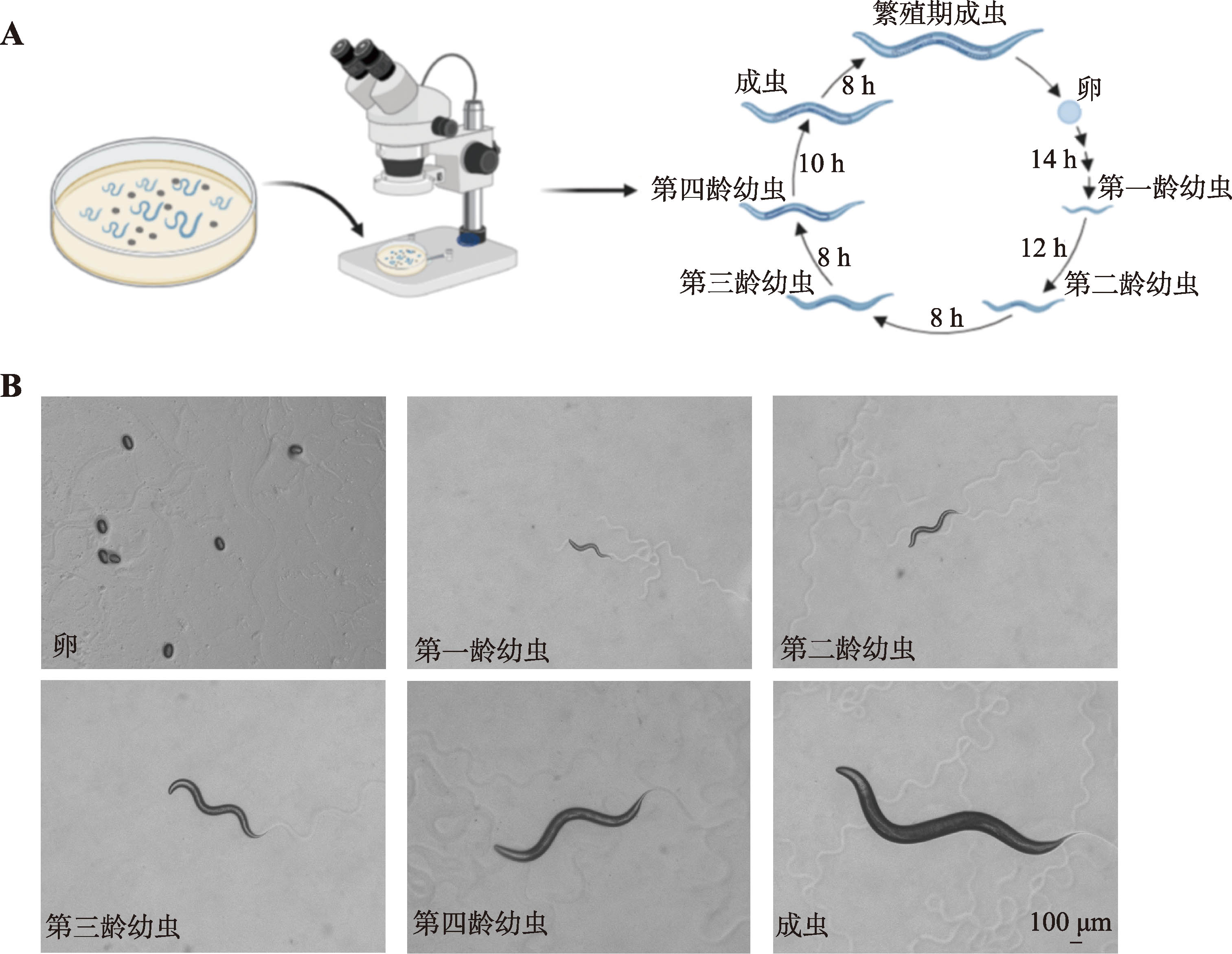
Fig. 2
Swimming behavior of C. elegans"
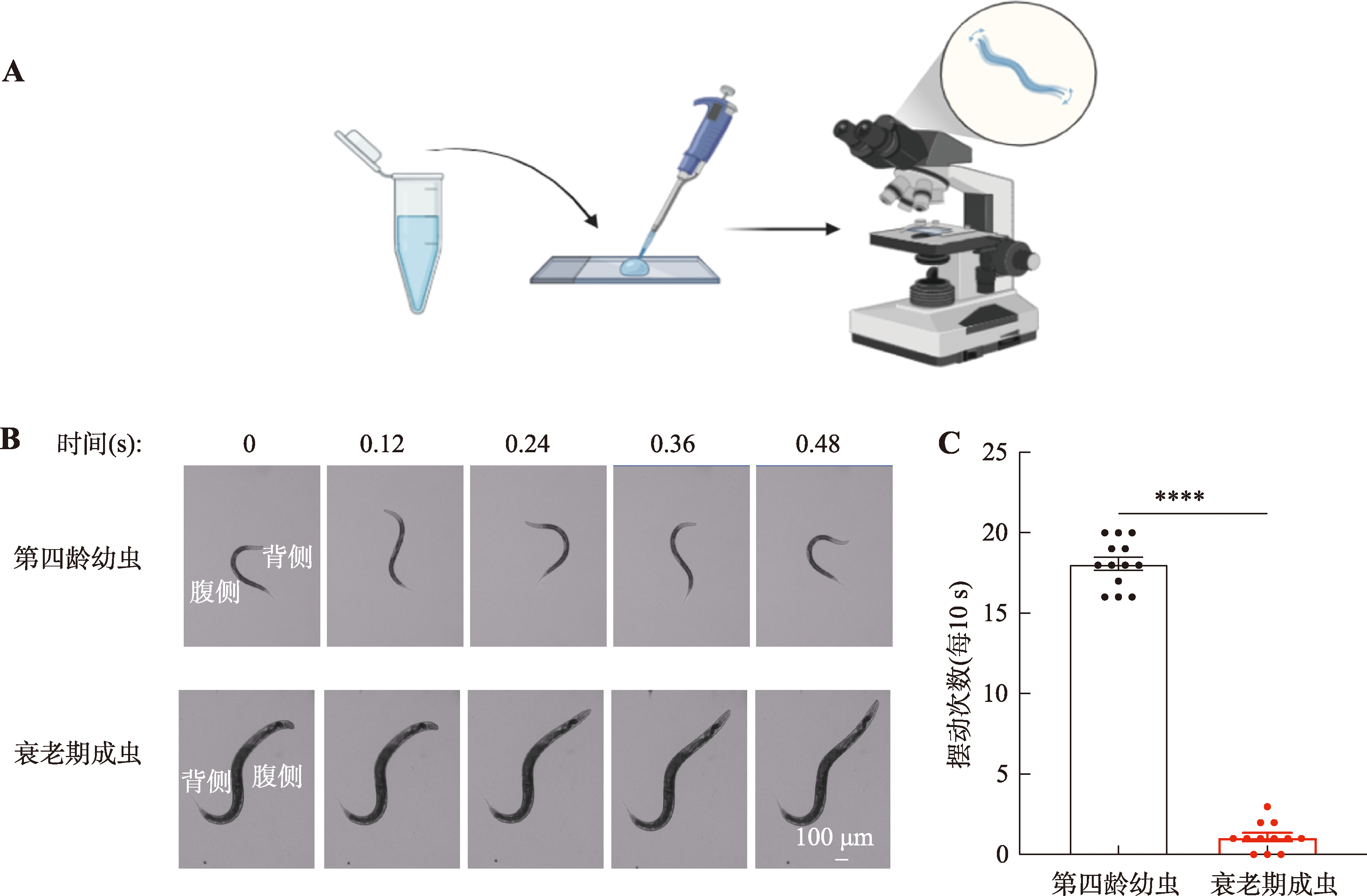
Fig. 3
Morphological observation of C. elegans under differential interference contrast microscopy"
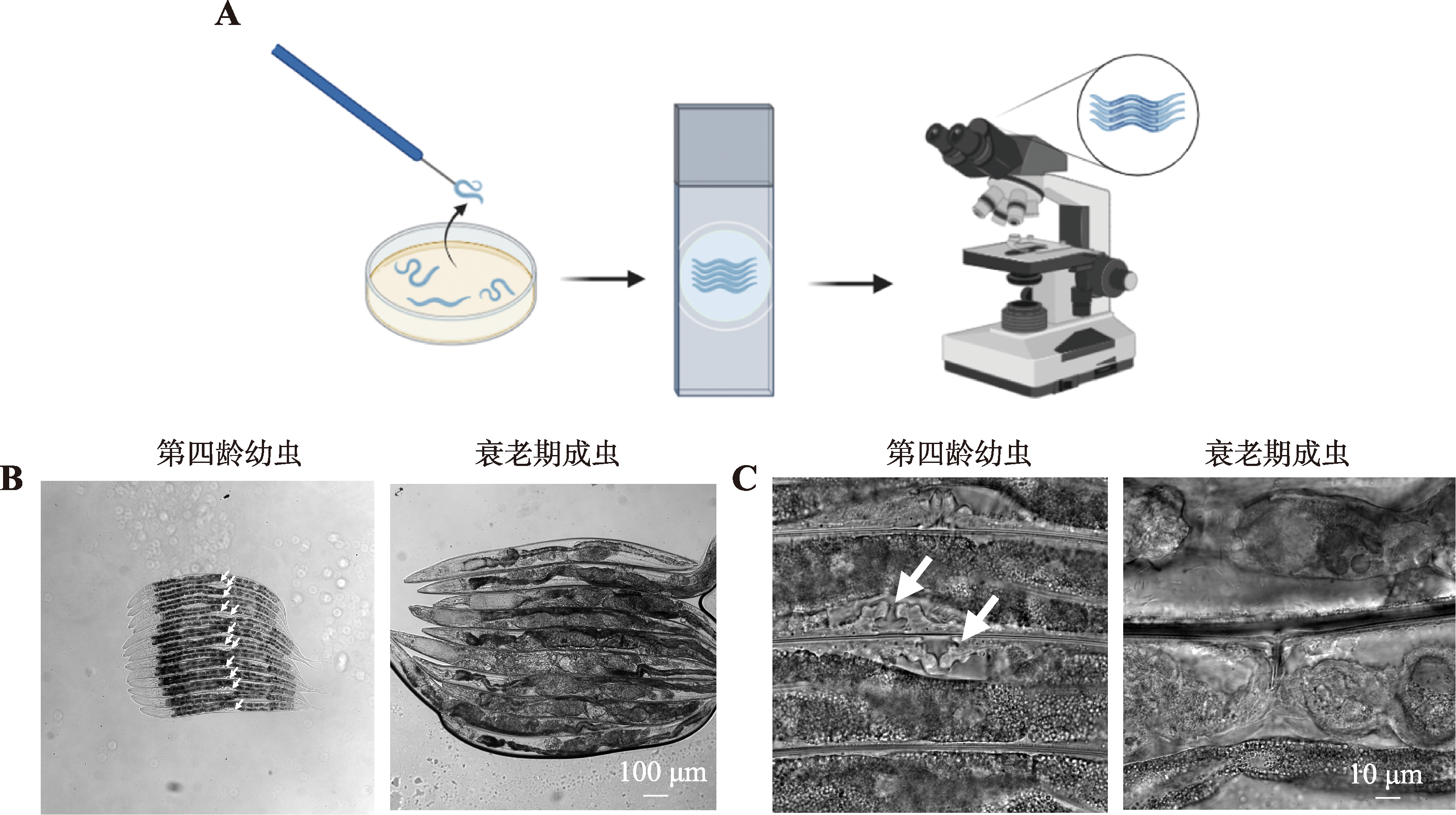
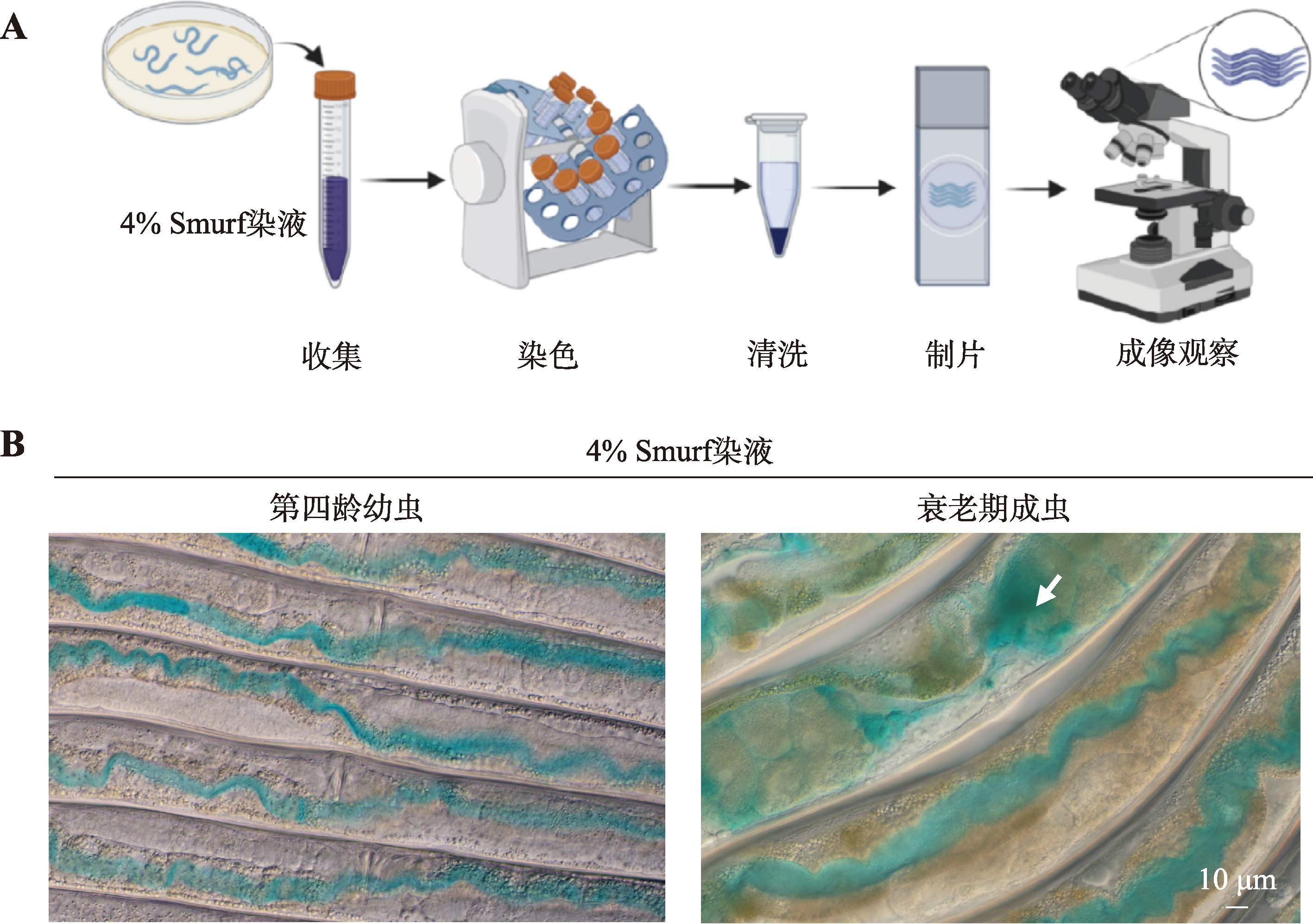
Fig. 4
Intestinal morphology in C. elegans after Smurf staining"
| [1] |
Brenner S. The genetics of Caenorhabditis elegans. Genetics, 1974, 77(1): 71-94.
pmid: 4366476 |
| [2] |
Dougherty EC, Calhoun HG. Possible significance of free-living nematodes in genetic research. Nature, 1948, 161(4079): 29.
pmid: 18900748 |
| [3] |
Lant B, Storey KB. An overview of stress response and hypometabolic strategies in Caenorhabditis elegans: conserved and contrasting signals with the mammalian system. Int J Biol Sci, 2010, 6(1): 9-50.
pmid: 20087441 |
| [4] |
C. elegans sequencing consortium. Genome sequence of the nematode C. elegans: a platform for investigating biology. Science, 1998, 282(5396): 2012-2018.
pmid: 9851916 |
| [5] |
Conradt B, Wu YC, Xue D. Programmed cell death during Caenorhabditis elegans development. Genetics, 2016, 203(4): 1533-1562.
pmid: 27516615 |
| [6] |
Timmons L, Fire A. Specific interference by ingested dsRNA. Nature, 1998, 395(6705): 854.
pmid: 9804418 |
| [7] |
Chalfie M, Tu Y, Euskirchen G, Ward WW, Prasher DC. Green fluorescent protein as a marker for gene expression. Science, 1994, 263(5148): 802-805.
pmid: 8303295 |
| [8] |
Panda M, Fakitsa M, Markaki M, Tavernarakis N. Caenorhabditis elegans as an emerging high throughput chronotherapeutic drug screening platform for human neurodegenerative disorders. Adv Drug Deliv Rev, 2025, 224: 115655.
pmid: 40683385 |
| [9] |
Peterson ND, Pukkila-Worley R. Caenorhabditis elegans in high-throughput screens for anti-infective compounds. Curr Opin Immunol, 2018, 54: 59-65.
pmid: 29935375 |
| [10] |
Liu WW, Lin HL, Mao ZF, Zhang LX, Bao KT, Jiang B, Xia CL, Li WJ, Hu ZL, Li J. Verapamil extends lifespan in Caenorhabditis elegans by inhibiting calcineurin activity and promoting autophagy. Aging (Albany NY), 2020, 12(6): 5300-5317.
pmid: 32208362 |
| [11] |
Bae YK, Sung JY, Kim YN, Kim S, Hong KM, Kim HT, Choi MS, Kwon JY, Shim J. An in vivo C. elegans model system for screening EGFR-inhibiting anti-cancer drugs. PLoS One, 2012, 7(9): e42441.
pmid: 22957020 |
| [12] |
Wang JH, He JT. Swertiamarin decreases lipid accumulation dependent on 3-ketoacyl-CoA thiolase. Biomed Pharmacother, 2019, 112: 108668.
pmid: 30784937 |
| [13] |
Berger LRR, Stamford TCM, Stamford-Arnaud TM, de Alcântara SRC, da Silva AC, da Silva AM, do Nascimento AE, de Campos-Takaki GM. Green conversion of agroindustrial wastes into chitin and chitosan by Rhizopus arrhizus and Cunninghamella elegans strains. Int J Mol Sci, 2014, 15(5): 9082-9102.
pmid: 24853288 |
| [14] |
Tigini V, Prigione V, Donelli I, Anastasi A, Freddi G, Giansanti P, Mangiavillano A, Varese GC. Cunninghamella elegans biomass optimisation for textile wastewater biosorption treatment: an analytical and ecotoxicological approach. Appl Microbiol Biotechnol, 2011, 90(1): 343-352.
pmid: 21127858 |
| [15] |
Holtze S, Gorshkova E, Braude S, Cellerino A, Dammann P, Hildebrandt TB, Hoeflich A, Hoffmann S, Koch P, Tozzini ET, Skulachev M, Skulachev VP, Sahm A. Alternative animal models of aging research. Front Mol Biosci, 2021, 8: 660959.
pmid: 34079817 |
| [16] |
Zhang SW, Li F, Zhou T, Wang GX, Li Z. Caenorhabditis elegans as a useful model for studying aging mutations. Front Endocrinol (Lausanne), 2020, 11: 554994.
pmid: 33123086 |
| [17] |
Schmitt F, Eckert GP. Caenorhabditis elegans as a model for the effects of phytochemicals on mitochondria and aging. Biomolecules, 2022, 12(11): 1550.
pmid: 36358900 |
| [18] |
Shen PY, Yue YR, Park Y. A living model for obesity and aging research: Caenorhabditis elegans. Crit Rev Food Sci Nutr, 2018, 58(5): 741-754.
pmid: 27575804 |
| [19] |
Yen CA, Curran SP. Gene-diet interactions and aging in C. elegans. Exp Gerontol, 2016, 86: 106-112.
pmid: 26924670 |
| [20] |
Poupet C, Chassard C, Nivoliez A, Bornes S. Caenorhabditis elegans, a host to investigate the probiotic properties of beneficial microorganisms. Front Nutr, 2020, 7: 135.
pmid: 33425969 |
| [21] |
Fuke N, Desaka N, Nakazawa Y, Suzuki S, Matsumoto K, Higashimura Y. Cultivation of Prevotella copri in a medium supplemented with tomato juice suppresses the bacteria-induced intestinal permeability in Caenorhabditis elegans. PLoS One, 2025, 20(9): e0331446.
pmid: 40911618 |
| [22] |
Kramer-Drauberg M, Liu JL, Desjardins D, Wang Y, Branicky R, Hekimi S. ROS regulation of RAS and vulva development in Caenorhabditis elegans. PLoS Genet, 2020, 16(6): e1008838.
pmid: 32544191 |
| [23] |
Cutter AD, Morran LT, Phillips PC. Males, outcrossing, and sexual selection in Caenorhabditis nematodes. Genetics, 2019, 213(1): 27-57.
pmid: 31488593 |
| [24] |
Scharf A, Pohl F, Egan BM, Kocsisova Z, Kornfeld K. Reproductive aging in Caenorhabditis elegans: from molecules to ecology. Front Cell Dev Biol, 2021, 9: 718522.
pmid: 34604218 |
| [25] |
Xu Y, Zhang L, Liu Y, Topalidou I, Hassinan C, Ailion M, Zhao ZQ, Wang T, Chen ZB, Bai JH. Dopamine receptor DOP-1 engages a sleep pathway to modulate swimming in C. elegans. iScience, 2021, 24(4): 102247.
pmid: 33796839 |
| [26] |
Zhang JY, Li XH, Olmedo M, Holdorf AD, Shang Y, Artal-Sanz M, Yilmaz LS, Walhout AJM. A delicate balance between bacterial iron and reactive oxygen species supports optimal C. elegans development. Cell Host Microbe, 2019, 26(3): 400-411.e3.
pmid: 31444089 |
| [27] |
Teng LJ, Zhang JY. Microbial lipopolysaccharide regulates host development through insulin/IGF-1 signaling. Int J Mol Sci, 2025, 26(15): 7399.
pmid: 40806528 |
| [28] |
Jeon M, Gardner HF, Miller EA, Deshler J, Rougvie AE. Similarity of the C. elegans developmental timing protein LIN-42 to circadian rhythm proteins. Science, 1999, 286(5442): 1141-1146.
pmid: 10550049 |
| [29] |
Stroustrup N, Anthony WE, Nash ZM, Gowda V, Gomez A, López-Moyado IF, Apfeld J, Fontana W. The temporal scaling of Caenorhabditis elegans ageing. Nature, 2016, 530(7588): 103-107.
pmid: 26814965 |
| [30] |
Koyuncu S, Loureiro R, Lee HJ, Wagle P, Krueger M, Vilchez D. Rewiring of the ubiquitinated proteome determines ageing in C. elegans. Nature, 2021, 596(7871): 285-290.
pmid: 34321666 |
| [31] |
Frakes AE, Metcalf MG, Tronnes SU, Bar-Ziv R, Durieux J, Gildea HK, Kandahari N, Monshietehadi S, Dillin A. Four glial cells regulate ER stress resistance and longevity via neuropeptide signaling in C. elegans. Science, 2020, 367(6476): 436-440.
pmid: 31974253 |
| [32] |
Folick A, Oakley HD, Yu Y, Armstrong EH, Kumari M, Sanor L, Moore DD, Ortlund EA, Zechner R, Wang MC. Aging. Lysosomal signaling molecules regulate longevity in Caenorhabditis elegans. Science, 2015, 347(6217): 83-86.
pmid: 25554789 |
| [33] |
Heintz C, Doktor TK, Lanjuin A, Escoubas C, Zhang Y, Weir HJ, Dutta A, Silva-García CG, Bruun GH, Morantte I, Hoxhaj G, Manning BD, Andresen BS, Mair WB. Splicing factor 1 modulates dietary restriction and TORC1 pathway longevity in C. elegans. Nature, 2017, 541(7635): 102-106.
pmid: 27919065 |
| [1] | Xinran Li, Yanhan Feng, Zhidan Xia. Pathogenesis and risk factors of sarcopenia [J]. Hereditas(Beijing), 2026, 48(1): 26-45. |
| [2] | Linyao Tang, Jingrouzi Wu, Ge Lin. Application of ultrasound and artificial intelligence in the prediction of fetal chromosomal numerical abnormalities [J]. Hereditas(Beijing), 2025, 47(12): 1326-1339. |
| [3] | Yunfei Yang, Yidong Shen. Choroid plexus and its relations with age-related diseases [J]. Hereditas(Beijing), 2024, 46(2): 109-125. |
| [4] | Fangting Zuo, Yaqiang Zhang, Huimin Yang, Yi Yang, Xianjun Chen. Progress on fluorescent RNA and fluorescent RNA-based biosensing technology [J]. Hereditas(Beijing), 2024, 46(2): 92-108. |
| [5] | Shan He, Jian Zhao, Xiaofeng Song. Effects of N6-methyladenosine modification on the function of the female reproductive system [J]. Hereditas(Beijing), 2023, 45(6): 472-487. |
| [6] | Xiaokang Shang, Simeng Zhang, Junjun Ni. Research progress of cathepsin B in brain aging and Alzheimer’s diseases [J]. Hereditas(Beijing), 2023, 45(3): 212-220. |
| [7] | Qian Zhang, Zihao Wang, Ye Tian. Inter-tissue communication of mitochondrial stress in aging [J]. Hereditas(Beijing), 2023, 45(3): 187-197. |
| [8] | Jiali Li, Jin Li, Hu Wang. Age-associated proteostasis collapse [J]. Hereditas(Beijing), 2022, 44(9): 733-744. |
| [9] | Jie Yuan, Shiqing Cai. The regulatory mechanisms of behavioral and cognitive aging [J]. Hereditas(Beijing), 2021, 43(6): 545-570. |
| [10] | Ziyan Liu, Ai Gao. Progress on inflamm-aging in hematologic diseases [J]. Hereditas(Beijing), 2021, 43(12): 1132-1141. |
| [11] | Xuewen Liu, Hongmei Wu, Ying Bai, Qun Zeng, Zemin Cao, Xiushan Wu, Min Tang. Potassium channel Shaker play a protective role against cardiac aging in Drosophila [J]. Hereditas(Beijing), 2021, 43(1): 94-99. |
| [12] | Chuanming Liu,Lijun Ding,Jiayin Li,Jianwu Dai,Haixiang Sun. Advances in the study of ovarian dysfunction with aging [J]. Hereditas(Beijing), 2019, 41(9): 816-826. |
| [13] | Long Lin, Anbing Shi. Endocytic recycling pathways and the regulatory mechanisms [J]. Hereditas(Beijing), 2019, 41(6): 451-468. |
| [14] | Yunfeng Pan, Yanyi Wang, Jingwen Chen, Yimei Fan. Mitochondrial metabolism’s effect on epigenetic change and aging [J]. Hereditas(Beijing), 2019, 41(10): 893-904. |
| [15] | Xiumei Zhang, Jie Gao, Chunhong Chen, Haijun Tu. Progress in the mechanisms of neural modulation of innate immunity in Caenorhabditis elegans [J]. Hereditas(Beijing), 2018, 40(12): 1066-1074. |
| Viewed | ||||||
|
Full text |
|
|||||
|
Abstract |
|
|||||

