
P2X7R/NLRP3通路对自闭症谱系障碍小鼠行为及神经线粒体功能的影响
收稿日期: 2026-06-18
修回日期: 2026-08-02
网络出版日期: 2026-10-09
基金资助
河北省医学科学研究课题(20242140)
Effects of the P2X7R/NLRP3 pathway on behavior and neural mitochondrial function in mice with autism spectrum disorder
Received date: 2026-06-18
Revised date: 2026-08-02
Online published: 2026-10-09
Supported by
Hebei Provincial Medical Science Research Project(20242140)
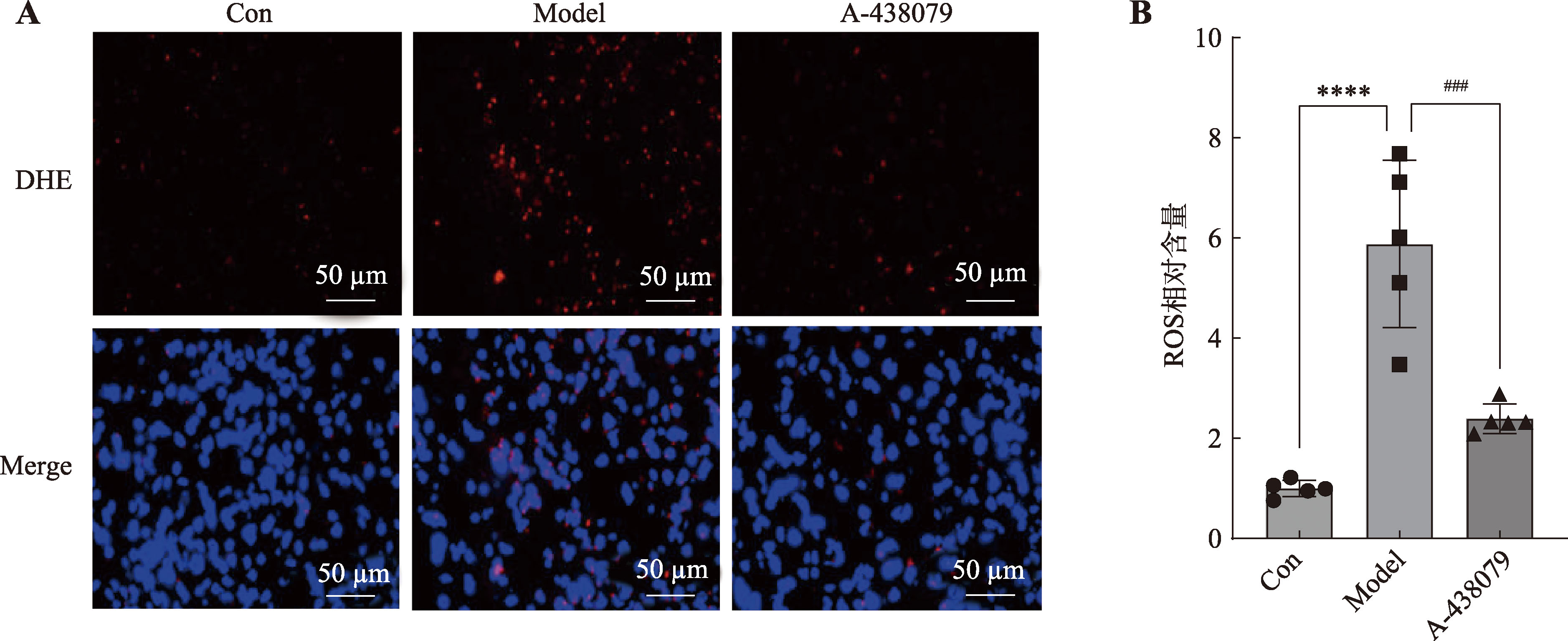
自闭症谱系障碍(autism spectrum disorder,ASD)作为一种严重的神经发育障碍,核心特征表现为社交缺陷与刻板重复行为。近年来,全球范围内ASD患病率呈持续上升趋势,但其具体发病机制尚未明确。神经炎症与线粒体功能障碍被认为是ASD病理进程中的两个关键环节,二者之间可能存在相互加剧的恶性循环。然而,该循环是否由P2X7R/NLRP3信号通路所驱动,以及其在ASD行为表型形成中的具体作用,目前尚缺乏系统验证。本研究以丙戊酸钠诱导的ASD小鼠模型为对象,随机分为对照组、模型组和P2X7R选择性拮抗剂A-438079干预组,通过三箱社交实验、埋珠实验和自我理毛实验评估社交能力、新奇偏好及刻板行为,同时采用Western blot、ELISA检测前额叶皮层中P2X7R、NLRP3、ASC及炎症因子IL-1β、IL-18的表达水平,利用透射电镜观察线粒体超微结构,并测定ATP含量和活性氧(reactive oxygen species,ROS)水平。结果发现,模型组小鼠表现出显著的社交障碍、新奇偏好缺失和刻板行为增加(P<0.01),前额叶皮层中P2X7R/NLRP3通路相关蛋白及炎症因子表达明显上调,线粒体结构受损,ATP含量下降而ROS水平升高(P<0.01);而经A-438079干预后,上述行为缺陷得到显著改善,炎症反应减轻,线粒体结构修复,能量代谢功能恢复,ROS生成减少(P<0.05)。由此表明,P2X7R/NLRP3通路异常激活通过加剧神经炎症并损害线粒体功能,参与了ASD核心行为缺陷的发生与发展;抑制P2X7R可有效打破“炎症-线粒体损伤”恶性循环,提示该受体可能通过NLRP3炎症小体依赖及潜在的非依赖途径发挥调控作用,是连接神经免疫与能量代谢的潜在关键靶点。本研究为ASD的机制研究和干预策略开发提供了新的实验依据。
关键词: 嘌呤能受体P2X配体门控离子通道7; NOD样受体家族含pyrin结构域蛋白3; 自闭症谱系障碍; 行为学; 线粒体
魏向倩 , 李妥 , 曹丽佳 , 郭丽贤 , 李文玲 . P2X7R/NLRP3通路对自闭症谱系障碍小鼠行为及神经线粒体功能的影响[J]. 遗传, 2026 , 48(11) : 1098 -1108 . DOI: 10.16288/j.yczz.26-149
Autism spectrum disorder (ASD) is a severe neurodevelopmental disorder characterized by social deficits and repetitive, stereotyped behaviors. In recent years, its global prevalence has continued to rise, but its pathogenesis remains unclear. Neuroinflammation and mitochondrial dysfunction are considered two key components in the pathological process of ASD, and a vicious cycle may exist between them. However, whether this cycle is driven by the P2X7R/NLRP3 signaling pathway and what specific role it plays in the development of ASD behavioral phenotypes remain to be systematically validated. In this study, a sodium valproate-induced ASD mouse model was used, and the mice were randomly divided into a control group, a model group, and an intervention group treated with the P2X7R-selective antagonist A-438079. Social skills, novelty preferences, and stereotyped behaviors were assessed using the three-box social test, bead embedding test, and self-grooming test. The expression levels of P2X7R, NLRP3, ASC, and inflammatory factors IL-1β and IL-18 in the prefrontal cortex were detected by Western blot and ELISA. Mitochondrial ultrastructure was observed using transmission electron microscopy, and the ATP levels and reactive oxygen species (ROS) levels were measured. The results showed that the model group mice exhibited significant social impairment, loss of novelty preference, and increased stereotyped behaviors (P<0.01). The expression of P2X7R/NLRP3 pathway-related proteins and inflammatory factors in the prefrontal cortex was significantly upregulated, mitochondrial structure was damaged, ATP content decreased, and ROS levels increased (P<0.01). However, after A-438079 intervention, these behavioral deficits were significantly improved, inflammatory responses were reduced, mitochondrial structure was repaired, energy metabolism function was restored, and ROS production decreased (P<0.05). This indicates that abnormal activation of the P2X7R/NLRP3 pathway participates in the occurrence and development of core behavioral deficits in ASD by exacerbating neuroinflammation and impairing mitochondrial function. Inhibition of P2X7R may effectively break the vicious cycle of “inflammation-mitochondrial damage,” suggesting that this receptor may exert its regulatory role through NLRP3 inflammasome-dependent and potentially independent pathways, and is a potential key target connecting neuroimmunity and energy metabolism. This study provides new experimental evidence for the study of the mechanisms of ASD and the development of intervention strategies.
| [1] | Pruitt A, Gupta AR, Hoffman EJ. Molecular and genetic mechanisms in autism spectrum disorder. Ann Neurol, 2025, 98(6): 1163-1177. |
| [2] | Tafolla M, Singer H, Lord C. Autism spectrum disorder across the lifespan. Annu Rev Clin Psychol, 2025, 21(1): 193-220. |
| [3] | Aljead M, Qashta A, Jalal Z, Jones AM. Review of autism spectrum disorder (ASD): Epidemiology, aetiology, pathology, and pharmacological treatment. Pharmaceuticals (Basel), 2025, 18(11): 1644. |
| [4] | Giliberti A, Frisina AM, Giustiniano S, Carbonaro Y, Roccella M, Nardello R. Autism spectrum disorder and epilepsy: pathogenetic mechanisms and therapeutic implications. J Clin Med, 2025, 14(7): 2431. |
| [5] | Zarimeidani F, Rahmati R, Mostafavi M, Darvishi M, Khodadadi S, Mohammadi M, Shamlou F, Bakhtiyari S, Alipourfard I. Gut microbiota and autism spectrum disorder: a neuroinflammatory mediated mechanism of pathogenesis? Inflammation, 2025, 48(2): 501-519. |
| [6] | Akhtar A, Rahaman SKB. The interplay of oxidative stress, mitochondrial dysfunction, and neuroinflammation in autism spectrum disorder: behavioral implications and therapeutic strategies. Brain Sci, 2025, 15(8): 853. |
| [7] | Wang F, Liu ZH, Hu JY, Cheng ZY, Liu SD, Tian WR, Zhang YL, Yang LY, Liu TY, Sun CH, Zou MY. Activation of CB1R alleviates autism spectrum disorder-like behavior and synaptic impairments. Life Sci, 2025, 377: 123797. |
| [8] | Khaliulin I, Hamoudi W, Amal H. The multifaceted role of mitochondria in autism spectrum disorder. Mol Psychiatry, 2025, 30(2): 629-650. |
| [9] | Varia J, Herbert M, Hooker B. The neuroimmunology of autism. Mol Neurobiol, 2025, 63(1): 316. |
| [10] | Timofeeva AV, Akhmetzyanova ER, Rizvanov AA, Mukhamedshina YO. Interaction of microglia with the microenvironment in spinal cord injury. Neuroscience, 2025, 565: 594-603. |
| [11] | Feng HY, Wu TC, Chin JW, Ding R, Long CY, Wang G, Yan DW, Ma XT, Yue RS. Tangzu granule alleviate neuroinflammation in diabetic peripheral neuropathy by suppressing pyroptosis through P2X7R/NLRP3 signaling pathway. J Ethnopharmacol, 2025, 337(Pt 1): 118792. |
| [12] | Zhao YF, Tang Y, Illes P. Astrocytic and oligodendrocytic P2X7 receptors determine neuronal functions in the CNS. Front Mol Neurosci, 2021, 14: 641570. |
| [13] | Mou YJ, Li FM, Lou JT, Tu HY, Zhu Y, Sheng R, Zhang ZL, Zhao YZ, Ji FH, Wu JC, Qin ZH. NADPH acts as an endogenous P2X7 receptor modulator to gate neuroinflammatory responses of microglia. Acta Pharmacol Sin, 2026, 47(1): 69-85. |
| [14] | Santos-García I, Bascuñana P, Brackhan M, Villa M, Eiriz I, Brüning T, Pahnke J. The ABC transporter A7 modulates neuroinflammation via NLRP3 inflammasome in Alzheimer’s disease mice. Alzheimers Res Ther, 2025, 17(1): 30. |
| [15] | Jain R, Vora L, Nathiya D, Khatri DK. Nrf2-Keap1 pathway and NLRP3 inflammasome in Parkinson’s disease: mechanistic crosstalk and therapeutic implications. Mol Neurobiol, 2025, 63(1): 91. |
| [16] | Kovacheva E, Gevezova M, Mehterov N, Kazakova M, Sarafian V. The intersection of mitophagy and autism spectrum disorder: a systematic review. Int J Mol Sci, 2025, 26(5): 2217. |
| [17] | De Oliveira CA, Iorio EL, Espíndola FS. Redox system dysfunction as a key mechanism in autism spectrum disorder pathogenesis. Int J Mol Sci, 2025, 26(20): 9850. |
| [18] | Féron F, Caillol D, Fourel L, Leimkuhler S, Iranzo O, Gepner B, Guiraudie-Capraz G. An impaired glycolysis induces ATP deficiency and reduced cell respiration in stem cells of patients with autism spectrum disorders. Sci Rep, 2025, 15(1): 38353. |
| [19] | Jin GN, Wang Y, Liu YM, Lu YN, Lu JM, Wang JH, Ma JW, Quan YZ, Gao HY, Cui YX, Xu X, Piao LX. Arctiin mitigates neuronal injury by modulating the P2X7R/ NLPR3 inflammasome signaling pathway. Inflammation, 2025, 48(3): 987-1002. |
| [20] | Szabó D, Otrokocsi L, Sperlágh B. The role of maternal infections in neurodevelopmental psychiatric disorders: focus on the P2X7/NLRP3/IL-1β signalling pathway. J Neuroinflammation, 2025, 22(1): 192. |
| [21] | Napolitano A, Schiavi S, La Rosa P, Rossi-Espagnet MC, Petrillo S, Bottino F, Tagliente E, Longo D, Lupi E, Casula L, Valeri G, Piemonte F, Trezza V, Vicari S. Sex differences in autism spectrum disorder: diagnostic, neurobiological, and behavioral features. Front Psychiatry, 2022, 13: 889636. |
| [22] | Kennedy C, Praud N. Comparing hormone therapies in peri- and post-menopausal women with psychosis: a literature review. BJPsych Open, 2025, 11(S1): S328-S329. |
| [23] | Holanda MVF, da Silva Paiva E, de Souza LN, Paiva KM, Oliveira RF, Tavares ÉAF, de Góis Morais PLA, de Andrade AM, Knackfuss MI, do Nascimento EGC, de Paiva Cavalcanti JRL. Neurobiological basis of autism spectrum disorder: mini review. Front Psychol, 2025, 16: 1558081. |
| [24] | Siniscalco D, Schultz S, Brigida AL, Antonucci N. Inflammation and neuro-immune dysregulations in autism spectrum disorders. Pharmaceuticals (Basel), 2018, 11(2): 56. |
| [25] | Zhang K, Ran R, Zhang CJ, Wang LN, Zhang HH. Focus on P2X7R in microglia: its mechanism of action and therapeutic prospects in various neuropathic pain models. Front Pharmacol, 2025, 16: 1555732. |
| [26] | Yang ZQ, Luo YR, Yang ZQ, Liu Z, Li MH, Wu X, Chen LK, Xin WQ. Mitochondrial dynamics dysfunction and neurodevelopmental disorders: from pathological mechanisms to clinical translation. Neural Regen Res, 2026, 21(5): 1926-1946. |
| [27] | Boengiu CA, Barbulescu AL, Dragomirescu CC, Buga AM, Mirea AA. Linking AIM2 inflammasome activation, mitochondrial dysfunction and chronic inflammation in ankylosing spondylitis. Cells, 2025, 14(23): 1923. |
| [28] | Chen MJ, Ning JQ, Liu JX, Luo JS, Yan RY, Yang YX, Li X, Ding LL. Microglial activation mediates Drp1- dependent mitochondrial fission and neuronal apoptosis in a lipopolysaccharide-induced model of cognitive dysfunction. Mol Neurobiol, 2026, 63(1): 680. |
| [29] | Guo J, Kong DX, Luo JC, Xiong T, Wang F, Deng M, Kong Z, Yang S, Da JJ, Chen CF, Lan JH, Chu LZ, Han GQ, Liu J, Tan Y, Zhang JQ. Orexin-A attenuates the inflammatory response in sepsis-associated encephalopathy by modulating oxidative stress and inhibiting the ERK/NF-κB signaling pathway in microglia and astrocytes. CNS Neurosci Ther, 2024, 30(11): e70096. |
| [30] | Hering C, Shetty AK. Extracellular vesicles derived from neural stem cells, astrocytes, and microglia as therapeutics for easing TBI-induced brain dysfunction. Stem Cells Transl Med, 2023, 12(3): 140-153. |
/
| 〈 |
|
〉 |

www.chinagene.cn
备案号:京ICP备09063187号-4
总访问:,今日访问:,当前在线: