Hereditas(Beijing) ›› 2026, Vol. 48 ›› Issue (11): 1066-1084.doi: 10.16288/j.yczz.26-109
• Invited Review • Previous Articles Next Articles
Multi-omics applications in mitochondrial disease research and clinical management
Tianwei Zhou1,2( ), Cheng Ai1,2, Minxin Guan1,2()
- 1 Center for Genetic Medicine, International School of Medicine, Zhejiang University, Yiwu 322000, China
2 Institute of Genetics, Zhejiang University, Hangzhou 310058, China
-
Received:2026-07-03Revised:2026-08-17Online:2026-11-20Published:2026-09-03 -
Contact:Minxin Guan E-mail:22518588@zju.edu.cn;gminxin88@zju.eu.cn -
Supported by:National Natural Science Foundation of China(U25A20134);National Natural Science Foundation of China(32500514)

Cite this article
Tianwei Zhou, Cheng Ai, Minxin Guan. Multi-omics applications in mitochondrial disease research and clinical management[J]. Hereditas(Beijing), 2026, 48(11): 1066-1084.
share this article
Fig. 1
Schematic of the mitochondrial genetic system in eukaryotic cells"
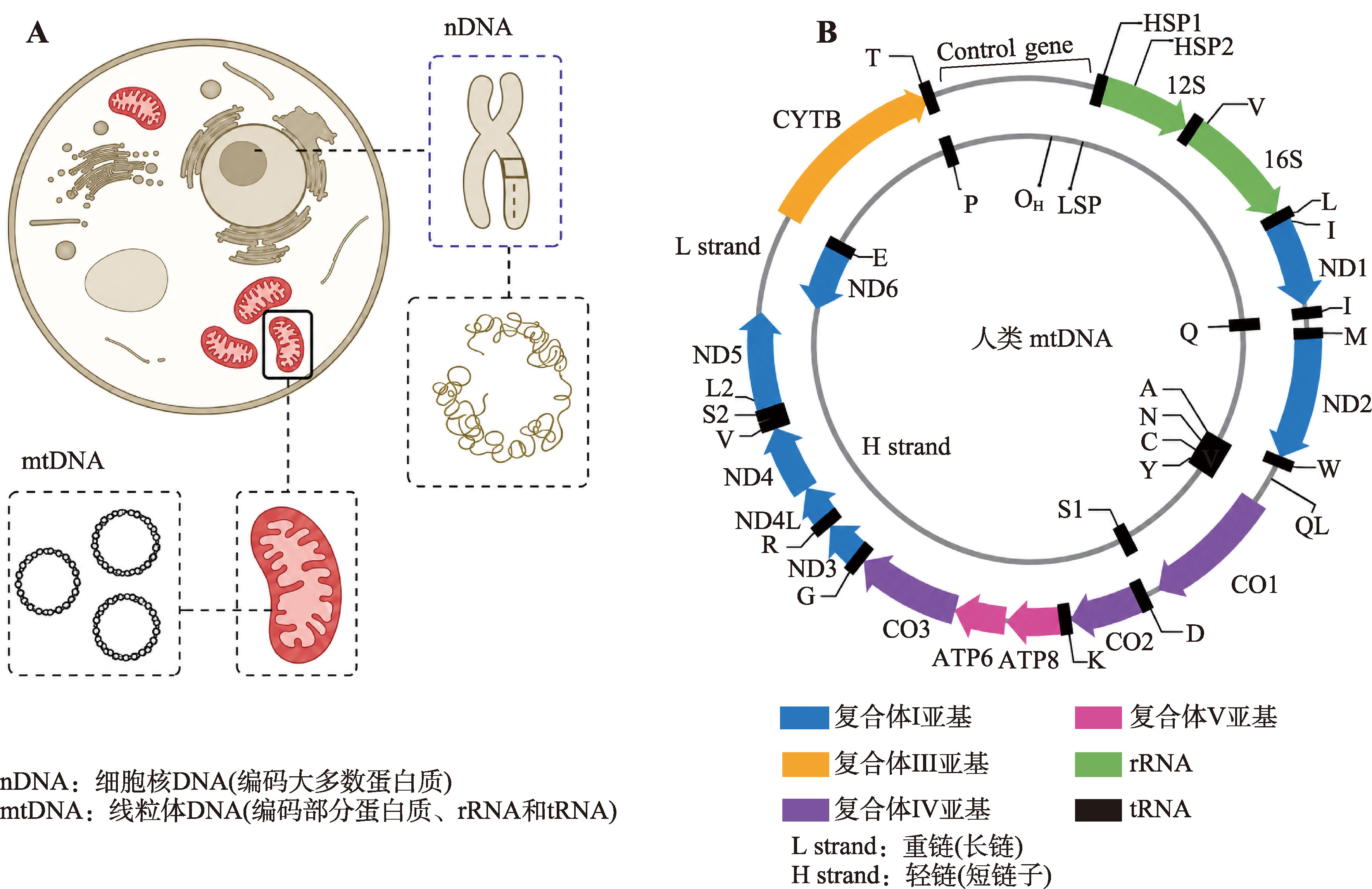
Fig. 2
Typical features of mitochondrial diseases"
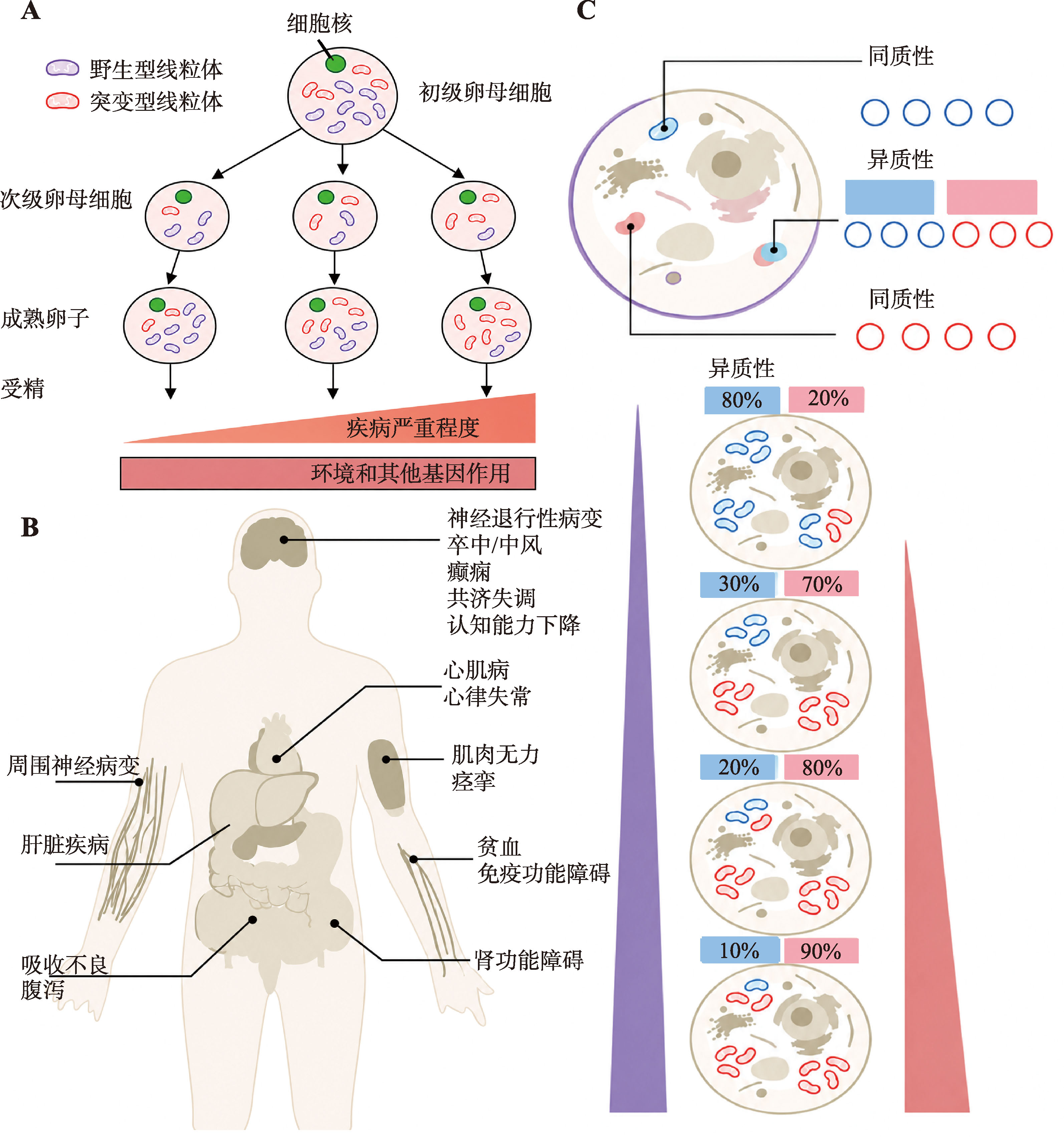
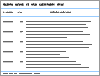
Table 1
Application of multi-omics in mitochondrial diseases"
| 疾病 | 突变基因 | 突变位点 | 受累器官/组织 | mtNA突变状态 | 组学技术 | 参考文献 |
|---|---|---|---|---|---|---|
| Pearson综合征 | mtDNA | 大片段缺失 | 骨髓、外分泌胰腺 | 异质性 | NGS、scRNA-seq | [ |
| Kearns-Sayre 综合征 | mtDNA | 大片段缺失 | 眼外肌、视网膜、心脏、中枢神经系统 | 异质性 | NGS、scRNA-seq、单细胞多组学、代谢组学 | [ |
| MELAS | tRNALeu(UUR) ND5 tRNATrp | m.3243A>G m.13513G>A m.5541C>T | 大脑、骨骼肌 | 异质性 | WES、全线粒体基因组测序、Bulk RNA-seq、scRNA-seq、scATAC-seq、表观转录组学、蛋白质组学、代谢组学 | [ |
| MERRF | tRNALys | m.8344A>G | 大脑、骨骼肌 | 异质性 | WES、WGS | [ |
| Leigh综合征 | ATP6 ND5 | m.8993T>G m.9185T>C m.9154C>T m.13513G>A | 大脑(基底节、脑干) | 异质性 | WES、WGS、RNA-seq、scRNA-seq | [ |
| LHON | ND6 ND4 ND1 ND4/PRICKLE3 ND4/YARS2 | m.14484T>C m.11778G>A m.3460G>A m.11778G> A/c.157C>T m.11778G> A/c.572G>T | 视神经、视网膜神经节细胞 | 同质性 | 全线粒体基因组测序、WES、scRNA-seq、代谢组学 | [ |
| 母系遗传性耳聋 | 12S rRNA/TRMU | m.1555A> G/c.28G>T | 内耳 | 同质性 | WES、Bulk RNA-seq、scRNA-seq | [ |
| [1] |
Chan DC. Mitochondria: dynamic organelles in disease, aging, and development. Cell, 2006, 125(7): 1241-1252.
pmid: 16814712 |
| [2] |
Nunnari J, Suomalainen A. Mitochondria: in sickness and in health. Cell, 2012, 148(6): 1145-1159.
pmid: 22424226 |
| [3] |
Picard M, Shirihai OS. Mitochondrial signal transduction. Cell Metab, 2022, 34(11): 1620-1653.
pmid: 36323233 |
| [4] |
Thorburn DR. Mitochondrial disorders: prevalence, myths and advances. J Inherit Metab Dis, 2004, 27(3): 349-362.
pmid: 15190193 |
| [5] |
Schapira AH. Mitochondrial diseases. Lancet, 2012, 379(9828): 1825-1834.
pmid: 22482939 |
| [6] |
Vafai SB, Mootha VK. Mitochondrial disorders as windows into an ancient organelle. Nature, 2012, 491(7424): 374-383.
pmid: 23151580 |
| [7] |
Taylor RW, Turnbull DM. Mitochondrial DNA mutations in human disease. Nat Rev Genet, 2005, 6(5): 389-402.
pmid: 15861210 |
| [8] |
Viscomi C, Zeviani M. mtDNA-maintenance defects: syndromes and genes. J Inherit Metab Dis, 2017, 40(4): 587-599.
pmid: 28324239 |
| [9] | Tang C, Xu SQ, Li HZ. Current understanding of mitochondrial DNA genetic diseases and gene therapy. Hereditas (Beijing), 2025, 47(12): 1300-1325. |
| 唐成, 徐顺清, 李汉增. 线粒体DNA遗传疾病及基因治疗研究现状. 遗传, 2025, 47(12): 1300-1325. | |
| [10] | Wang XY, Qu HZ, Fang XD. Omics big data and medical artificial intelligence. Hereditas (Beijing), 2021, 43(10): 930-937. |
| 王昕玥, 渠鸿竹, 方向东. 组学大数据和医学人工智能. 遗传, 2021, 43(10): 930-937. | |
| [11] |
Wallace DC. Mitochondrial genetic medicine. Nat Genet, 2018, 50: 1642-1649.
pmid: 30374071 |
| [12] |
Houten SM, Violante S, Ventura FV, Wanders RJA. The biochemistry and physiology of mitochondrial fatty acid β-oxidation and its genetic disorders. Annu Rev Physiol, 2016, 78: 23-44.
pmid: 26474213 |
| [13] |
Hallberg BM, Larsson NG. Making proteins in the powerhouse. Cell Metab, 2014, 20(2): 226-240.
pmid: 25088301 |
| [14] |
Anderson S, Bankier AT, Barrell BG, de Bruijn MH, Coulson AR, Drouin J, Eperon IC, Nierlich DP, Roe BA, Sanger F, Schreier PH, Smith AJ, Staden R, Young IG. Sequence and organization of the human mitochondrial genome. Nature, 1981, 290(5806):457-465.
pmid: 7219534 |
| [15] |
D'Erchia AM, Atlante A, Gadaleta G, Pavesi G, Chiara M, De Virgilio C, Manzari C, Mastropasqua F, Prazzoli GM, Picardi E, Gissi C, Horner D, Reyes A, Sbisà E, Tullo A, Pesole G. Tissue-specific mtDNA abundance from exome data and its correlation with mitochondrial transcription, mass and respiratory activity. Mitochondrion, 2015, 20: 13-21.
pmid: 25446395 |
| [16] |
Wallace DC, Chalkia D. Mitochondrial DNA genetics and the heteroplasmy conundrum in evolution and disease. Cold Spring Harb Perspect Biol, 2013, 5(11): a021220.
pmid: 24186072 |
| [17] |
Florentz C, Sohm B, Tryoen-Toth P, Putz J, Sissler M. Human mitochondrial tRNAs in health and disease. Cell Mol Life Sci, 2003, 60(7): 1356-1375.
pmid: 12943225 |
| [18] |
Alston CL, Rocha MC, Lax NZ, Turnbull DM, Taylor RW. The genetics and pathology of mitochondrial disease. J Pathol, 2017, 241(2): 236-250.
pmid: 27659608 |
| [19] | Chen G, Du WD, Cao HM. Mitochondrial DNA mutations and related human diseases. Hereditas (Beijing), 2007, 29(11): 1299-1308. |
| 陈刚, 杜卫东, 曹慧敏. 线粒体DNA突变与相关人类疾病. 遗传, 2007, 29(11): 1299-1308. | |
| [20] |
Goto Y, Nonaka I, Horai S. A mutation in the tRNA(Leu)(UUR) gene associated with the MELAS subgroup of mitochondrial encephalomyopathies. Nature, 1990, 348(6302): 651-653.
pmid: 2102678 |
| [21] |
Shoffner JM, Lott MT, Lezza AM, Seibel P, Ballinger SW, Wallace DC. Myoclonic epilepsy and ragged-red fiber disease (MERRF) is associated with a mitochondrial DNA tRNA(Lys) mutation. Cell, 1990, 61(6): 931-937.
pmid: 2112427 |
| [22] |
Tatuch Y, Christodoulou J, Feigenbaum A, Clarke JT, Wherret J, Smith C, Rudd N, Petrova-Benedict R, Robinson BH. Heteroplasmic mtDNA mutation (T----G) at 8993 can cause Leigh disease when the percentage of abnormal mtDNA is high. Am J Hum Genet, 1992, 50(4): 852-858.
pmid: 1550128 |
| [23] |
Chiaratti MR, Chinnery PF. Modulating mitochondrial DNA mutations: factors shaping heteroplasmy in the germ line and somatic cells. Pharmacol Res, 2022, 185: 106466.
pmid: 36174964 |
| [24] |
Prezant TR, Agapian JV, Bohlman MC, Bu X, Oztas S, Qiu WQ, Arnos KS, Cortopassi GA, Jaber L, Rotter JI, Shohat M, Fischel-Ghodsian N. Mitochondrial ribosomal RNA mutation associated with both antibiotic-induced and non-syndromic deafness. Nat Genet, 1993, 4(3): 289-294.
pmid: 7689389 |
| [25] |
Zhao H, Li RH, Wang QJ, Yan QF, Deng JH, Han DY, Bai YD, Young WY, Guan MX. Maternally inherited aminoglycoside-induced and nonsyndromic deafness is associated with the novel C1494T mutation in the mitochondrial 12S rRNA gene in a large Chinese family. Am J Hum Genet, 2004, 74(1): 139-152.
pmid: 14681830 |
| [26] |
Zeviani M, Carelli V. Mitochondrial retinopathies. Int J Mol Sci, 2021, 23(1): 210.
pmid: 35008635 |
| [27] |
Yu JL, Liang XY, Ji YC, Ai C, Liu JX, Zhu L, Nie ZP, Jin XF, Wang CH, Zhang JJ, Zhao FX, Mei S, Zhao XX, Zhou XT, Zhang ML, Wang M, Huang TS, Jiang PP, Guan MX. PRICKLE3 linked to ATPase biogenesis manifested Leber’s hereditary optic neuropathy. J Clin Invest, 2020, 130(9): 4935-4946.
pmid: 32516135 |
| [28] |
Ji Y, Meng F, Gao Y, Nie Z, He Y, Zhang J, Li Y, Zhang M, Wang J, Zhang Y, Wei S, Mo JQ, Guan MX. Genetic architecture and inheritance patterns of Leber hereditary optic neuropathy among 419 Chinese pedigrees carrying the ND4 11778G>A mutation. J Genet Genomics, 2026, S1673-8527(26)00272-9.
pmid: 42632451 |
| [29] |
Caporali L, Maresca A, Capristo M, Del Dotto V, Tagliavini F, Valentino ML, La Morgia C, Carelli V. Incomplete penetrance in mitochondrial optic neuropathies. Mitochondrion, 2017, 36: 130-137.
pmid: 28716668 |
| [30] |
Jiang PP, Liang M, Zhang JJ, Gao YL, He ZY, Yu H, Zhao FX, Ji YC, Liu XL, Zhang ML, Fu Q, Tong Y, Sun YH, Zhou XT, Huang TS, Qu J, Guan MX. Prevalence of mitochondrial ND 4 mutations in 1281 Han Chinese subjects with Leber's hereditary optic neuropathy. Invest Ophthalmol Vis Sci, 2015, 56(8): 4778.
pmid: 26218905 |
| [31] |
Guan MX, Yan QF, Li XM, Bykhovskaya Y, Gallo-Teran J, Hajek P, Umeda N, Zhao H, Garrido G, Mengesha E, Suzuki T, del Castillo I, Peters JL, Li RH, Qian YP, Wang XJ, Ballana E, Shohat M, Lu JX, Estivill X, Watanabe K, Fischel‑Ghodsian N. Mutation in TRMU related to transfer RNA modification modulates the phenotypic expression of the deafness-associated mitochondrial 12S ribosomal RNA mutations. Am J Hum Genet, 2006, 79(2): 291-302.
pmid: 16826519 |
| [32] |
Carelli V, Ross-Cisneros FN, Sadun AA. Mitochondrial dysfunction as a cause of optic neuropathies. Prog Retin Eye Res, 2004, 23(1): 53-89.
pmid: 14766317 |
| [33] |
Guan MX. Mitochondrial 12S rRNA mutations associated with aminoglycoside ototoxicity. Mitochondrion, 2011, 11(2): 237-245.
pmid: 21047563 |
| [34] |
Lightowlers RN, Taylor RW, Turnbull DM. Mutations causing mitochondrial disease: what is new and what challenges remain? Science, 2015, 349(6255): 1494-1499.
pmid: 26404827 |
| [35] |
Kremer LS, Bader DM, Mertes C, Kopajtich R, Pichler G, Iuso A, Haack TB, Graf E, Schwarzmayr T, Terrile C, Koňaříková E, Repp B, Kastenmüller G, Adamski J, Lichtner P, Leonhardt C, Funalot B, Donati A, Tiranti V, Lombes A, Jardel C, Gläser D, Taylor RW, Ghezzi D, Mayr JA, Rötig A, Freisinger P, Distelmaier F, Strom TM, Meitinger T, Gagneur J, Prokisch H. Genetic diagnosis of Mendelian disorders via RNA sequencing. Nat Commun, 2017, 8(1): 15824.
pmid: 28604674 |
| [36] |
Kühl I, Miranda M, Atanassov I, Kuznetsova I, Hinze Y, Mourier A, Filipovska A, Larsson NG. Transcriptomic and proteomic landscape of mitochondrial dysfunction reveals secondary coenzyme Q deficiency in mammals. Elife, 2017, 6: e30952.
pmid: 29132502 |
| [37] |
Lareau CA, Ludwig LS, Muus C, Gohil SH, Zhao TT, Chiang Z, Pelka K, Verboon JM, Luo W, Christian E, Rosebrock D, Getz G, Boland GM, Chen F, Buenrostro JD, Hacohen N, Wu CJ, Aryee MJ, Regev A, Sankaran VG. Massively parallel single-cell mitochondrial DNA genotyping and chromatin profiling. Nat Biotechnol, 2021, 39(4): 451-461.
pmid: 32788668 |
| [38] |
Rahman J, Rahman S. Mitochondrial medicine in the omics era. Lancet, 2018, 391(10139): 2560-2574.
pmid: 29903433 |
| [39] |
McCormick EM, Muraresku CC, Falk MJ. Mitochondrial genomics: a complex field now coming of age. Curr Genet Med Rep, 2018, 6(2): 52-61.
pmid: 30386685 |
| [40] |
Muraresku CC, McCormick EM, Falk MJ. Mitochondrial disease: advances in clinical diagnosis, management, therapeutic development, and preventative strategies. Curr Genet Med Rep, 2018, 6(2): 62-72.
pmid: 30393588 |
| [41] |
Riman S, Kiesler KM, Borsuk LA, Vallone PM. Characterization of NIST human mitochondrial DNA SRM-2392 and SRM-2392-I standard reference materials by next generation sequencing. Forensic Sci Int Genet, 2017, 29: 181-192.
pmid: 28460352 |
| [42] |
Zhang W, Cui H, Wong LJC. Comprehensive one-step molecular analyses of mitochondrial genome by massively parallel sequencing. Clin Chem, 2012, 58(9): 1322-1331.
pmid: 22777720 |
| [43] |
Larman TC, DePalma SR, Hadjipanayis AG, Cancer Genome Atlas Research Network, Protopopov A, Zhang JH, Gabriel SB, Chin L, Seidman CE, Kucherlapati R, Seidman JG. Spectrum of somatic mitochondrial mutations in five cancers. Proc Natl Acad Sci USA, 2012, 109(35): 14087-14091.
pmid: 22891333 |
| [44] |
Sun Y, Liu FX, Fan CN, Wang YS, Song LJ, Fang ZH, Han R, Wang ZH, Wang XD, Yang ZY, Xu ZP, Peng JG, Shi CN, Zhang HY, Dong W, Huang H, Li Y, Le YQ, Sun J, Peng ZY. Characterizing sensitivity and coverage of clinical WGS as a diagnostic test for genetic disorders. BMC Med Genomics, 2021, 14(1): 102.
pmid: 33849535 |
| [45] |
Rahman J, Noronha A, Thiele I, Rahman S. Leigh map: a novel computational diagnostic resource for mitochondrial disease. Ann Neurol, 2017, 81(1): 9-16.
pmid: 27977873 |
| [46] |
Vandiver AR, Pielstick B, Gilpatrick T, Hoang AN, Vernon HJ, Wanagat J, Timp W. Long read mitochondrial genome sequencing using Cas9-guided adaptor ligation. Mitochondrion, 2022, 65: 176-183.
pmid: 35787470 |
| [47] |
Frascarelli C, Zanetti N, Nasca A, Izzo R, Lamperti C, Lamantea E, Legati A, Ghezzi D. Nanopore long-read next-generation sequencing for detection of mitochondrial DNA large-scale deletions. Front Genet, 2023, 14: 1089956.
pmid: 37456669 |
| [48] |
Vandiver AR, Hoang AN, Herbst A, Lee CC, Aiken JM, McKenzie D, Teitell MA, Timp W, Wanagat J. Nanopore sequencing identifies a higher frequency and expanded spectrum of mitochondrial DNA deletion mutations in human aging. Aging Cell, 2023, 22(6): e13842.
pmid: 37132288 |
| [49] |
Wang Z, Gerstein M, Snyder M. RNA-Seq: a revolutionary tool for transcriptomics. Nat Rev Genet, 2009, 10(1): 57-63.
pmid: 19015660 |
| [50] |
Wang W, Zhuang QQ, Ji KQ, Wen B, Lin PF, Zhao YY, Li W, Yan CZ. Identification of miRNA, lncRNA and mRNA-associated ceRNA networks and potential biomarker for MELAS with mitochondrial DNA A3243G mutation. Sci Rep, 2017, 7(1): 41639.
pmid: 28139706 |
| [51] |
Smith AC, Robinson AJ. MitoMiner v3.1, an update on the mitochondrial proteomics database. Nucleic Acids Res, 2016, 44(D1): D1258-D1261.
pmid: 26432830 |
| [52] |
Brewis IA, Brennan P. Proteomics technologies for the global identification and quantification of proteins. Adv Protein Chem Struct Biol, 2010, 80: 1-44.
pmid: 21109216 |
| [53] |
Coscia F, Doll S, Bech JM, Schweizer L, Mund A, Lengyel E, Lindebjerg J, Madsen GI, Moreira JM, Mann M. A streamlined mass spectrometry-based proteomics workflow for large-scale FFPE tissue analysis. J Pathol, 2020, 251(1): 100-112.
pmid: 32154592 |
| [54] |
Huttlin EL, Bruckner RJ, Navarrete-Perea J, Cannon JR, Baltier K, Gebreab F, Gygi MP, Thornock A, Zarraga G, Tam S, Szpyt J, Gassaway BM, Panov A, Parzen H, Fu SP, Golbazi A, Maenpaa E, Stricker K, Guha Thakurta S, Zhang T, Rad R, Pan J, Nusinow DP, Paulo JA, Schweppe DK, Vaites LP, Harper JW, Gygi SP. Dual proteome-scale networks reveal cell-specific remodeling of the human interactome. Cell, 2021, 184(11): 3022-3040.e28.
pmid: 33961781 |
| [55] |
Flaherty SE 3rd, Song LJ, Albuquerque B, Rinaldi A, Piper M, Shanthappa DH, Chen X, Stansfield J, Asano S, Pashos E, Ross TT, Jagarlapudi S, Sheikh A, Zhang B, Wu ZD. GDF15 neutralization ameliorates muscle atrophy and exercise intolerance in a mouse model of mitochondrial myopathy. J Cachexia Sarcopenia Muscle, 2025, 16(1): e13715.
pmid: 39976232 |
| [56] |
Ibanez L, Liu MH, Beric A, Timsina J, Kohlfeld P, Bergmann K, Lowery J, Sykora N, Sanchez-Montejo B, Brock W, Budde JP, Bateman RJ, Barthelemy N, Schindler SE, Holtzman DM, Benzinger TLS, Xiong CJ, Tarawneh R, Moulder K, Morris JC, Sung YJ, Cruchaga C. Benchmarking of a multi-biomarker low-volume panel for Alzheimer's disease and related dementia research. Alzheimers Dement, 2025, 21(2): e14413.
pmid: 39575871 |
| [57] |
Eldjarn GH, Ferkingstad E, Lund SH, Helgason H, Magnusson OT, Gunnarsdottir K, Olafsdottir TA, Halldorsson BV, Olason PI, Zink F, Gudjonsson SA, Sveinbjornsson G, Magnusson MI, Helgason A, Oddsson A, Halldorsson GH, Magnusson MK, Saevarsdottir S, Eiriksdottir T, Masson G, Stefansson H, Jonsdottir I, Holm H, Rafnar T, Melsted P, Saemundsdottir J, Norddahl GL, Thorleifsson G, Ulfarsson MO, Gudbjartsson DF, Thorsteinsdottir U, Sulem P, Stefansson K. Large-scale plasma proteomics comparisons through genetics and disease associations. Nature, 2023, 622(7982): 348-358.
pmid: 37794188 |
| [58] |
Zhang AH, Sun H, Yan GL, Wang P, Wang XJ. Mass spectrometry-based metabolomics: applications to biomarker and metabolic pathway research. Biomed Chromatogr, 2016, 30(1): 7-12.
pmid: 25739660 |
| [59] |
Chen L, Zhong FY, Zhu JJ. Bridging targeted and untargeted mass spectrometry-based metabolomics via hybrid approaches. Metabolites, 2020, 10(9): 348.
pmid: 32867165 |
| [60] |
Esterhuizen K, van der Westhuizen FH, Louw R. Metabolomics of mitochondrial disease. Mitochondrion, 2017, 35: 97-110.
pmid: 28576558 |
| [61] |
Sun WF, Dong H, Balaz M, Slyper M, Drokhlyansky E, Colleluori G, Giordano A, Kovanicova Z, Stefanicka P, Balazova L, Ding LG, Husted AS, Rudofsky G, Ukropec J, Cinti S, Schwartz TW, Regev A, Wolfrum C. snRNA-seq reveals a subpopulation of adipocytes that regulates thermogenesis. Nature, 2020, 587(7832): 98-102.
pmid: 33116305 |
| [62] |
Picelli S, Faridani OR, Björklund AK, Winberg G, Sagasser S, Sandberg R. Full-length RNA-seq from single cells using Smart-seq2. Nat Protoc, 2014, 9(1): 171-181.
pmid: 24385147 |
| [63] |
Miller TE, Lareau CA, Verga JA, DePasquale EAK, Liu V, Ssozi D, Sandor K, Yin YJ, Ludwig LS, El Farran CA, Morgan DM, Satpathy AT, Griffin GK, Lane AA, Love JC, Bernstein BE, Sankaran VG, van Galen P. Mitochondrial variant enrichment from high-throughput single-cell RNA sequencing resolves clonal populations. Nat Biotechnol, 2022, 40(7): 1030-1034.
pmid: 35210612 |
| [64] |
Hahaut V, Pavlinic D, Carbone W, Schuierer S, Balmer P, Quinodoz M, Renner M, Roma G, Cowan CS, Picelli S. Fast and highly sensitive full-length single-cell RNA sequencing using FLASH-seq. Nat Biotechnol, 2022, 40(10): 1447-1451.
pmid: 35637419 |
| [65] |
Moncada R, Barkley D, Wagner F, Chiodin M, Devlin JC, Baron M, Hajdu CH, Simeone DM, Yanai I. Integrating microarray-based spatial transcriptomics and single-cell RNA-seq reveals tissue architecture in pancreatic ductal adenocarcinomas. Nat Biotechnol, 2020, 38(3): 333-342.
pmid: 31932730 |
| [66] |
Weng C, Yu FL, Yang D, Poeschla M, Liggett LA, Jones MG, Qiu XJ, Wahlster L, Caulier A, Hussmann JA, Schnell A, Yost KE, Koblan LW, Martin-Rufino JD, Min J, Hammond A, Ssozi D, Bueno R, Mallidi H, Kreso A, Escabi J, Rideout WM 3rd, Jacks T, Hormoz S, van Galen P, Weissman JS, Sankaran VG. Deciphering cell states and genealogies of human haematopoiesis. Nature, 2024, 627(8003): 389-398.
pmid: 38253266 |
| [67] |
Frangieh CJ, Melms JC, Thakore PI, Geiger-Schuller KR, Ho P, Luoma AM, Cleary B, Jerby-Arnon L, Malu S, Cuoco MS, Zhao M, Ager CR, Rogava M, Hovey L, Rotem A, Bernatchez C, Wucherpfennig KW, Johnson BE, Rozenblatt-Rosen O, Schadendorf D, Regev A, Izar B. Multimodal pooled Perturb-CITE-seq screens in patient models define mechanisms of cancer immune evasion. Nat Genet, 2021, 53(3): 332-341.
pmid: 33649592 |
| [68] |
Mimitou EP, Lareau CA, Chen KY, Zorzetto-Fernandes AL, Hao YH, Takeshima Y, Luo W, Huang TS, Yeung BZ, Papalexi E, Thakore PI, Kibayashi T, Wing JB, Hata M, Satija R, Nazor KL, Sakaguchi S, Ludwig LS, Sankaran VG, Regev A, Smibert P. Scalable, multimodal profiling of chromatin accessibility, gene expression and protein levels in single cells. Nat Biotechnol, 2021, 39(10): 1246-1258.
pmid: 34083792 |
| [69] |
Liu YF, Chen XY, Zhang YQ, Liu J. Advancing single-cell proteomics and metabolomics with microfluidic technologies. Analyst, 2019, 144(3): 846-858.
pmid: 30351310 |
| [70] |
Babu M, Snyder M.Multi-omics profiling for health. Mol Cell Proteomics, 2023, 22(6): 100561.
pmid: 37119971 |
| [71] |
Hao YH, Hao S, Andersen-Nissen E, IMauck WM 3rd, Zheng SW, Butler A, Lee MJ, Wilk AJ, Darby C, Zager M, Hoffman P, Stoeckius M, Papalexi E, Mimitou EP, Jain J, Srivastava A, Stuart T, Fleming LM, Yeung B, Rogers AJ, McElrath JM, Blish CA, Gottardo R, Smibert P, Satija R. Integrated analysis of multimodal single-cell data. Cell, 2021, 184(13): 3573-3587.e29.
pmid: 34062119 |
| [72] |
Vandereyken K, Sifrim A, Thienpont B, Voet T. Methods and applications for single-cell and spatial multi-omics. Nat Rev Genet, 2023, 24(8): 494-515.
pmid: 36864178 |
| [73] |
Wang GF, Zhao J, Lin YX, Liu TY, Zhao YZ, Zhao HY. scMODAL: a general deep learning framework for comprehensive single-cell multi-omics data alignment with feature links. Nat Commun, 2025, 16(1): 4994.
pmid: 40442129 |
| [74] |
Maceluch JA, Niedziela M. The clinical diagnosis and molecular genetics of Kearns-Sayre syndrome: a complex mitochondrial encephalomyopathy. Pediatr Endocrinol Rev, 2006, 4(2): 117-137.
pmid: 17342029 |
| [75] |
Zeviani M, Moraes CT, DiMauro S, Nakase H, Bonilla E, Schon EA, Rowland LP. Deletions of mitochondrial DNA in Kearns-Sayre syndrome. Neurology, 1988, 38(9): 1339-1346.
pmid: 3412580 |
| [76] |
Rötig A, Cormier V, Blanche S, Bonnefont JP, Ledeist F, Romero N, Schmitz J, Rustin P, Fischer A, Saudubray JM. Pearson's marrow-pancreas syndrome. A multisystem mitochondrial disorder in infancy. J Clin Invest, 1990, 86(5): 1601-1608.
pmid: 2243133 |
| [77] |
Yoshimi A, Ishikawa K, Niemeyer C, Grünert SC. Pearson syndrome: a multisystem mitochondrial disease with bone marrow failure. Orphanet J Rare Dis, 2022, 17(1): 379.
pmid: 36253820 |
| [78] |
Moraes CT, DiMauro S, Zeviani M, Lombes A, Shanske S, Miranda AF, Nakase H, Bonilla E, Werneck LC, Servidei S, Ricci E, Schon EA. Mitochondrial DNA deletions in progressive external ophthalmoplegia and Kearns-Sayre syndrome. N Engl J Med, 1989, 320(20): 1293-1299.
pmid: 2541333 |
| [79] |
Salvador CL, Oppebøen M, Vassli AØ, Pfeiffer HCV, Varhaug KN, Elgstøen KBP, Yazdani M. Increased sphingomyelin and free sialic acid in cerebrospinal fluid of Kearns-Sayre syndrome: new findings using untargeted metabolomics. Pediatr Neurol, 2023, 143: 68-76.
pmid: 37018879 |
| [80] |
Phillips AF, Millet AR, Tigano M, Dubois SM, Crimmins H, Babin L, Charpentier M, Piganeau M, Brunet E, Sfeir A. Single-molecule analysis of mtDNA replication uncovers the basis of the common deletion. Molecular Cell, 2017, 65(3): 527-538.e6.
pmid: 28111015 |
| [81] |
Persson Ö, Muthukumar Y, Basu S, Jenninger L, Uhler JP, Berglund AK, McFarland R, Taylor RW, Gustafsson CM, Larsson E, Falkenberg M. Copy-choice recombination during mitochondrial L-strand synthesis causes DNA deletions. Nat Commun, 2019, 10(1): 759.
pmid: 30770810 |
| [82] |
Lareau CA, Dubois SM, Buquicchio FA, Hsieh YH, Garg K, Kautz P, Nitsch L, Praktiknjo SD, Maschmeyer P, Verboon JM, Gutierrez JC, Yin YJ, Fiskin E, Luo W, Mimitou EP, Muus C, Malhotra R, Parikh S, Fleming MD, Oevermann L, Schulte J, Eckert C, Kundaje A, Smibert P, Vardhana SA, Satpathy AT, Regev A, Sankaran VG, Agarwal S, Ludwig LS. Single-cell multi-omics of mitochondrial DNA disorders reveals dynamics of purifying selection across human immune cells. Nat Genet, 2023, 55(7): 1198-1209.
pmid: 37386249 |
| [83] |
Fu Y, Land M, Kavlashvili T, Cui RB, Kim M, DeBitetto E, Lieber T, Ryu KW, Choi E, Masilionis I, Saha R, Takizawa M, Baker D, Tigano M, Lareau CA, Reznik E, Sharma R, Chaligne R, Thompson CB, Pe’er D, Sfeir A. Engineering mtDNA deletions by reconstituting end joining in human mitochondria. Cell, 2025, 188(10): 2778-2793.e21.
pmid: 40068680 |
| [84] |
Ruiz-Pesini E, Lott MT, Procaccio V, Poole JC, Brandon MC, Mishmar D, Yi C, Kreuziger J, Baldi P, Wallace DC. An enhanced MITOMAP with a global mtDNA mutational phylogeny. Nucleic Acids Res, 2007, 35( Database issue): D823-D828.
pmid: 17178747 |
| [85] |
El-Hattab AW, Adesina AM, Jones J, Scaglia F. MELAS syndrome: clinical manifestations, pathogenesis, and treatment options. Mol Genet Metab, 2015, 116(1-2): 4-12.
pmid: 26095523 |
| [86] |
Finsterer J, Zarrouk-Mahjoub S. Management of epilepsy in MERRF syndrome. Seizure, 2017, 50: 166-170.
pmid: 28686997 |
| [87] |
Pons R, Andreu AL, Checcarelli N, Vilà MR, Engelstad K, Sue CM, Shungu D, Haggerty R, de Vivo DC, DiMauro S. Mitochondrial DNA abnormalities and autistic spectrum disorders. J Pediatr, 2004, 144(1): 81-85.
pmid: 14722523 |
| [88] |
Van Den Ouweland JM, Lemkes HH, Ruitenbeek W, Sandkuijl LA, De Vijlder MF, Struyvenberg PA, Van De Kamp JJ, Maassen JA. Mutation in mitochondrial tRNA(Leu)(UUR) gene in a large pedigree with maternally transmitted type II diabetes mellitus and deafness. Nat Genet, 1992, 1(5): 368-371.
pmid: 1284550 |
| [89] |
Picard M, Zhang JW, Hancock S, Derbeneva O, Golhar R, Golik P, O’Hearn S, Levy S, Potluri P, Lvova M, Davila A, Lin CS, Perin JC, Rappaport EF, Hakonarson H, Trounce IA, Procaccio V, Wallace DC. Progressive increase in mtDNA 3243A>G heteroplasmy causes abrupt transcriptional reprogramming. Proc Natl Acad Sci USA, 2014, 111(38): E4033-E4042.
pmid: 25192935 |
| [90] |
Chakrabarty S, Govindaraj P, Sankaran BP, Nagappa M, Kabekkodu SP, Jayaram P, Mallya S, Deepha S, Ponmalar JNJ, Arivinda HR, Meena AK, Jha RK, Sinha S, Gayathri N, Taly AB, Thangaraj K, Satyamoorthy K. Contribution of nuclear and mitochondrial gene mutations in mitochondrial encephalopathy, lactic acidosis, and stroke-like episodes (MELAS) syndrome. J Neurol, 2021, 268(6): 2192-2207.
pmid: 33484326 |
| [91] |
Chung CY, Singh K, Kotiadis VN, Valdebenito GE, Ahn JH, Topley E, Tan J, Andrews WD, Bilanges B, Pitceathly RDS, Szabadkai G, Yuneva M, Duchen MR. Constitutive activation of the PI3K-AKT-MTORC1 pathway sustains the m.3243 A>G mtDNA mutation. Nat Commun, 2021, 12(1): 6409.
pmid: 34737295 |
| [92] |
Chung CY, Singh K, Sheshadri P, Valdebenito GE, Chacko AR, Costa Besada MA, Liang XF, Kabir L, Pitceathly RDS, Szabadkai G, Duchen MR. Inhibition of the PI3K-AKT-MTORC1 axis reduces the burden of the m.3243A>G mtDNA mutation by promoting mitophagy and improving mitochondrial function. Autophagy, 2025, 21(4): 881-896.
pmid: 39667405 |
| [93] |
Li HR, Uittenbogaard M, Navarro R, Ahmed M, Gropman A, Chiaramello A, Hao L. Integrated proteomic and metabolomic analyses of the mitochondrial neurodegenerative disease MELAS. Mol Omics, 2022, 18(3): 196-205.
pmid: 34982085 |
| [94] |
Mullin NK, Voigt AP, Flamme-Wiese MJ, Liu XY, Riker MJ, Varzavand K, Stone EM, Tucker BA, Mullins RF. Multimodal single-cell analysis of nonrandom heteroplasmy distribution in human retinal mitochondrial disease. JCI Insight, 2023, 8(14): e165937.
pmid: 37289546 |
| [95] |
Walker MA, Lareau CA, Ludwig LS, Karaa A, Sankaran VG, Regev A, Mootha VK. Purifying selection against pathogenic mitochondrial DNA in human T cells. N Engl J Med, 2020, 383(16): 1556-1563.
pmid: 32786181 |
| [96] |
Nakamura K, Kishita Y, Sugiura A, Ozaki K, Yatsuka Y, Matsumoto N, Okazaki A, Prokisch H, Maruyama K, Iwasa H, Murayama K, Matsumoto H, Ohtake A, Shiraishi Y, Okazaki Y. Identification of intronic variants in NDUFA3 as a cause of Leigh syndrome by whole genome sequencing and RNA sequencing. Neurol Genet, 2026, 12(1): e200330.
pmid: 41404351 |
| [97] |
Lake NJ, Compton AG, Rahman S, Thorburn DR. Leigh syndrome: one disorder, more than 75 monogenic causes. Ann Neurol, 2016, 79(2): 190-203.
pmid: 26506407 |
| [98] |
Shen LS. The path to precision medicine in Leigh syndrome spectrum: a four-decade chronicle of genetic discovery and targeted treatment. Front Biosci (Schol Ed), 2025, 17(4): 45427.
pmid: 41504117 |
| [99] |
Aretini P, Mazzanti CM, La Ferla M, Franceschi S, Lessi F, De Gregorio V, Nesti C, Valetto A, Bertini V, Toschi B, Battini R, Caligo MA. Next generation sequencing technologies for a successful diagnosis in a cold case of Leigh syndrome. BMC Neurol, 2018, 18(1): 99.
pmid: 30029642 |
| [100] |
Wahedi A, Soondram C, Murphy AE, Skene N, Rahman S. Transcriptomic analyses reveal neuronal specificity of Leigh syndrome associated genes. J Inherit Metab Dis, 2023, 46(2): 243-260.
pmid: 36502462 |
| [101] |
Wallace DC, Lott MT. Leber hereditary optic neuropathy: exemplar of an mtDNA disease. Handb Exp Pharmacol, 2017, 240: 339-376.
pmid: 28233183 |
| [102] |
Carelli V, La Morgia C, Yu-Wai-Man P. Mitochondrial optic neuropathies. Handb Clin Neurol, 2023, 194: 23-42.
pmid: 36813316 |
| [103] |
Yen MY, Wang AG, Wei YH. Leber's hereditary optic neuropathy: a multifactorial disease. Prog Retin Eye Res, 2006, 25(4): 381-396.
pmid: 16829155 |
| [104] |
Ji YC, Zhang JJ, Yu JL, Wang Y, Lu YY, Liang M, Li Q, Jin XF, Wei YS, Meng FL, Gao YL, Cang XH, Tong Y, Liu XL, Zhang ML, Jiang PF, Zhu T, Mo JQ, Huang TS, Jiang PP, Guan MX. Contribution of mitochondrial ND 1 3394T>C mutation to the phenotypic manifestation of Leber's hereditary optic neuropathy. Hum Mol Genet, 2019, 28(9): 1515-1529.
pmid: 30597069 |
| [105] |
Ji YC, Zhang JJ, Lu YY, Yi QZ, Chen MQ, Xie SP, Mao XT, Xiao Y, Meng FL, Zhang ML, Yang RL, Guan MX. Complex I mutations synergize to worsen the phenotypic expression of Leber's hereditary optic neuropathy. J Biol Chem, 2020, 295(38): 13224-13238.
pmid: 32723871 |
| [106] |
Peron C, Mauceri R, Cabassi T, Segnali A, Maresca A, Iannielli A, Rizzo A, Sciacca FL, Broccoli V, Carelli V, Tiranti V. Generation of a human iPSC line, FINCBi001-A, carrying a homoplasmic m.G3460A mutation in MT-ND1 associated with Leber’s hereditary optic neuropathy (LHON). Stem Cell Res, 2020, 48: 101939.
pmid: 32771908 |
| [107] |
Ji YC, Liang M, Zhang JJ, Zhu L, Zhang ZJ, Fu RN, Liu XL, Zhang ML, Fu Q, Zhao FX, Tong Y, Sun YH, Jiang PP, Guan MX. Mitochondrial ND1 variants in 1281 Chinese subjects with Leber's hereditary optic neuropathy. Invest Ophthalmol Vis Sci, 2016, 57(6): 2377.
pmid: 27177320 |
| [108] |
Liang M, Jiang PP, Li F, Zhang JJ, Ji YC, He YQ, Xu MF, Zhu JP, Meng XJ, Zhao FX, Tong Y, Liu XL, Sun YH, Zhou XT, Mo JQ, Qu J, Guan MX. Frequency and spectrum of mitochondrial ND6 mutations in 1218 Han Chinese subjects with Leber's hereditary optic neuropathy. Invest Ophthalmol Vis Sci, 2014, 55(3): 1321.
pmid: 24398099 |
| [109] |
Ji YC, Zhang JJ, Liang M, Meng FL, Zhang ML, Mo JQ, Wang M, Guan MX. Mitochondrial tRNA variants in 811 Chinese probands with Leber’s hereditary optic neuropathy. Mitochondrion, 2022, 65: 56-66.
pmid: 35623556 |
| [110] |
Jiang PP, Jin XF, Peng YY, Wang M, Liu H, Liu XL, Zhang ZJ, Ji YC, Zhang JJ, Liang M, Zhao FX, Sun YH, Zhang ML, Zhou XT, Chen Y, Mo JQ, Huang TS, Qu J, Guan MX. The exome sequencing identified the mutation in YARS2 encoding the mitochondrial tyrosyl-tRNA synthetase as a nuclear modifier for the phenotypic manifestation of Leber's hereditary optic neuropathy-associated mitochondrial DNA mutation. Hum Mol Genet, 2016, 25(3): 584-596.
pmid: 26647310 |
| [111] |
Jin XF, Zhang JJ, Yi QZ, Meng FL, Yu JL, Ji YC, Mo JQ, Tong Y, Jiang PP, Guan MX. Leber's hereditary optic neuropathy arising from the synergy between ND1 3635G>A mutation and mitochondrial YARS2 mutations. Invest Ophthalmol Vis Sci, 2021, 62(7): 22.
pmid: 34156427 |
| [112] |
Li HY, Ai C, Jin XF, Wang J, Yu J, Gao YL, Wallace DC, Guan MX. Optic neuropathy arising from the synergy between YARS2 and mitochondrial COX1 mutations. J Genet Genomics, 2026, 53(7): 1266-1282.
pmid: 41666992 |
| [113] |
Jin XF, Zhang ZM, Nie ZP, Wang CH, Meng FL, Yi QZ, Chen MQ, Sun JJ, Zou J, Jiang PP, Guan MX. An animal model for mitochondrial tyrosyl-tRNA synthetase deficiency reveals links between oxidative phosphorylation and retinal function. J Biol Chem, 2021, 296: 100437.
pmid: 33610547 |
| [114] |
Cheng HC, Chi SC, Liang CY, Yu JY, Wang AG. Candidate modifier genes for the penetrance of Leber’s hereditary optic neuropathy. Int J Mol Sci, 2022, 23(19): 11891.
pmid: 36233195 |
| [115] |
Wang CH, Zhang LY, Nie ZP, Liang M, Liu HQ, Yi QZ, Wang CY, Ai C, Zhang JJ, Gao YL, Ji YC, Guan MX. Mutation of CRYAB encoding a conserved mitochondrial chaperone and antiapoptotic protein causes hereditary optic atrophy. JCI Insight, 2025, 10(1): e182209.
pmid: 39561005 |
| [116] |
Stenton SL, Tesarova M, Sheremet NL, Catarino CB, Carelli V, Ciara E, Curry K, Engvall M, Fleming LR, Freisinger P, Iwanicka-Pronicka K, Jurkiewicz E, Klopstock T, Koenig MK, Kolářová H, Kousal B, Krylova T, La Morgia C, Nosková L, Piekutowska- Abramczuk D, Russo SN, Stránecký V, Tóthová I, Träisk F, Prokisch H. DNAJC30 defect: a frequent cause of recessive Leber hereditary optic neuropathy and Leigh syndrome. Brain, 2022, 145(5): 1624-1631.
pmid: 35148383 |
| [117] |
Bocca C, Le Paih V, Chao de la Barca JM, Kouassy Nzoughet J, Amati-Bonneau P, Blanchet O, Védie B, Géromin D, Simard G, Procaccio V, Bonneau D, Lenaers G, Orssaud C, Reynier P. A plasma metabolomic signature of Leber hereditary optic neuropathy showing taurine and nicotinamide deficiencies. Hum Mol Genet, 2021, 30(1): 21-29.
pmid: 33437983 |
| [118] |
Ai C, Li HY, Wang CY, Ji YC, Wallace DC, Qian JB, Zhu YM, Guan MX. Vitamin A treatment restores vision failures arising from Leber’s hereditary optic neuropathy-linked mtDNA mutation. JCI Insight, 2025, 10(8): e188962.
pmid: 40036074 |
| [119] |
Lu JX, Qian YP, Li ZY, Yang AF, Zhu Y, Li RH, Yang L, Tang XW, Chen BB, Ding Y, Li YY, You JY, Zheng J, Tao ZH, Zhao FX, Wang JD, Sun DM, Zhao JY, Meng YZ, Guan MX. Mitochondrial haplotypes may modulate the phenotypic manifestation of the deafness-associated 12S rRNA 1555A>G mutation. Mitochondrion, 2010, 10(1): 69-81.
pmid: 19818876 |
| [120] |
Milon B, Shulman ED, So KS, Cederroth CR, Lipford EL, Sperber M, Sellon JB, Sarlus H, Pregernig G, Shuster B, Song Y, Mitra S, Orvis J, Margulies Z, Ogawa Y, Shults C, Depireux DA, Palermo AT, Canlon B, Burns J, Elkon R, Hertzano R. A cell-type-specific atlas of the inner ear transcriptional response to acoustic trauma. Cell Rep, 2021, 36(13): 109758.
pmid: 34592158 |
| [121] |
Khatami S, Rokni-Zadeh H, Mohsen-Pour N, Biglari A, Changi-Ashtiani M, Shahrooei M, Shahani T. Whole exome sequencing identifies both nuclear and mitochondrial variations in an Iranian family with non-syndromic hearing loss. Mitochondrion, 2019, 46: 321-325.
pmid: 30205178 |
| [122] |
Cui LM, Zheng J, Zhao Q, Chen JR, Liu HQ, Peng GH, Wu Y, Chen C, He QF, Shi HS, Yin SK, Friedman RA, Chen Y, Guan MX. Mutations of MAP1B encoding a microtubule-associated phosphoprotein cause sensorineural hearing loss. JCI Insight, 2020, 5(23): e136046.
pmid: 33268592 |
| [123] |
Raimundo N, Song L, Shutt TE, McKay SE, Cotney J, Guan MX, Gilliland Thomas C, Hohuan D, Santos- Sacchi J, Shadel Gerald S. Mitochondrial stress engages E2F1 apoptotic signaling to cause deafness. Cell, 2012, 148(4): 716-726.
pmid: 22341444 |
| [124] |
Mok BY, de Moraes MH, Zeng J, Bosch DE, Kotrys AV, Raguram A, Hsu F, Radey MC, Peterson SB, Mootha VK, Mougous JD, Liu DR. A bacterial cytidine deaminase toxin enables CRISPR-free mitochondrial base editing. Nature, 2020, 583(7817): 631-637.
pmid: 32641830 |
| [125] |
Zhang XX, Zhang X, Ren JW, Li JY, Wei XX, Yu Y, Yi ZY, Wei WS. Precise modelling of mitochondrial diseases using optimized mitoBEs. Nature, 2025, 639(8055): 735-745.
pmid: 39843744 |
| [1] | Qiaosheng Zhang, Junjie Xu, Zhenyu Sun, Zhaoman Zhong, Jie Liu, Yanli Wu, Wanqin Li, Mengjie Hu, Hongpeng Li. A nonlinear multi-omics data integration and classification model based on pathway self-attention and graph convolutional networks [J]. Hereditas(Beijing), 2026, 48(9): 931-945. |
| [2] | Danqing Huang, Jing Guo, Yan Guo, Tielin Yang. Assessment of biological age for aging evaluation and its clinical applications [J]. Hereditas(Beijing), 2026, 48(7): 690-700. |
| [3] | Dalang Yu, Jianing Yang, Jianwei Zhang, Wanyu Zhang, Haipeng Li. A new era of evolutionary analysis based on a personal computer: the future of multifunctional software such as eGPS [J]. Hereditas(Beijing), 2025, 47(2): 271-285. |
| [4] | Bingqian Zhou, Shangpu Li, Xu Wang, Xiangyu Meng, Jingrong Deng, Jinliang Xing, Jiangang Wang, Kun Xu. Dual-localization signals enhance mitochondrial targeted presentation of engineered proteins [J]. Hereditas(Beijing), 2024, 46(11): 937-946. |
| [5] | Ziyi Zhang, Qilin Wang, Junyou Zhang, Yingying Duan, Jiaxin Liu, Zhaoshuo Liu, Chunyan Li. Machine learning applications in breast cancer survival and therapeutic outcome prediction based on multi-omic analysis [J]. Hereditas(Beijing), 2024, 46(10): 820-832. |
| [6] | Ruijia Song, Lu Han, Haifeng Sun, Bin Shen. Advances in mitochondrial DNA base editing technology [J]. Hereditas(Beijing), 2023, 45(8): 632-642. |
| [7] | Yan Hao, Fumin Lei. Genetic mechanism of adaptive evolution: the example of adaptation to high altitudes [J]. Hereditas(Beijing), 2022, 44(8): 635-654. |
| [8] | Changgui Lei, Xueyuan Jia, Wenjing Sun. Establish six-gene prognostic model for glioblastoma based on multi-omics data of TCGA database [J]. Hereditas(Beijing), 2021, 43(7): 665-679. |
| [9] | Xinyue Wang, Hongzhu Qu, Xiangdong Fang. Omics big data and medical artificial intelligence [J]. Hereditas(Beijing), 2021, 43(10): 930-937. |
| [10] | Jun Zhou, Chengcheng Zhao, Xiao Wu, Junsong Shi, Rong Zhou, Zhenfang Wu, Zicong Li. Transcriptome heterogeneity of porcine ear fibroblast and its potential influence on embryo development in nuclear transplantation [J]. Hereditas(Beijing), 2020, 42(9): 898-915. |
| [11] | Jing Tian, Yuzhe Wang, Shixiong Yan, Shuai Sun, Junjing Jia, Xiaoxiang Hu. Metabolomics technology and its applications in agricultural animal and plant research [J]. Hereditas(Beijing), 2020, 42(5): 452-465. |
| [12] | Qiang Zhang, Mingliang Gu. Single-cell sequencing and its application in breast cancer [J]. Hereditas(Beijing), 2020, 42(3): 250-268. |
| [13] | Zhichao Mei, Zhujun Wei, Jiahui Yu, Fengdan Ji, Linan Xie. Multi-omics association analysis revealed the role and mechanism of epialleles in environmental adaptive evolution of Arabidopsis thaliana [J]. Hereditas(Beijing), 2020, 42(3): 321-331. |
| [14] | Baojun Wu,Zhuo Wang,Yu Dong,Yuliang Deng,Qihui Shi. Identification and single-cell sequencing analysis of rare tumor cells in malignant pleural effusion of lung cancer patients [J]. Hereditas(Beijing), 2019, 41(2): 175-184. |
| [15] | Jiaoyang Tian, Yuchun Li, Qingpeng Kong, Yaping Zhang. The origin and evolution history of East Asian populations from genetic perspectives [J]. Hereditas(Beijing), 2018, 40(10): 814-824. |
| Viewed | ||||||
|
Full text |
|
|||||
|
Abstract |
|
|||||