
遗传 ›› 2026, Vol. 48 ›› Issue (8): 781-795.doi: 10.16288/j.yczz.25-329
苏加芝1,2( ), 朱丽娜3, 陈雪1, 汪旭1,4, 郭锡汉1()
收稿日期:2025-12-20
修回日期:2026-02-25
出版日期:2026-08-20
发布日期:2026-04-29
通讯作者:
郭锡汉,博士,副教授,研究方向:Y染色体丢失的病理生理学效应。E-mail: guo_xihan@163.com作者简介:苏加芝,硕士研究生,专业方向:生物化学与分子生物学。E-mail: 2196676724@qq.com
基金资助:
Jiazhi Su1,2(), Lina Zhu3, Xue Chen1, Xu Wang1,4, Xihan Guo1()
Received:2025-12-20
Revised:2026-02-25
Published:2026-08-20
Online:2026-04-29
Supported by:摘要:
生物学性别是影响疾病发生发展、临床表型及预后的关键因素。除性别特异性肿瘤之外,男性在几乎所有肿瘤中的发病率和死亡率方面均高于女性。然而,人们对肿瘤男性偏好特征背后的遗传学机制仍然缺乏深入认识。Y染色体丢失(loss of Y chromosome, LOY)是正常男性中最常见的体细胞突变,常发生于50岁以上人群。一方面,外周血免疫细胞LOY与肿瘤易感性增加密切相关;另一方面,肿瘤细胞本身也易发生LOY,导致Y染色体连锁抑癌基因和抑癌非编码RNA表达缺失,促进代谢重编程和改变肿瘤免疫等途径重塑肿瘤微环境。此外,LOY还能从肿瘤细胞向肿瘤浸润免疫细胞“传染”,二者协同促进肿瘤的演化。鉴于LOY在肿瘤中的广泛性和对肿瘤恶性演变的重要性,LOY已展现出作为肿瘤早期诊断和分类分期的生物标志物以及精准治疗靶点的潜能。本文从肿瘤细胞LOY、肿瘤浸润免疫细胞LOY以及二者互作的角度综述了LOY驱动肿瘤恶性行为的机制及其在肿瘤精准诊疗中的发展机遇和应用潜力,以期为理解肿瘤性别差异的分子机制提供崭新的视角以及为肿瘤的精准防诊治提供潜在的分子靶点。
苏加芝, 朱丽娜, 陈雪, 汪旭, 郭锡汉. Y染色体丢失驱动肿瘤的分子机制及其在肿瘤精准医学中的应用潜力[J]. 遗传, 2026, 48(8): 781-795.
Jiazhi Su, Lina Zhu, Xue Chen, Xu Wang, Xihan Guo. On the role of Y chromosome loss in malignancies: the driving mechanisms and potentials in precision oncology[J]. Hereditas(Beijing), 2026, 48(8): 781-795.
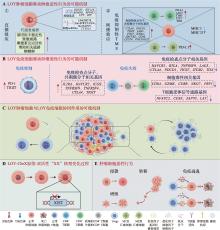
图1
LOY驱动肿瘤细胞恶性行为的分子机制 A:LOY肿瘤细胞驱动肿瘤恶性行为的可能机制。LOY肿瘤细胞通过直接效应和间接效应驱动肿瘤恶性行为。直接效应:ChrY连锁的抑癌基因功能丧失和ChrY连锁的ncRNAs介导的表观遗传调控失效共同促进肿瘤细胞增殖、侵袭和转移(A①右上部分),代谢重编程为肿瘤的演化提供持续的能量供应(A①下侧部分)。间接效应:免疫抑制性TME促进肿瘤的免疫逃逸。一方面,LOY肿瘤细胞通过上调自身免疫检查点分子和共抑制分子相关基因的表达抑制免疫应答(A②左侧部分),通过下调MHC I类和II类分子的表达逃避T细胞的识别(A②右侧部分)。另一方面,LOY通过促进巨噬细胞向免疫抑制型转变来抑制免疫应答(A②下侧部分),通过上调CD8+ T细胞免疫检查点分子(如PD-L1、LAG3和TIM3)、祖T细胞标志物TCF7以及终末耗竭T细胞标志物TOX的表达促进T细胞的耗竭和免疫抑制(A②上侧部分)。B:LOY免疫细胞驱动肿瘤恶性行为的可能机制。免疫抑制:LOY Tregs上调免疫检查点分子(如PD-1和TIGIT)的表达(B左侧部分)。免疫失效:LOY CD4+ T细胞上调免疫检查点分子和共刺激分子相关基因的表达,LOY CD8+ T细胞下调免疫检查点分子相关基因、细胞毒性相关基因以及T细胞受体信号通路基因的表达(B右侧部分)。C:LOY肿瘤细胞与LOY免疫细胞协同作用的可能机制。“优先吸引”模型(C右侧部分):LOY肿瘤细胞表达特异性趋化因子、细胞因子或粘附因子,优先吸引LOY免疫细胞,导致在TME小范围内,LOY免疫细胞所占比例上升。“诱导”模型(C左侧部分):LOY肿瘤细胞通过胞外囊泡将其自身产生的促炎因子或基因组修饰物质传递到邻近的良性细胞中,从而引发免疫细胞基因组不稳定和LOY。D:LOY-ChrX加倍-双活性“XX”核型变化过程。LOY肿瘤细胞复制仅存的ChrX实现ChrX数量的加倍(ChrX二倍性),且两条ChrX并未出现随机XCI现象,而均以活性形式存在。XIST:X-inactive specific transcript,X失活特异性转录物,一种长链非编码RNA。E:LOY驱动的肿瘤恶性行为。图绘制网址: https://www.figdraw.com。"

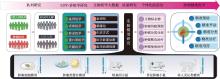
图2
LOY在肿瘤精准医学中的发展机遇和应用潜力 以大型队列研究为基础,分析健康人群和肿瘤群体中LOY率和受影响细胞类型等方面的差异,并分离两类群体中的LOY细胞进行多组学研究,将LOY多组学特征谱与个体的生物医学大数据进行关联性分析,初步获得LOY的遗传和环境风险因子、LOY促进肿瘤发生发展的分子机制,以及LOY在肿瘤防诊治方面的应用价值。随后,利用所构建的LOY实验模型对这些相关性逐一进行跨层级的因果论证。在这些数据的基础上,将LOY在肿瘤防诊治方面的潜能实现临床转化应用,最终将LOY开发为肿瘤精准医疗中的分子靶点。图中部分内容参考文献[60]修改绘制。"

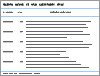
附表1
LOY在不同癌种中的发生率、关联特征及预后意义"
| 时间 | 肿瘤类型 | 样本量 | 检测方法 | LOY检出率 | 主要发现 | 参考文献 | |||
|---|---|---|---|---|---|---|---|---|---|
| 1993 | 食管癌 | 29例食管癌(14例腺癌,13例鳞癌,2例其他) 53例其他部位癌(作为对照) | FISH | 腺癌:93% (13/14) 鳞癌:62% (8/13) 其他部位癌:9% (5/53) | LOY与食管癌(尤其是腺癌)存在强烈且特异性的关联,提示其可能在食管癌的发病机制中具有重要作用。 | [ | |||
| 1995 | 膀胱癌 | 68例肿瘤组织 11例正常对照 | FISH | 34% (23/68) | LOY是膀胱癌中的频发事件,与患者高龄显著相关,并可能是一种早期事件,但其发生与肿瘤的恶性进展无关。 | [ | |||
| 1999 | 膀胱癌 | 67例肿瘤组织 | FISH | 34% (23/67) | LOY与膀胱癌复发和进展风险无关。 | [ | |||
| 2001 | 胰腺癌 | 11例胰腺癌细胞系 6例异种移植瘤 7例原发癌组织 7例慢性胰腺炎组织 | RDA Southern blot PCR FISH | 细胞系:73% (8/11) 异种移植瘤:83% (5/6) 原发癌组织:100% (7/7) 慢性胰腺炎:0% (0/7) | LOY是胰腺癌中一个极其频发的事件,发生在体内原发肿瘤细胞中,其能有效区分恶性胰腺癌与良性慢性胰腺炎,具有潜在的诊断应用价值。 | [ | |||
| 2006 | 肝细胞癌 | 4例韩国肝细胞癌细胞系 回顾分析21例肝细胞癌细胞系 | G-显带 CGH FISH PCR | 细胞系:100% (4/4) 文献回顾:86% (18/21) | LOY是肝细胞癌的一个显著特征,其高频发生为解释男性肝细胞癌高发提供了潜在的分子机制,即可能与ChrY上多个癌症相关基因的缺失有关。 | [ | |||
| 2010 | 尿路上皮膀胱癌 | 477例肿瘤组织 | FISH | 23% (110/477) | LOY是各分级分期尿路上皮膀胱癌中的频发早期事件;但与患者年龄、p53状态、复发、进展及总生存期均无关联,无临床预后意义。 | [ | |||
| 2012 | 前列腺癌 | 2,053例肿瘤组织 | FISH | <1% (12/2,053) | LOY在前列腺癌中极为罕见。 | [ | |||
| 2020 | 食管腺癌 | 400例肿瘤组织 | FISH | 53% (210/400) | LOY是食管腺癌中的高频事件,是预后不良的独立风险因素,并与TP53突变、KRAS扩增等分子改变相关。 | [ | |||
| 2020 | 乳腺癌 | 722例肿瘤组织 | FISH | 13% (92/722) | LOY是男性乳腺癌中的早期事件,始于导管原位癌阶段,并与ER/PR阴性肿瘤相关。 | [ | |||
| 2021 | 肾细胞肿瘤 | 1,045例肿瘤组织 | FISH | 总体LOY率:47% (496/1,045) 各亚型LOY率:贝尔尼集合管癌:100% (n=2);肾髓质癌:100% (n=1);乳头状肾细胞癌:77% (n=170);嫌色细胞肾细胞癌:60% (n=57);嗜酸细胞瘤:51% (n=71);多房囊性透明细胞肾细胞肿瘤:50% (n=2);未分类肾细胞癌:42% (n=12);透明细胞肾细胞癌:39% (n=699);Xp11易位性肾细胞癌:25% (n=4);透明细胞管状乳头状肾细胞癌:19% (n=16);肾母细胞瘤:0% (n=9);囊性肾瘤:0% (n=1);神经内分泌癌:0% (n=1)。 | LOY在肾细胞肿瘤中频发且具有亚型特异性,与高龄和较小肿瘤尺寸相关;在乳头状肾细胞癌中可能预示良好的疾病结局。 | [ | |||
| 2024 | 前列腺癌 | 13例mCRPC类器官 203例原发癌(Mitelman数据库) | FISH 细胞遗传学分析 | 类器官:31% (4/13) 原发癌:36% (74/203) | LOY是前列腺癌中的频发早期事件,并与染色体不稳定性密切相关。 | [ | |||
| 2024 | 神经母细胞瘤 | 70例男性肿瘤组织 | SNP微阵列 | 21% (15/70) | LOY在神经母细胞瘤中特异性富集于11q缺失且端粒维持机制激活的高危亚型中,并与诊断年龄增大相关,提示其可能是男性高危肿瘤亚群基因组不稳定的一个标志性事件。 | [ | |||
| 2025 | 膀胱癌 | 1,704例肿瘤组织 | FISH | 26% (436/1,704) | LOY与肿瘤分期、分级、淋巴结状态、生存预后及多种浸润性免疫细胞参数均无显著关联,不支持其驱动膀胱癌进展或免疫逃逸的作用。 | [ | |||
| 2023 | 泛癌 | 2,476例男性肿瘤(13种不同类型) | TCGA肿瘤分析 | KIRP:76% (173/229);EAC:66% (45/68);ESC:52% (32/62);KICH:51% (22/43);LUSC:50% (190/380);KIRC:41% (155/378);HNSC:38% (139/370);LUAD:32% (80/250);READ:32% (16/50);SKCM:30% (20/67);COAD:26% (58/223);BLCA:23% (68/301);ACC:22% (12/55)。 | LOY是一种常见现象,其与基因组不稳定性、特定癌基因或抑癌基因改变以及男性更高的癌症发病风险相关。 | [ | |||
| 2023 | 泛癌 | >5,000例男性肿瘤 | TCGA肿瘤分析 | KIRP:80% (167/209);ESCA:57% (89/156);KICH:53% (20/38);PAAD:48% (48/101);STAD:47% (132/282);UVM:47% (21/45);ACC:45% (14/31);CHOL:44% (7/16);KIRC:42% (137/323);LUSC:42% (154/364);DLBC:36% (8/22);HNSC:36% (134/371);READ:34% (27/80);LUAD:31% (75/239);COAD:28% (53/189);SKCM:28% (80/289);MESO:27% (18/67);BLCA:24% (74/303);LIHC:18% (46/253);SARC:17% (20/116);TGCT:13% (17/134);LGG:6% (17/284);LAML:5% (4/82);THCA:5% (6/129);GBM:3% (7/244);PRAD:3% (13/495);THYM:2% (1/63);PCPG:1% (1/78)。 | LOY在癌症中扮演双重角色,其是葡萄膜黑色素瘤的早期克隆驱动事件,与不良预后相关。 | [ | |||
| 2025 | 泛癌 | 4,127例男性肿瘤(29种不同类型) | TCGA肿瘤分析 | KIRP:82% (166/203);ESCA:70% (81/115);KICH:54% (20/37);LUSC:54% (153/284);STAD:54% (114/212);ACC:50% (14/28);PAAD:50% (46/92);HNSC:48% (131/272);UVM:48% (21/44);CHOL:44% (7/16);KIRC:43% (137/316);DLBC:40% (8/20);LUAD:40% (73/183);READ:40% (25/63);COAD:34% (53/155);BLCA:33% (73/221);SKCM:32% (80/249);MESO:30% (18/61);SARC:24% (20/85);LIHC:21% (45/214);TGCT:14% (17/120);LGG:6% (17/262);LAML:6% (4/63);THCA:4% (5/127);PRAD:3% (13/457);GBM:2% (2/89);THYM:2% (1/58);PCPG:1% (1/73);BRCA:0% (0/8)。 | 恶性上皮细胞中的LOY率最高,但其也存在于基质细胞和免疫细胞中,且恶性细胞的LOY可以预测良性细胞的LOY;肿瘤细胞LOY与免疫细胞LOY相互关联并诱导免疫抑制,二者协同作用导致患者预后不良。 | [ | |||
附表2
单细胞分辨率下不同癌种及细胞亚型的LOY比例与生理意义"
| 时间 | 癌种类型 | 受影响的细胞亚型 | LOY典型比例 | 检测方法 | 生理意义 | 参考文献 |
|---|---|---|---|---|---|---|
| 2021 | 前列腺癌 | 外周血CD4+ T细胞及粒细胞 | >10% | 单细胞基因剂量和转录组分析 | 功能失调:免疫细胞LOY导致常染色体基因表达紊乱,降低了免疫系统识别和杀伤前列腺癌细胞的效率。 | [ |
| 2023 | 膀胱癌 | 恶性上皮细胞 | 10%~40% | scRNA-seq | 免疫逃逸:LOY细胞通过重塑T细胞耗竭表型,增强肿瘤对自发抗肿瘤免疫的抗性。 | [ |
| 2024 | 肺腺癌 | 恶性细胞及髓系细胞 | 30%~90%不等 | 拷贝数变异分析 | 微环境重构:LOY调节常染色体基因表达,改变肿瘤相关巨噬细胞的极化,促进促炎环境向促癌环境转变。 | [ |
| 2024 | 结直肠癌 | 调节性T细胞 | 高比例(显著高于CD4+ T细胞) | 单细胞转录组谱分析 | 免疫抑制增强:调节性T细胞发生 LOY 后,其抑制性功能进一步增强,减弱了效应T细胞的抗肿瘤活性。 | [ |
| 2025 | 泛癌 | CD8+ T细胞和肿瘤基质细胞 | 随年龄与癌种波动(5%~25%) | 单细胞蛋白质组学与转录组整合分析 | T细胞耗竭:CD8+ T细胞的LOY与耗竭标记物高表达正相关,直接限制了免疫检查点抑制剂的疗效。 | [ |
| [1] |
Zheng DS, Trynda J, Williams C, Vold JA, Nguyen JH, Harnois DM, Bagaria SP, McLaughlin SA, Li ZY. Sexual dimorphism in the incidence of human cancers. BMC Cancer, 2019, 19(1): 684.
pmid: 31299933 |
| [2] |
Massey SC, Whitmire P, Doyle TE, Ippolito JE, Mrugala MM, Hu LS, Canoll P, Anderson ARA, Wilson MA, Fitzpatrick SM, McCarthy MM, Rubin JB, Swanson KR. Sex differences in health and disease: a review of biological sex differences relevant to cancer with a spotlight on glioma. Cancer Lett, 2021, 498: 178-187.
pmid: 33130315 |
| [3] |
Edgren G, Liang LM, Adami HO, Chang ET. Enigmatic sex disparities in cancer incidence. Eur J Epidemiol, 2012, 27(3): 187-196.
pmid: 22212865 |
| [4] |
Cook MB, McGlynn KA, Devesa SS, Freedman ND, Anderson WF. Sex disparities in cancer mortality and survival. Cancer Epidemiol Biomarkers Prev, 2011, 20(8): 1629-1637.
pmid: 21750167 |
| [5] |
Jackson SS, Marks MA, Katki HA, Cook MB, Hyun N, Freedman ND, Kahle LL, Castle PE, Graubard BI, Chaturvedi AK. Sex disparities in the incidence of 21 cancer types: quantification of the contribution of risk factors. Cancer, 2022, 128(19): 3531-3540.
pmid: 35934938 |
| [6] |
Kissick HT, Sanda MG, Dunn LK, Pellegrini KL, On ST, Noel JK, Arredouani MS. Androgens alter T-cell immunity by inhibiting T-helper 1 differentiation. Proc Natl Acad Sci USA, 2014, 111(27): 9887-9892.
pmid: 24958858 |
| [7] |
Kwon H, Schafer JM, Song NJ, Kaneko S, Li AQ, Xiao T, Ma AJ, Allen C, Das K, Zhou L, Riesenberg B, Chang YZ, Weltge P, Velegraki M, Oh DY, Fong L, Ma Q, Sundi D, Chung DJ, Li X, Li ZH. Androgen conspires with the CD8+ T cell exhaustion program and contributes to sex bias in cancer. Sci Immunol, 2022, 7(73): eabq2630.
pmid: 35420889 |
| [8] |
Guan XN, Polesso F, Wang CJ, Sehrawat A, Hawkins RM, Murray SE, Thomas GV, Caruso B, Thompson RF, Wood MA, Hipfinger C, Hammond SA, Graff JN, Xia Z, Moran AE. Androgen receptor activity in T cells limits checkpoint blockade efficacy. Nature, 2022, 606(7915): 791-796.
pmid: 35322234 |
| [9] |
Guo XH, Dai XQ, Zhou T, Wang H, Ni J, Xue JL, Wang X. Mosaic loss of human Y chromosome: what, how and why. Hum Genet, 2020, 139(4): 421-446.
pmid: 32020362 |
| [10] |
Rhie A, Nurk S, Cechova M, Hoyt SJ, Taylor DJ, Altemose N, Hook PW, Koren S, Rautiainen M, Alexandrov IA, Allen J, Asri M, Bzikadze AV, Chen NC, Chin CS, Diekhans M, Flicek P, Formenti G, Fungtammasan A, Garcia Giron C, Garrison E, Gershman A, Gerton JL, Grady PGS, Guarracino A, Haggerty L, Halabian R, Hansen NF, Harris R, Hartley GA, Harvey WT, Haukness M, Heinz J, Hourlier T, Hubley RM, Hunt SE, Hwang S, Jain M, Kesharwani RK, Lewis AP, Li H, Logsdon GA, Lucas JK, Makalowski W, Markovic C, Martin FJ, Mc Cartney AM, McCoy RC, McDaniel J, McNulty BM, Medvedev P, Mikheenko A, Munson KM, Murphy TD, Olsen HE, Olson ND, Paulin LF, Porubsky D, Potapova T, Ryabov F, Salzberg SL, Sauria MEG, Sedlazeck FJ, Shafin K, Shepelev VA, Shumate A, Storer JM, Surapaneni L, Taravella Oill AM, Thibaud-Nissen F, Timp W, Tomaszkiewicz M, Vollger MR, Walenz BP, Watwood AC, Weissensteiner MH, Wenger AM, Wilson MA, Zarate S, Zhu YM, Zook JM, Eichler EE, O'Neill RJ, Schatz MC, Miga KH, Makova KD, Phillippy AM. The complete sequence of a human Y chromosome. Nature, 2023, 621(7978): 344-354.
pmid: 37612512 |
| [11] |
Jobling MA, Tyler-Smith C. Human Y-chromosome variation in the genome-sequencing era. Nat Rev Genet, 2017, 18(8): 485-497.
pmid: 28555659 |
| [12] |
Maan AA, Eales J, Akbarov A, Rowland J, Xu XG, Jobling MA, Charchar FJ, Tomaszewski M. The Y chromosome: a blueprint for men’s health? Eur J Hum Genet, 2017, 25(11): 1181-1188.
pmid: 28853720 |
| [13] |
Skaletsky H, Kuroda-Kawaguchi T, Minx PJ, Cordum HS, Hillier L, Brown LG, Repping S, Pyntikova T, Ali J, Bieri T, Chinwalla A, Delehaunty A, Delehaunty K, Du H, Fewell G, Fulton L, Fulton R, Graves T, Hou SF, Latrielle P, Leonard S, Mardis E, Maupin R, McPherson J, Miner T, Nash W, Nguyen C, Ozersky P, Pepin K, Rock S, Rohlfing T, Scott K, Schultz B, Strong C, Tin-Wollam A, Yang SP, Waterston RH, Wilson RK, Rozen S, Page DC. The male-specific region of the human Y chromosome is a mosaic of discrete sequence classes. Nature, 2003, 423(6942): 825-837.
pmid: 12815422 |
| [14] |
Jacobs PA, Court Brown W, Doll R. Distribution of human chromosome counts in relation to age. Nature, 1961, 191: 1178-1180.
pmid: 13718573 |
| [15] |
Jacobs PA, Brunton M, Court Brown W, Doll R, Goldstein H. Change of human chromosome count distribution with age: evidence for a sex differences. Nature, 1963, 197: 1080-1081.
pmid: 13964326 |
| [16] |
Forsberg LA, Rasi C, Malmqvist N, Davies H, Pasupulati S, Pakalapati G, Sandgren J, de Ståhl TD, Zaghlool A, Giedraitis V, Lannfelt L, Score J, Cross NCP, Absher D, Janson ET, Lindgren CM, Morris AP, Ingelsson E, Lind L, Dumanski JP. Mosaic loss of chromosome Y in peripheral blood is associated with shorter survival and higher risk of cancer. Nat Genet, 2014, 46(6): 624-628.
pmid: 24777449 |
| [17] |
Loftfield E, Zhou WY, Yeager M, Chanock SJ, Freedman ND, Machiela MJ. Mosaic Y loss is moderately associated with solid tumor risk. Cancer Res, 2019, 79(3): 461-466.
pmid: 30510122 |
| [18] |
Dumanski JP, Halvardson J, Davies H, Rychlicka- Buniowska E, Mattisson J, Moghadam BT, Nagy N, Węglarczyk K, Bukowska-Strakova K, Danielsson M, Olszewski P, Piotrowski A, Oerton E, Ambicka A, Przewoźnik M, Bełch Ł, Grodzicki T, Chłosta PL, Imreh S, Giedraitis V, Kilander L, Nordlund J, Ameur A, Gyllensten U, Johansson Å, Józkowicz A, Siedlar M, Klich-Rączka A, Jaszczyński J, Enroth S, Baran J, Ingelsson M, Perry JRB, Ryś J, Forsberg LA. Immune cells lacking Y chromosome show dysregulation of autosomal gene expression. Cell Mol Life Sci, 2021, 78(8): 4019-4033.
pmid: 33837451 |
| [19] |
Noveski P, Madjunkova S, Sukarova Stefanovska E, Matevska Geshkovska N, Kuzmanovska M, Dimovski A, Plaseska-Karanfilska D. Loss of Y chromosome in peripheral blood of colorectal and prostate cancer patients. PLoS One, 2016, 11(1): e0146264.
pmid: 26745889 |
| [20] |
Kobayashi T, Hachiya T, Ikehata Y, Horie S. Genetic association of mosaic loss of chromosome Y with prostate cancer in men of European and East Asian ancestries: a Mendelian randomization study. Front Aging, 2023, 4(1): 1176451.
pmid: 37323536 |
| [21] |
Qin N, Li N, Wang C, Pu ZN, Ma ZJ, Jin GF, Zhu M, Dai M, Hu ZB, Ma HX. Association of mosaic loss of chromosome Y with lung cancer risk and prognosis in a Chinese population. J Thorac Oncol, 2019, 14(1): 37-44.
pmid: 30267841 |
| [22] | Zhu LN, Wang X, Guo XH. Hematopoietic mosaic loss of Y chromosome: from population cohorts to pathogenic mechanisms. Hereditas(Beijing), 2025, 47(4): 409-427. |
| 朱丽娜, 汪旭, 郭锡汉. 造血系统嵌合型Y染色体丢失: 从人群队列到致病机制. 遗传, 2025, 47(4): 409-427. | |
| [23] |
Bray F, Laversanne M, Sung H, Ferlay J, Siegel RL, Soerjomataram I, Jemal A. Global cancer statistics 2022: GLOBOCAN estimates of incidence and mortality worldwide for 36 cancers in 185 countries. CA Cancer J Clin, 2024, 74(3): 229-263.
pmid: 38572751 |
| [24] |
Dong M, Cioffi G, Wang J, Waite KA, Ostrom QT, Kruchko C, Lathia JD, Rubin JB, Berens ME, Connor J, Barnholtz-Sloan JS. Sex differences in cancer incidence and survival: a pan-cancer analysis. Cancer Epidemiol Biomarkers Prev, 2020, 29(7): 1389-1397.
pmid: 32349967 |
| [25] |
He Y, Su YL, Zeng JS, Chong W, Hu XL, Zhang Y, Peng XC. Cancer-specific survival after diagnosis in men versus women: a pan-cancer analysis. MedComm (2020), 2022, 3(3): e145.
pmid: 35783087 |
| [26] |
Chen XY, Shen YL, Choi S, Abdel-Hafiz HA, Basu M, Hoelzen L, Tufano M, Kailasam Mani SK, Ranjpour M, Zhu JN, Ramanujan VK, Koltsova EK, Calsavara VF, Knott SRV, Theodorescu D. Concurrent loss of the Y chromosome in cancer and T cells impacts outcome. Nature, 2025, 642(8069): 1041-1050.
pmid: 40468066 |
| [27] |
Abdel-Hafiz HA, Schafer JM, Chen XY, Xiao T, Gauntner TD, Li ZH, Theodorescu D. Y chromosome loss in cancer drives growth by evasion of adaptive immunity. Nature, 2023, 619(7970): 624-631.
pmid: 37344596 |
| [28] |
Qi MF, Pang JL, Mitsiades I, Lane AA, Rheinbay E. Loss of chromosome Y in primary tumors. Cell, 2023, 186(14): 3125-3136.
pmid: 37385248 |
| [29] |
Müller P, Camacho OV, Yazbeck AM, Wölwer C, Zhai WW, Schumacher J, Heider D, Buettner R, Quaas A, Hillmer AM. Why loss of Y? A pan-cancer genome analysis of tumors with loss of Y chromosome. Comput Struct Biotechnol J, 2023, 21: 1573-1583.
pmid: 36874157 |
| [30] |
Arseneault M, Monlong J, Vasudev NS, Laskar RS, Safisamghabadi M, Harnden P, Egevad L, Nourbehesht N, Panichnantakul P, Holcatova I, Brisuda A, Janout V, Kollarova H, Foretova L, Navratilova M, Mates D, Jinga V, Zaridze D, Mukeria A, Jandaghi P, Brennan P, Brazma A, Tost J, Scelo G, Banks RE, Lathrop M, Bourque G, Riazalhosseini Y. Loss of chromosome Y leads to down regulation of KDM5D and KDM6C epigenetic modifiers in clear cell renal cell carcinoma. Sci Rep, 2017, 7(1): 44876.
pmid: 28332632 |
| [31] |
Hollows R, Wei WB, Cazier JB, Mehanna H, Parry G, Halford G, Murray P. Association between loss of Y chromosome and poor prognosis in male head and neck squamous cell carcinoma. Head Neck, 2019, 41(4): 993-1006.
pmid: 30582241 |
| [32] |
Cáceres A, Jene A, Esko T, Perez-Jurado LA, Gonzalez JR. Extreme downregulation of chromosome Y and cancer risk in men. J Natl Cancer Inst, 2020, 112(9): 913-920.
pmid: 31945786 |
| [33] |
Zhang Q, Zhao L, Yang Y, Li SJ, Liu Y, Chen C. Mosaic loss of chromosome Y promotes leukemogenesis and clonal hematopoiesis. JCI Insight, 2022, 7(3): e153768.
pmid: 35132955 |
| [34] |
Willis-Owen SAG, Domingo-Sabugo C, Starren E, Liang LM, Freidin MB, Arseneault M, Zhang YM, Lu SK, Popat S, Lim E, Nicholson AG, Riazalhosseini Y, Lathrop M, Cookson WOC, Moffatt MF. Y disruption, autosomal hypomethylation and poor male lung cancer survival. Sci Rep, 2021, 11(1): 12453.
pmid: 34127738 |
| [35] |
Komura K, Yoshikawa Y, Shimamura T, Chakraborty G, Gerke TA, Hinohara K, Chadalavada K, Jeong SH, Armenia J, Du SY, Mazzu YZ, Taniguchi K, Ibuki N, Meyer CA, Nanjangud GJ, Inamoto T, Lee GSM, Mucci LA, Azuma H, Sweeney CJ, Kantoff PW. ATR inhibition controls aggressive prostate tumors deficient in Y-linked histone demethylase KDM5D. J Clin Invest, 2018, 128(7): 2979-2995.
pmid: 29863497 |
| [36] |
Li JX, Lan ZD, Liao WT, Horner JW, Xu XP, Liu JL, Yoshihama Y, Jiang S, Shim HS, Slotnik M, LaBella KA, Wu CJ, Dunner K Jr, Hsu WH, Lee R, Khanduri I, Terranova C, Akdemir K, Chakravarti D, Shang XY, Spring DJ, Wang YA, DePinho RA. Histone demethylase KDM5D upregulation drives sex differences in colon cancer. Nature, 2023, 619(7970): 632-639.
pmid: 37344599 |
| [37] |
Grillone K, Riillo C, Scionti F, Rocca R, Tradigo G, Guzzi PH, Alcaro S, Di Martino MT, Tagliaferri P, Tassone P. Non-coding RNAs in cancer: platforms and strategies for investigating the genomic “dark matter”. J Exp Clin Cancer Res, 2020, 39(1): 117.
pmid: 32563270 |
| [38] |
Slack FJ, Chinnaiyan AM. The role of non-coding RNAs in oncology. Cell, 2019, 179(5): 1033-1055.
pmid: 31730848 |
| [39] |
Wu SJ, Wu YW, Deng SJ, Lei XY, Yang XY. Emerging roles of noncoding RNAs in human cancers. Discov Oncol, 2023, 14(1): 128.
pmid: 37439905 |
| [40] |
Chen BQ, Dragomir MP, Yang C, Li QQ, Horst D, Calin GA. Targeting non-coding RNAs to overcome cancer therapy resistance. Signal Transduct Target Ther, 2022, 7(1): 121.
pmid: 35418578 |
| [41] |
Ma DN, Gao XY, Liu Z, Lu XG, Ju HX, Zhang N. Exosome-transferred long non-coding RNA ASMTL- AS1 contributes to malignant phenotypes in residual hepatocellular carcinoma after insufficient radiofrequency ablation. Cell Prolif, 2020, 53(9): e12795.
pmid: 32722884 |
| [42] |
Liang WJ, Wang Y, Zhang QY, Gao M, Zhou HZ, Wang ZR. m6A-mediated upregulation of LINC00106 promotes stemness and metastasis properties of hepatocellular carcinoma via sponging let7f. Front Cell Dev Biol, 2021, 9: 781867.
pmid: 34858996 |
| [43] |
Xiao GA, Yao JJ, Kong DP, Ye C, Chen R, Li L, Zeng T, Wang LJ, Zhang W, Shi XL, Zhou T, Li J, Wang Y, Xu CL, Jiang JF, Sun YH. The long noncoding RNA TTTY15, which is located on the Y chromosome, promotes prostate cancer progression by sponging let-7. Eur Urol, 2019, 76(3): 315-326.
pmid: 30527798 |
| [44] |
Wang W, Yang JB. Long noncoding RNA TTTY15 promotes growth and metastasis of esophageal squamous cell carcinoma by sponging microRNA-337-3p to upregulate the expression of JAK2. Anticancer Drugs, 2020, 31(10): 1038-1045.
pmid: 32868648 |
| [45] |
Wen XG, Han WL, Liu C. Long non-coding RNA TTTY15 silencing inhibits gastric cancer progression by sponging microRNA-98-5p to down-regulate cyclin D2 expression. Bioengineered, 2022, 13(3): 7380-7391.
pmid: 35266852 |
| [46] |
Wu SQ, Zhang LY, Deng JQ, Guo BB, Li F, Wang YR, Wu R, Zhang SH, Lu JC, Zhou YF. A novel micropeptide encoded by Y-linked LINC00278 links cigarette smoking and AR signaling in male esophageal squamous cell carcinoma. Cancer Res, 2020, 80(13): 2790-2803.
pmid: 32169859 |
| [47] |
Lai IL, Chang YS, Chan WL, Lee YT, Yen JC, Yang CA, Hung SY, Chang JG. Male-specific long noncoding RNA TTTY15 inhibits non-small cell lung cancer proliferation and metastasis via TBX4. Int J Mol Sci, 2019, 20(14): 3473.
pmid: 31311130 |
| [48] |
Brownmiller T, Juric JA, Ivey AD, Harvey BM, Westemeier ES, Winters MT, Stevens AM, Stanley AN, Hayes KE, Sprowls SA, Ammer ASG, Walker M, Bey EA, Wu XL, Lim ZF, Zhu L, Wen SJ, Hu GQ, Ma PC, Martinez I. Y chromosome lncRNA are involved in radiation response of male non-small cell lung cancer cells. Cancer Res, 2020, 80(19): 4046-4057.
pmid: 32616503 |
| [49] |
Westemeier-Rice ES, Winters MT, Rawson TW, Patel KJ, McHugh O, Ward S, McLaughlin S, Stewart A, Misra B, Dziadowicz S, Yi WJ, Bobbala S, Hu GQ, Martinez I. Lnc-RAINY regulates genes involved in radiation susceptibility through DNA: DNA: RNA triplex-forming interactions and has tumor therapeutic potential in lung cancers. Noncoding RNA Res, 2025, 12: 152-166.
pmid: 40235937 |
| [50] |
Fischer J, Shutta KH, Chen C, Fanfani V, Saha E, Mandros P, Guebila MB, Xiu J, Nieva J, Liu S, Uprety D, Spetzler D, Lopes-Ramos CM, DeMeo DL, Quackenbush J. Selective loss of Y chromosomes in lung adenocarcinoma modulates the tumor immune environment through cancer/testis antigens. bioRxiv, 2025, doi: 10.1101/2024.09.19.613876.
pmid: 39345481 |
| [51] |
Subramaniyan B, Acharya BR, Anand P, Mani SKK, Mohapatra S, Chen XY, Qu FY, Fstkchyan Y, Gutierrez C, Abdel-Hafiz H, Costello J, Theodorescu D. Loss of the Y chromosome drives cancer metabolic reprogramming. bioRxiv, 2025, doi: 10.1101/2025.08.26.672471.
pmid: 40909597 |
| [52] | Sakaguchi S, Mikami N, Wing JB, Tanaka A, Ichiyama K, Ohkura N. Regulatory T cells and human disease. Annu Rev Immunol, 2020, 38(1): 541-566. |
| [53] | Tanaka A, Sakaguchi S. Regulatory T cells in cancer immunotherapy. Cell Res, 2017, 27: 109-118. |
| [54] |
Thompson DJ, Genovese G, Halvardson J, Ulirsch JC, Wright DJ, Terao C, Davidsson OB, Day FR, Sulem P, Jiang YX, Danielsson M, Davies H, Dennis J, Dunlop MG, Easton DF, Fisher VA, Zink F, Houlston RS, Ingelsson M, Kar S, Kerrison ND, Kinnersley B, Kristjansson RP, Law PJ, Li R, Loveday C, Mattisson J, McCarroll SA, Murakami Y, Murray A, Olszewski P, Rychlicka- Buniowska E, Scott RA, Thorsteinsdottir U, Tomlinson I, Moghadam BT, Turnbull C, Wareham NJ, Gudbjartsson DF, International Lung Cancer Consortium (INTEGRAL- ILCCO), Breast Cancer Association Consortium, Consortium of Investigators of Modifiers of BRCA1/2, Endometrial Cancer Association Consortium, Ovarian Cancer Association Consortium, Prostate Cancer Association Group to Investigate Cancer Associated Alterations in the Genome (PRACTICAL) Consortium, Kidney Cancer GWAS Meta-Analysis Project, eQTLGen Consortium, Biobank-based Integrative Omics Study (BIOS) Consortium, 23andMe Research Team, Kamatani Y, Hoffmann ER, Jackson SP, Stefansson K, Auton A, Ong KK, Machiela MJ, Loh PR, Dumanski JP, Chanock SJ, Forsberg LA, Perry JRB. Genetic predisposition to mosaic Y chromosome loss in blood. Nature, 2019, 575(7784): 652-657.
pmid: 31748747 |
| [55] |
Mattisson J, Danielsson M, Hammond M, Davies H, Gallant CJ, Nordlund J, Raine A, Edén M, Kilander L, Ingelsson M, Dumanski JP, Halvardson J, Forsberg LA. Leukocytes with chromosome Y loss have reduced abundance of the cell surface immunoprotein CD99. Sci Rep, 2021, 11(1): 15160.
pmid: 34312421 |
| [56] |
Wójcik M, Juhas U, Mohammadi E, Mattisson J, Drężek-Chyła K, Rychlicka-Buniowska E, Bruhn- Olszewska B, Davies H, Chojnowska K, Olszewski P, Bieńkowski M, Jankowski M, Rostkowska O, Hellmann A, Pęksa R, Kowalski J, Zdrenka M, Kobiela J, Zegarski W, Biernat W, Szylberg Ł, Remiszewski P, Mieczkowski J, Filipowicz N, Dumanski JP. Loss of Y in regulatory T lymphocytes in the tumor micro-environment of primary colorectal cancers and liver metastases. Sci Rep, 2024, 14(1): 9458.
pmid: 38658633 |
| [57] |
Mattisson J, Halvardson J, Davies H, Bruhn-Olszewska B, Olszewski P, Danielsson M, Bjurling J, Lindberg A, Zaghlool A, Rychlicka-Buniowska E, Dumanski JP, Forsberg LA. Loss of chromosome Y in regulatory T cells. BMC Genomics, 2024, 25(1): 243.
pmid: 38443832 |
| [58] |
Danielsson M, Halvardson J, Davies H, Torabi Moghadam B, Mattisson J, Rychlicka-Buniowska E, Jaszczyński J, Heintz J, Lannfelt L, Giedraitis V, Ingelsson M, Dumanski JP, Forsberg LA. Longitudinal changes in the frequency of mosaic chromosome Y loss in peripheral blood cells of aging men varies profoundly between individuals. Eur J Hum Genet, 2020, 28(3): 349-357.
pmid: 31654039 |
| [59] |
Duan QC, Gao YR, Cao XX, Wang SL, Xu MM, Jones OD, Xu XH. Mosaic loss of chromosome Y in peripheral blood cells is associated with age-related macular degeneration in men. Cell Biosci, 2022, 12(1): 73.
pmid: 35642040 |
| [60] | “中国学科及前沿领域发展战略研究(2021-2035)”项目组编. 中国精准医学2035发展战略. 北京: 科学出版社, 2023, 1-300. |
| [61] |
Guo XH, Li JF, Xue JL, Fenech M, Wang X. Loss of Y chromosome: an emerging next-generation biomarker for disease prediction and early detection? Mutat Res Rev Mutat Res, 2021, 788: 108389.
pmid: 34893154 |
| [62] |
Puli SR, Reddy JB, Bechtold ML, Antillon D, Ibdah JA, Antillon MR. Staging accuracy of esophageal cancer by endoscopic ultrasound: a meta-analysis and systematic review. World J Gastroenterol, 2008, 14(10): 1479-1490.
pmid: 18330935 |
| [63] |
Van Vliet EPM, Heijenbrok-Kal MH, Hunink MGM, Kuipers EJ, Siersema PD. Staging investigations for oesophageal cancer: a meta-analysis. Br J Cancer, 2008, 98(3): 547-557.
pmid: 18212745 |
| [64] |
Russell IT, Edwards RT, Gliddon AE, Ingledew DK, Russell D, Whitaker R, Yeo ST, Attwood SE, Barr H, Nanthakumaran S, Park KGM. Cancer of oesophagus or gastricus-new assessment of technology of endosonography (COGNATE): report of pragmatic randomised trial. Health Technol Assess, 2013, 17(39): 1-170.
pmid: 24034150 |
| [65] |
Raters VM, Gebauer F, Löser H, Schröder W, Schlösser HA, Fuchs H, Bruns C, Quaas A, Zander T. Combined score of Y chromosome loss and T-cell infiltration improves UICC based stratification of esophageal adenocarcinoma. Front Oncol, 2023, 13: 1249172.
pmid: 38045001 |
| [66] |
Hashimoto M, Kamphorst AO, Im SJ, Kissick HT, Pillai RN, Ramalingam SS, Araki K, Ahmed R. CD8 T cell exhaustion in chronic infection and cancer: opportunities for interventions. Annu Rev Med, 2018, 69(1): 301-318.
pmid: 29414259 |
| [67] |
Cortez D, Marin R, Toledo-Flores D, Froidevaux L, Liechti A, Waters PD, Grützner F, Kaessmann H. Origins and functional evolution of Y chromosomes across mammals. Nature, 2014, 508(7497): 488-493.
pmid: 24759410 |
| [68] |
Wallis MC, Waters PD, Graves JAM. Sex determination in mammals-before and after the evolution of SRY. Cell Mol Life Sci, 2008, 65(20): 3182-3195.
pmid: 18581056 |
| [69] |
Mueller JL, Skaletsky H, Brown LG, Zaghlul S, Rock S, Graves T, Auger K, Warren WC, Wilson RK, Page DC. Independent specialization of the human and mouse X chromosomes for the male germ line. Nat Genet, 2013, 45(9): 1083-1087.
pmid: 23872635 |
| [70] |
Bellott DW, Skaletsky H, Pyntikova T, Mardis ER, Graves T, Kremitzki C, Brown LG, Rozen S, Warren WC, Wilson RK, Page DC. Convergent evolution of chicken Z and human X chromosomes by expansion and gene acquisition. Nature, 2010, 466(7306): 612-616.
pmid: 20622855 |
| [71] |
Bellott DW, Hughes JF, Skaletsky H, Brown LG, Pyntikova T, Cho TJ, Koutseva N, Zaghlul S, Graves T, Rock S, Kremitzki C, Fulton RS, Dugan S, Ding Y, Morton D, Khan Z, Lewis L, Buhay C, Wang QY, Watt J, Holder M, Lee S, Nazareth L, Alföldi J, Rozen S, Muzny DM, Warren WC, Gibbs RA, Wilson RK, Page DC. Mammalian Y chromosomes retain widely expressed dosage-sensitive regulators. Nature, 2014, 508(7497): 494-499.
pmid: 24759411 |
| [72] |
Patmore DM, Jassim A, Nathan E, Gilbertson RJ, Tahan D, Hoffmann N, Tong YA, Smith KS, Kanneganti TD, Suzuki H, Taylor MD, Northcott P, Gilbertson RJ. DDX3X suppresses the susceptibility of hindbrain lineages to medulloblastoma. Dev Cell, 2020, 54(4): 455-470.
pmid: 32553121 |
| [73] |
Wang L, Shilatifard A. UTX mutations in human cancer. Cancer Cell, 2019, 35(2): 168-176.
pmid: 30753822 |
| [74] |
San Roman AK, Godfrey AK, Skaletsky H, Bellott DW, Groff AF, Harris HL, Blanton LV, Hughes JF, Brown L, Phou S, Buscetta A, Kruszka P, Banks N, Dutra A, Pak E, Lasutschinkow PC, Keen C, Davis SM, Tartaglia NR, Samango-Sprouse C, Muenke M, Page DC. The human inactive X chromosome modulates expression of the active X chromosome. Cell Genom, 2023, 3(2): 100259.
pmid: 36819663 |
| [75] |
Köferle A, Schlattl A, Hörmann A, Thatikonda V, Popa A, Spreitzer F, Ravichandran MC, Supper V, Oberndorfer S, Puchner T, Wieshofer C, Corcokovic M, Reiser C, Wöhrle S, Popow J, Pearson M, Martinez J, Weitzer S, Mair B, Neumüller RA. Interrogation of cancer gene dependencies reveals paralog interactions of autosome and sex chromosome-encoded genes. Cell Rep, 2022, 39(2): 110636.
pmid: 35417719 |
| [76] |
Gherardini L, Inzalaco G, Imperatore F, D’Aurizio R, Franci L, Miragliotta V, Boccuto A, Calandro P, Andreini M, Tarditi A, Chiariello M. The FHP01 DDX3X helicase inhibitor exerts potent anti-tumor activity in vivo in breast cancer pre-clinical models. Cancers (Basel), 2021, 13(19): 4830.
pmid: 34638314 |
| [77] |
Nakao S, Nogami M, Iwatani M, Imaeda T, Ito M, Tanaka T, Tawada M, Endo S, Cary DR, Ohori M, Imaeda Y, Kawamoto T, Aparicio S, Nakanishi A, Araki S. Identification of a selective DDX3X inhibitor with newly developed quantitative high-throughput RNA helicase assays. Biochem Biophys Res Commun, 2020, 523(3): 795-801.
pmid: 31954521 |
| [78] |
Xu J, Peng XX, Chen YX, Zhang YZ, Ma Q, Liang L, Carter AC, Lu XM, Wu CI. Free-living human cells reconfigure their chromosomes in the evolution back to uni-cellularity. Elife, 2017, 6: e28070.
pmid: 29251591 |
| [79] |
Yin SW, Zhong N, Agrawal S, Feng BR, Pradhan S, Jobalia NK, Vaziripour M, Poreddy SK, Kresty LA, Gillaspie EA, Dietz NE, Al-Refaie WB, Nandipati KC, Fu YS, Xia J. Single-cell genomic copy number evolution reveals frequent loss of the Y chromosome in esophageal adenocarcinoma. bioRxiv, 2025, doi: 10.1101/2025.09.14.676175.
pmid: 41000889 |
| [80] |
Tu MM, Lee FYF, Jones RT, Kimball AK, Saravia E, Graziano RF, Coleman B, Menard K, Yan J, Michaud E, Chang H, Abdel-Hafiz HA, Rozhok AI, Duex JE, Agarwal N, Chauca-Diaz A, Johnson LK, Ng TL, Cambier JC, Clambey ET, Costello JC, Korman AJ, Theodorescu D. Targeting DDR2 enhances tumor response to anti-PD-1 immunotherapy. Sci Adv, 2019, 5(2): eaav2437.
pmid: 30801016 |
| [81] |
Fröhling S, Döhner H. Chromosomal abnormalities in cancer. N Engl J Med, 2008, 359(7): 722-734.
pmid: 18703475 |
| [82] |
Setiadi AF, Omilusik K, David MD, Seipp RP, Hartikainen J, Gopaul R, Choi KB, Jefferies WA. Epigenetic enhancement of antigen processing and presentation promotes immune recognition of tumors. Cancer Res, 2008, 68(23): 9601-9607.
pmid: 19047136 |
| [83] |
Plage H, Ahlburg V, Hofbauer S, Furlano K, Weinberger S, Fendler A, Rossner F, Schallenberg S, Elezkurtaj S, Blessin NC, Lennartz M, Marx AH, Samtleben H, Fisch M, Rink M, Slojewski M, Kaczmarek K, Ecke T, Koch S, Adamini N, Simon R, Sauter G, Zecha H, Weischenfeldt J, Klatte T, Minner S, Horst D, Schlomm T, Kluth M. Loss of chromosome Y is unrelated to the composition of the tumor microenvironment and patient prognosis in muscle-invasive urothelial bladder cancers. BMC Cancer, 2025, 25(1): 677.
pmid: 40229756 |
| [84] |
Guo XH, Dai XQ. A complex systems approach to mosaic loss of the Y chromosome. Geroscience, 2025, 47(1): 631-651.
pmid: 39680277 |
| [1] | 田璐, 刘茜, 岑山, 李晓宇. 逆转录转座子LINE-1:肿瘤发生中的“双刃剑”[J]. 遗传, 2026, 48(7): 671-689. |
| [2] | 张宗旺, 熊敬维. AARS1/2:从蛋白质翻译到代谢与免疫调控的双重功能[J]. 遗传, 2025, 47(9): 967-978. |
| [3] | 安梦婷, 郭冠麟, 吴杰, 孙文靖, 贾学渊. 基于生物信息学分析胃癌双微体中增强子的调控机制[J]. 遗传, 2025, 47(5): 558-572. |
| [4] | 朱丽娜, 汪旭, 郭锡汉. 造血系统嵌合型Y染色体丢失:从人群队列到致病机制[J]. 遗传, 2025, 47(4): 409-427. |
| [5] | 刘灿, 翟巍巍, 吕雪梅. 肿瘤演化过程中的进化生态:概念、应用与创新[J]. 遗传, 2025, 47(2): 228-236. |
| [6] | 张宏博, 孙凤桂, 孙建伟, 汤琦, 张旭. 乳腺肿瘤干细胞在乳腺癌发生、发展及耐药中的作用[J]. 遗传, 2025, 47(10): 1099-1117. |
| [7] | 王陈颖, 肖荟尹, 诸志鹏, 郑素雅, 徐良, 陈烨. 子宫平滑肌肉瘤的分子遗传学特征与研究进展[J]. 遗传, 2024, 46(8): 603-626. |
| [8] | 张译文, 黄琴, 吴艳芸, 孙月, 韦永龙. LIN28A/B在肿瘤发生发展中的作用研究进展[J]. 遗传, 2024, 46(6): 452-465. |
| [9] | 沈院, 李金涛, 尹淼, 雷群英. 支链氨基酸代谢在肿瘤发生发展中的作用[J]. 遗传, 2024, 46(6): 438-451. |
| [10] | 李卉, 吴光明. 肿瘤抑制蛋白PDCD4结构特性与疾病关系解析及研究进展[J]. 遗传, 2024, 46(4): 290-305. |
| [11] | 闫旭, 郭影, 孙冬琳, 吴楠, 金焰. 肿瘤抗血管生成治疗耐药机制[J]. 遗传, 2024, 46(11): 911-919. |
| [12] | 孙清玙, 周阳, 杜丽娟, 张梦珂, 王家乐, 任媛媛, 刘芳. 巨噬细胞相关基因与非小细胞肺癌预后和肿瘤微环境的分析[J]. 遗传, 2023, 45(8): 684-699. |
| [13] | 严程浩, 白韦钰, 张智猛, 沈俊岭, 王友军, 孙建伟. STIM1在肿瘤发生及转移中的研究进展[J]. 遗传, 2023, 45(5): 395-408. |
| [14] | 马春辉, 胡海旭, 张丽娟, 刘毅, 刘天懿. 用于循环肿瘤细胞定量分析的CK19数字PCR检测方法的建立及性能验证[J]. 遗传, 2023, 45(3): 250-260. |
| [15] | 常栋, 刘享享, 刘睿, 孙建伟. FSCN1在乳腺癌发生发展中的作用及其调控机制[J]. 遗传, 2023, 45(2): 115-127. |
| 阅读次数 | ||||||
|
全文 |
|
|||||
|
摘要 |
|
|||||

www.chinagene.cn
备案号:京ICP备09063187号-4
总访问:,今日访问:,当前在线:

