Hereditas(Beijing) ›› 2026, Vol. 48 ›› Issue (3): 272-286.doi: 10.16288/j.yczz.25-267
• Review • Previous Articles Next Articles
Progress on N4-acetylcytidine in animal reproductive development
Xinyue Zhu( ), Kunlong Hu, Wenhuan Xu, Mengqing Xuan, Xinqi Gan, Zhiyuan Yang, Wenzhuo Wang, Zhengqiu Liu, Mengya Zhang, Beibei Zhou, Wenjie Yu, Yunhai Zhang, Zubing Cao()
Key Laboratory of Local Livestock Genetic Resources Conservation and Germplasm Innovation of Anhui Province ,College of Animal Science and Technology, Anhui Agricultural University Hefei 230036, China
-
Received:2025-10-13Revised:2025-12-17Online:2026-01-15Published:2026-01-15 -
Contact:Zubing Cao E-mail:19154179850@163.com;zubingcao@ahau.edu.cn -
Supported by:Sub-project of the National Key Research and Development Program(2023YFD1300502-1);Expert Position Project of the Modern Agricultural Industry Technology System of Anhui Province(AHCYJSTX-04);Startup Foundation for High-level Talents of Anhui Agricultural University(rc392504)

Cite this article
Xinyue Zhu, Kunlong Hu, Wenhuan Xu, Mengqing Xuan, Xinqi Gan, Zhiyuan Yang, Wenzhuo Wang, Zhengqiu Liu, Mengya Zhang, Beibei Zhou, Wenjie Yu, Yunhai Zhang, Zubing Cao. Progress on N4-acetylcytidine in animal reproductive development[J]. Hereditas(Beijing), 2026, 48(3): 272-286.
share this article
Add to citation manager EndNote|Reference Manager|ProCite|BibTeX|RefWorks
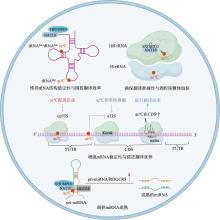
Fig. 1
The ac4C modification sites across various ribonucleic acids"
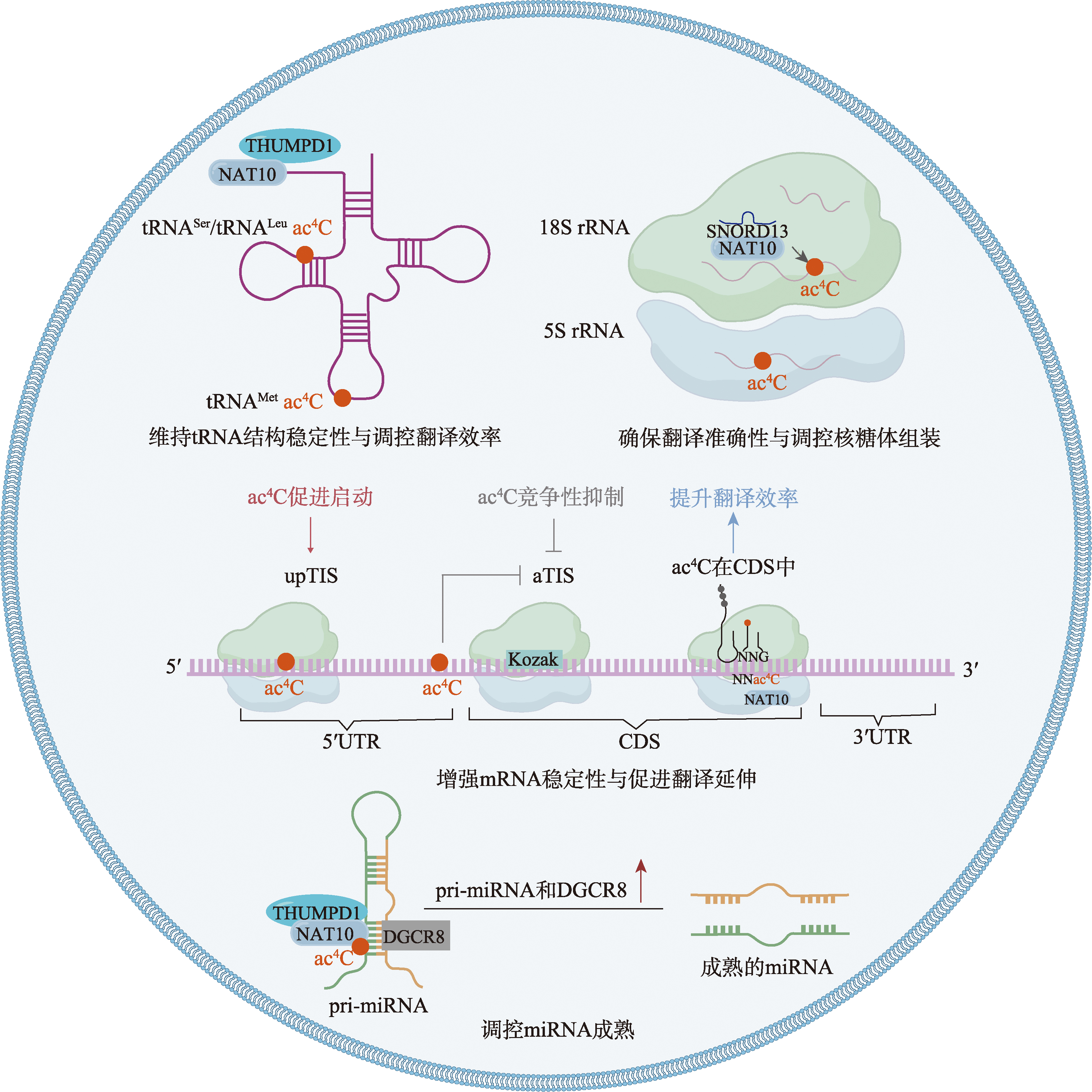
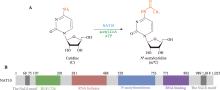
Fig. 2
NAT10 catalyzes the formation of ac4C modification and the structural organization of NAT10"
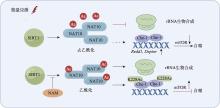
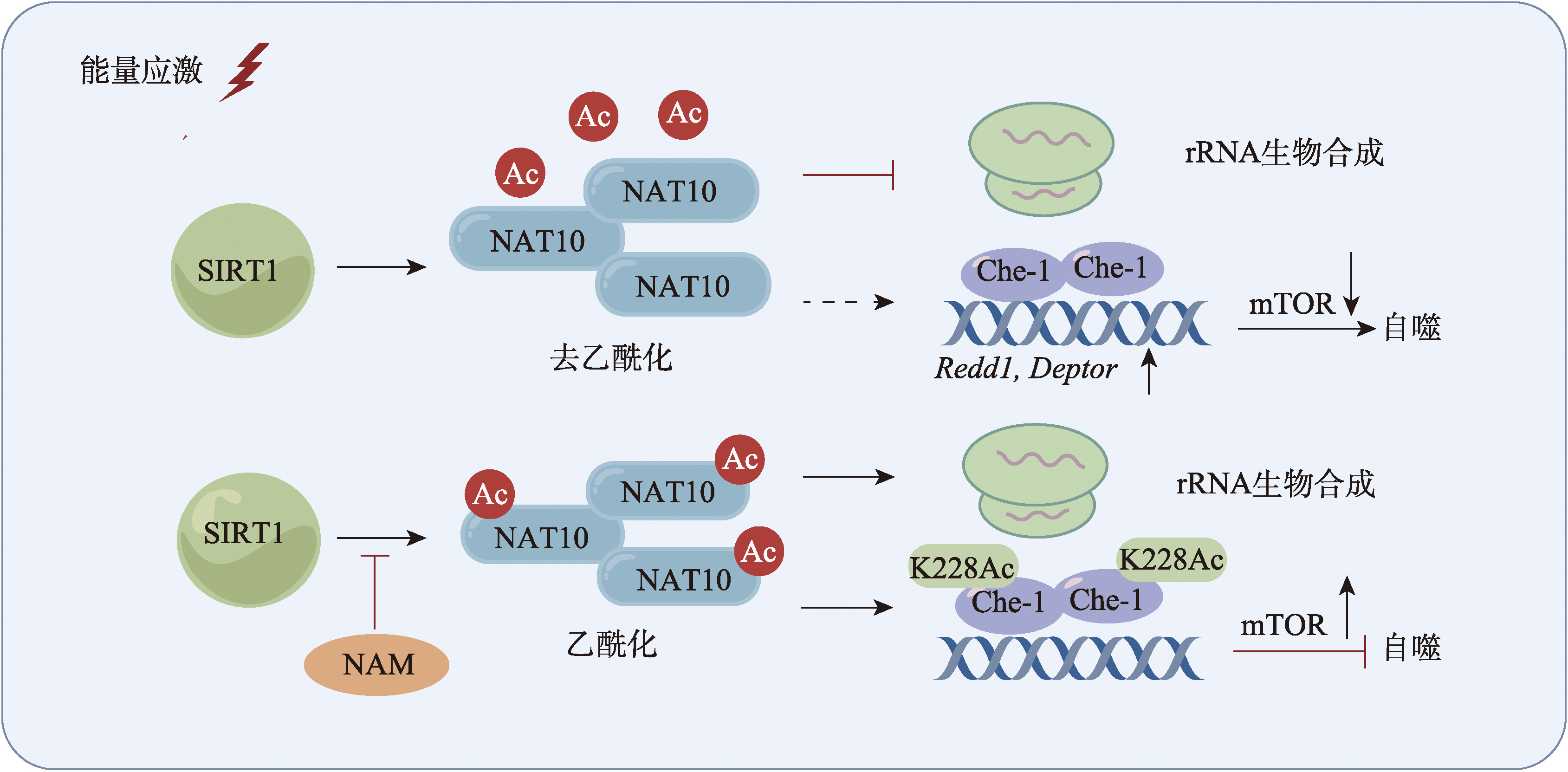
Fig. 3
SIRT1 mediates the deacetylation of NAT10 and the NAM-blocking mechanism"
| [1] |
Kachhawaha AS, Mishra S, Tiwari AK. Epigenetic control of heredity. Prog Mol Biol Transl Sci, 2023, 198: 25-60.
pmid: 37225323 |
| [2] |
Cappannini A, Ray A, Purta E, Mukherjee S, Boccaletto P, Moafinejad SN, Lechner A, Barchet C, Klaholz BP, Stefaniak F, Bujnicki JM. MODOMICS: a database of RNA modifications and related information. 2023 update. Nucleic Acids Res, 2024, 52(D1): D239-D244.
pmid: 38015436 |
| [3] |
Zachau HG, Dütting D, Feldmann H. The structures of two serine transfer ribonucleic acids. Hoppe Seylers Z Physiol Chem, 1966, 347(4): 212-235.
pmid: 5991670 |
| [4] |
Schiffers S, Oberdoerffer S. ac4C: a fragile modification with stabilizing functions in RNA metabolism. RNA, 2024, 30(5): 583-594.
pmid: 38531654 |
| [5] |
Ito S, Horikawa S, Suzuki T, Kawauchi H, Tanaka Y, Suzuki T, Suzuki T. Human NAT10 is an ATP-dependent RNA acetyltransferase responsible for N4-acetylcytidine formation in 18S ribosomal RNA (rRNA). J Biol Chem, 2014, 289(52): 35724-35730.
pmid: 25411247 |
| [6] |
Sas-Chen A, Thomas JM, Matzov D, Taoka M, Nance KD, Nir R, Bryson KM, Shachar R, Liman GLS, Burkhart BW, Gamage ST, Nobe Y, Briney CA, Levy MJ, Fuchs RT, Robb GB, Hartmann J, Sharma S, Lin QS, Florens L, Washburn MP, Isobe T, Santangelo TJ, Shalev-Benami M, Meier JL, Schwartz S. Dynamic RNA acetylation revealed by quantitative cross-evolutionary mapping. Nature, 2020, 583(7817): 638-643.
pmid: 32555463 |
| [7] |
Igo-Kemenes T, Zachau HG. On the specificity of the reduction of transfer ribonucleic acids with sodium borohydride. Eur J Biochem, 1969, 10(3): 549-556.
pmid: 4899928 |
| [8] |
Kowalski S, Yamane T, Fresco JR. Nucleotide sequence of the “denaturable” leucine transfer RNA from yeast. Science, 1971, 172(3981): 385-387.
pmid: 4927676 |
| [9] |
Oashi Z, Murao K, Yahagi T, Von Minden DL, McCloskey JA, Nishimura S. Characterization of C+ located in the first position of the anticodon of Escherichia coli tRNAMet as N4-acetylcytidine. Biochim Biophys Acta, 1972, 262(2): 209-213.
pmid: 4552959 |
| [10] |
Stern L, Schulman LH. The role of the minor base N4-acetylcytidine in the function of the Escherichia coli noninitiator methionine transfer RNA. J Biol Chem, 1978, 253(17): 6132-6139.
pmid: 355249 |
| [11] |
Thomas G, Gordon J, Rogg H. N4-acetylcytidine. A previously unidentified labile component of the small subunit of eukaryotic ribosomes. J Biol Chem, 1978, 253(4): 1101-1105.
pmid: 624721 |
| [12] |
Bruenger E, Kowalak JA, Kuchino Y, McCloskey JA, Mizushima H, Stetter KO, Crain PF. 5S rRNA modification in the hyperthermophilic archaea Sulfolobus solfataricus and Pyrodictium occultum. Faseb J, 1993, 7(1): 196-200.
pmid: 8422966 |
| [13] |
Harada F, Matsubara M, Kato N. Stable tRNA precursors in HeLa cells. Nucleic Acids Res, 1984, 12(24): 9263-9269.
pmid: 6514577 |
| [14] |
Johansson MJO, Byström AS. The Saccharomyces cerevisiae TAN1 gene is required for N4-acetylcytidine formation in tRNA. RNA, 2004, 10(4): 712-719.
pmid: 15037780 |
| [15] |
Kotelawala L, Grayhack EJ, Phizicky EM. Identification of yeast tRNA Um(44) 2′-O-methyltransferase (Trm44) and demonstration of a Trm44 role in sustaining levels of specific tRNA(Ser) species. RNA, 2008, 14(1): 158-169.
pmid: 18025252 |
| [16] |
Sharma S, Langhendries JL, Watzinger P, Kötter P, Entian KD, Lafontaine DLJ. Yeast Kre33 and human NAT10 are conserved 18S rRNA cytosine acetyltransferases that modify tRNAs assisted by the adaptor Tan1/THUMPD1. Nucleic Acids Res, 2015, 43(4): 2242-2258.
pmid: 25653167 |
| [17] |
Sharma S, Yang J, van Nues R, Watzinger P, Kötter P, Lafontaine DLJ, Granneman S, Entian KD. Specialized box C/D snoRNPs act as antisense guides to target RNA base acetylation. PLoS Genet, 2017, 13(5): e1006804.
pmid: 28542199 |
| [18] |
Bortolin-Cavaillé ML, Quillien A, Thalalla Gamage S, Thomas JM, Sas-Chen A, Sharma S, Plisson-Chastang C, Vandel L, Blader P, Lafontaine DLJ, Schwartz S, Meier JL, Cavaillé J. Probing small ribosomal subunit RNA helix 45 acetylation across eukaryotic evolution. Nucleic Acids Res, 2022, 50(11): 6284-6299.
pmid: 35648437 |
| [19] |
Taniguchi T, Miyauchi K, Sakaguchi Y, Yamashita S, Soma A, Tomita K, Suzuki T. Acetate-dependent tRNA acetylation required for decoding fidelity in protein synthesis. Nat Chem Biol, 2018, 14(11): 1010-1020.
pmid: 30150682 |
| [20] |
Wei W, Zhang SS, Han H, Wang XC, Zheng SY, Wang ZY, Yang CL, Wang L, Ma JY, Guo SY, Wang J, Liu LL, Choe J, Lin SB. NAT10-mediated ac4C tRNA modification promotes EGFR mRNA translation and gefitinib resistance in cancer. Cell Rep, 2023, 42(7): 112810.
pmid: 37463108 |
| [21] |
Wu QS, Bazzini AA. Translation and mRNA stability control. Annu Rev Biochem, 2023, 92: 227-245.
pmid: 37001134 |
| [22] |
Arango D, Sturgill D, Alhusaini N, Dillman AA, Sweet TJ, Hanson G, Hosogane M, Sinclair WR, Nanan KK, Mandler MD, Fox SD, Zengeya TT, Andresson T, Meier JL, Coller J, Oberdoerffer S. Acetylation of cytidine in mRNA promotes translation efficiency. Cell, 2018, 175(7): 1872-1886.e24.
pmid: 30449621 |
| [23] |
Arango D, Sturgill D, Yang RB, Kanai T, Bauer P, Roy J, Wang ZQ, Hosogane M, Schiffers S, Oberdoerffer S. Direct epitranscriptomic regulation of mammalian translation initiation through N4-acetylcytidine. Mol Cell, 2022, 82(15): 2797-2814.e11.
pmid: 35679869 |
| [24] |
Guo GQ, Shi XY, Wang HJ, Ye LL, Tong XY, Yan KJ, Ding N, Chen CS, Zhang HD, Xue XY. Epitranscriptomic N4-acetylcytidine profiling in CD4+ T cells of systemic lupus erythematosus. Front Cell Dev Biol, 2020, 8: 842.
pmid: 32984334 |
| [25] |
Xiang YT, Zhou CC, Zeng YY, Guo Q, Huang JN, Wu TB, Liu JW, Liang QQ, Zeng HT, Liang XY. NAT10-mediated N4-acetylcytidine of RNA contributes to post- transcriptional regulation of mouse oocyte maturation in vitro. Front Cell Dev Biol, 2021, 9: 704341.
pmid: 34395433 |
| [26] |
Deng M, Zhang L, Zheng WY, Chen JL, Du N, Li MQ, Chen WQ, Huang YH, Zeng N, Song YB, Chen YM. Helicobacter pylori-induced NAT10 stabilizes MDM2 mRNA via RNA acetylation to facilitate gastric cancer progression. J Exp Clin Cancer Res, 2023, 42(1): 9.
pmid: 36609449 |
| [27] |
Shi J, Yang CX, Zhang J, Zhao K, Li P, Kong CY, Wu XG, Sun HL, Zheng R, Sun W, Chen LM, Kong XQ. NAT10 is involved in cardiac remodeling through ac4C-mediated transcriptomic regulation. Circ Res, 2023, 133(12): 989-1002.
pmid: 37955115 |
| [28] |
Xu T, Wang J, Wu Y, Wu JY, Lu WC, Liu M, Zhang SB, Xie D, Xin WJ, Xie JD. Ac4C enhances the translation efficiency of Vegfa mRNA and mediates central sensitization in spinal dorsal horn in neuropathic pain. Adv Sci (Weinh), 2023, 10(35): e2303113.
pmid: 37877615 |
| [29] |
Yu C, Chen Y, Luo H, Lin WH, Lin X, Jiang Q, Liu HJ, Liu WK, Yang J, Huang Y, Fang J, He DF, Han Y, Zheng S, Ren HM, Xia XW, Yu JY, Chen LL, Zeng CY. NAT10 promotes vascular remodelling via mRNA ac4C acetylation. Eur Heart J, 2025, 46(3): 288-304.
pmid: 39453784 |
| [30] |
Nappi F. Non-coding RNA-targeted therapy: a state-of- the-art review. Int J Mol Sci, 2024, 25(7): 3630.
pmid: 38612441 |
| [31] |
Zhang HL, Lu RH, Huang JY, Li L, Cao YT, Huang CH, Chen R, Wang YL, Huang J, Zhao X, Yu JX. N4-acetylcytidine modifies primary microRNAs for processing in cancer cells. Cell Mol Life Sci, 2024, 81(1): 73.
pmid: 38308713 |
| [32] |
Wiener D, Schwartz S. The epitranscriptome beyond m6A. Nat Rev Genet, 2021, 22(2): 119-131.
pmid: 33188361 |
| [33] |
Georgeson J, Schwartz S. No evidence for ac4C within human mRNA upon data reassessment. Mol Cell, 2024, 84(8): 1601-1610.e2.
pmid: 38640895 |
| [34] |
Beiki H, Sturgill D, Arango D, Relier S, Schiffers S, Oberdoerffer S. Detection of ac4C in human mRNA is preserved upon data reassessment. Mol Cell, 2024, 84(8): 1611-1625.e3.
pmid: 38640896 |
| [35] |
Yi MY, Zhou FL, Deng Y. STM-ac4C: a hybrid model for identification of N4-acetylcytidine (ac4C) in human mRNA based on selective kernel convolution, temporal convolutional network, and multi-head self-attention. Front Genet, 2024, 15: 1408688.
pmid: 38873109 |
| [36] |
Thomas JM, Briney CA, Nance KD, Lopez JE, Thorpe AL, Fox SD, Bortolin-Cavaille ML, Sas-Chen A, Arango D, Oberdoerffer S, Cavaille J, Andresson T, Meier JL. A chemical signature for cytidine acetylation in RNA. J Am Chem Soc, 2018, 140(40): 12667-12670.
pmid: 30252461 |
| [37] |
Ikeuchi Y, Kitahara K, Suzuki T. The RNA acetyltransferase driven by ATP hydrolysis synthesizes N4-acetylcytidine of tRNA anticodon. EMBO J, 2008, 27(16): 2194-2203.
pmid: 18668122 |
| [38] |
Sinclair WR, Arango D, Shrimp JH, Zengeya TT, Thomas JM, Montgomery DC, Fox SD, Andresson T, Oberdoerffer S, Meier JL. Profiling cytidine acetylation with specific affinity and reactivity. ACS Chem Biol, 2017, 12(12): 2922-2926.
pmid: 29039931 |
| [39] |
Parthasarathy R, Ginell SL, De NC, Chheda GB. Conformation of N4-acetylcytidine,amodifiednucleosideoftRNA,andstereochemistryofcodon-anticodoninteraction. Biochem Biophys Res Commun, 1978, 83(2): 657-663.
pmid: 697848 |
| [40] |
Bartee D, Nance KD, Meier JL. Site-specific synthesis of N4-acetylcytidine in RNA reveals physiological duplex stabilization. J Am Chem Soc, 2022, 144(8): 3487-3496.
pmid: 35172571 |
| [41] |
Hameedat F, Hawamdeh S, Alnabulsi S, Zayed A. High performance liquid chromatography (HPLC) with fluorescence detection for quantification of steroids in clinical, pharmaceutical, and environmental samples: a review. Molecules, 2022, 27(6): 1807.
pmid: 35335170 |
| [42] |
Fu YL, Li WK, Picard F. Assessment of matrix effect in quantitative LC-MS bioanalysis. Bioanalysis, 2024, 16(12): 631-634.
pmid: 38578084 |
| [43] |
Ito S, Akamatsu Y, Noma A, Kimura S, Miyauchi K, Ikeuchi Y, Suzuki T, Suzuki T. A single acetylation of 18S rRNA is essential for biogenesis of the small ribosomal subunit in Saccharomyces cerevisiae. J Biol Chem, 2014, 289(38): 26201-26212.
pmid: 25086048 |
| [44] |
Tardu M, Jones JD, Kennedy RT, Lin QS, Koutmou KS. Identification and quantification of modified nucleosides in Saccharomyces cerevisiae mRNAs. ACS Chem Biol, 2019, 14(7): 1403-1409.
pmid: 31243956 |
| [45] |
Taoka M, Ishikawa D, Nobe Y, Ishikawa H, Yamauchi Y, Terukina G, Nakayama H, Hirota K, Takahashi N, Isobe T. RNA cytidine acetyltransferase of small-subunit ribosomal RNA: identification of acetylation sites and the responsible acetyltransferase in fission yeast, Schizosaccharomyces pombe. PLoS One, 2014, 9(11): e112156.
pmid: 25402480 |
| [46] |
Chen L, Wang WJ, Liu Q, Wu YK, Wu YW, Jiang Y, Liao XQ, Huang F, Li Y, Shen L, Yu C, Zhang SY, Yan LY, Qiao J, Sha QQ, Fan HY. NAT10-mediated N4-acetylcytidine modification is required for meiosis entry and progression in male germ cells. Nucleic Acids Res, 2022, 50(19): 10896-10913.
pmid: 35801907 |
| [47] |
Jiang ZY, Wu YK, Deng ZQ, Chen L, Zhu YM, Yu YS, Wu HB, Fan HY. PCBP1/2 and TDP43 function as NAT10 adaptors to mediate mRNA ac4C formation in mammalian cells. Adv Sci (Weinh), 2024, 11(47): e2400133.
pmid: 39556689 |
| [48] |
Xie RH, Cheng L, Huang M, Huang L, Chen ZY, Zhang Q, Li H, Lu JL, Wang HJ, Zhou QH, Huang J, Chen X, Lin TX. NAT10 drives cisplatin chemoresistance by enhancing ac4C-associated DNA repair in bladder cancer. Cancer Res, 2023, 83(10): 1666-1683.
pmid: 36939377 |
| [49] |
Li XY, Peng JY, Yi CQ. Acetylation enhances mRNA stability and translation. Biochemistry, 2019, 58(12): 1553-1554.
pmid: 30875197 |
| [50] |
Sturgill D, Arango D, Oberdoerffer S. Protocol for base resolution mapping of ac4C using RedaC:T-seq. STAR Protoc, 2022, 3(4): 101858.
pmid: 36595942 |
| [51] |
Thalalla Gamage S, Sas-Chen A, Schwartz S, Meier JL. Quantitative nucleotide resolution profiling of RNA cytidine acetylation by ac4C-seq. Nat Protoc, 2021, 16(4): 2286-2307.
pmid: 33772246 |
| [52] |
Thomas JM, Bryson KM, Meier JL. Nucleotide resolution sequencing of N4-acetylcytidine in RNA. Methods Enzymol, 2019, 621: 31-51.
pmid: 31128786 |
| [53] |
Yu J, Jin J, Kwon E, Jang H, Choi SK, Kim D, Kim C, Son S, Yoon KJ, Do Heo W. Programmable RNA acetylation with CRISPR-Cas13. Nat Chem Biol, 2025, doi:10.1038/s41589-025-01922-3.
pmid: 40456962 |
| [54] |
Thalalla Gamage S, Howpay Manage S, Sas-Chen A, Nir R, Burkhart BW, Jhulki I, Link CN, Penikalapati MS, Jones JE, Iyer LM, Aravind L, Santangelo TJ, Schwartz S, Meier JL. A sequence-specific RNA acetylation catalyst. Nucleic Acids Res, 2025, 53(6): gkaf217.
pmid: 40119730 |
| [55] |
Zhao WQ, Zhou YR, Cui QH, Zhou Y. PACES: prediction of N4-acetylcytidine (ac4C) modification sites in mRNA. Sci Rep, 2019, 9(1): 11112.
pmid: 31366994 |
| [56] |
Alam W, Tayara H, Chong KT. XG-ac4C: identification of N4-acetylcytidine (ac4C) in mRNA using eXtreme gradient boosting with electron-ion interaction pseudopotentials. Sci Rep, 2020, 10(1): 20942.
pmid: 33262392 |
| [57] |
Wang C, Ju Y, Zou Q, Lin C. DeepAc4C: a convolutional neural network model with hybrid features composed of physicochemical patterns and distributed representation information for identification of N4-acetylcytidine in mRNA. Bioinformatics, 2021, 38(1): 52-57.
pmid: 34427581 |
| [58] | Li YC, Song BW, Meng J, Zhou JX. ac4CGE: predicting N4-acetylcytidine (ac4C) RNA modification sites in Archaea using graph-based machine learning approach. In: Proceedings of the 2024 9th International Conference on Biomedical Signal and Image Processing. Suzhou, China: Association for Computing Machinery, 2024, 91-97. |
| [59] |
Zhang SL, Liu K, Xu YJ. TransCNN: a novel architecture combining transformer and TextCNN for detecting N4-acetylcytidine sites in human mRNA. Anal Biochem, 2025, 703: 115882.
pmid: 40311775 |
| [60] |
Lv JJ, Liu HJ, Wang Q, Tang ZW, Hou L, Zhang B. Molecular cloning of a novel human gene encoding histone acetyltransferase-like protein involved in transcriptional activation of hTERT. Biochem Biophys Res Commun, 2003, 311(2): 506-513.
pmid: 14592445 |
| [61] |
Sleiman S, Dragon F. Recent advances on the structure and function of RNA acetyltransferase Kre33/NAT10. Cells, 2019, 8(9): 1035.
pmid: 31491951 |
| [62] |
Zhang H, Hou W, Wang HL, Liu HJ, Jia XY, Zheng XZ, Zou YX, Li X, Hou L, McNutt MA, Zhang B. GSK-3β-regulated N-acetyltransferase 10 is involved in colorectal cancer invasion. Clin Cancer Res, 2014, 20(17): 4717-4729.
pmid: 24982245 |
| [63] |
Han YF, Zhang XX, Miao L, Lin HR, Zhuo ZJ, He J, Fu W. Biological function and mechanism of NAT10 in cancer. Cancer Innov, 2025, 4(1): e154.
pmid: 39817252 |
| [64] |
Cai SY, Liu XF, Zhang CF, Xing BC, Du XJ. Autoacetylation of NAT 10 is critical for its function in rRNA transcription activation. Biochem Biophys Res Commun, 2017, 483(1): 624-629.
pmid: 27993683 |
| [65] |
Zheng JJ, Tan YQ, Liu XF, Zhang CF, Su KQ, Jiang Y, Luo JY, Li L, Du XJ. NAT10 regulates mitotic cell fate by acetylating Eg5 to control bipolar spindle assembly and chromosome segregation. Cell Death Differ, 2022, 29(4): 846-860.
pmid: 35210604 |
| [66] |
Jin C, Wang T, Zhang DS, Yang P, Zhang C, Peng W, Jin KP, Wang L, Zhou JH, Peng CF, Tan YQ, Ji JZ, Chen ZH, Sun QY, Yang S, Tang JW, Feng YF, Sun YM. Acetyltransferase NAT10 regulates the Wnt/β-catenin signaling pathway to promote colorectal cancer progression via ac4C acetylation of KIF23 mRNA. J Exp Clin Cancer Res, 2022, 41(1): 345.
pmid: 36522719 |
| [67] |
Wei RF, Cui X, Min J, Lin ZG, Zhou YY, Guo MJ, An XJ, Liu H, Janz S, Gu CY, Wang HB, Yang Y. NAT10 promotes cell proliferation by acetylating CEP170 mRNA to enhance translation efficiency in multiple myeloma. Acta Pharm Sin B, 2022, 12(8): 3313-3325.
pmid: 35967285 |
| [68] |
Gao J, Xu PL, Wang F, Zhang WJ, Min MP, Urba R, Fan L. Revealing the pharmacological effects of remodelin against osteosarcoma based on network pharmacology, acRIP-seq and experimental validation. Sci Rep, 2024, 14(1): 3577.
pmid: 38347067 |
| [69] | Gan HL, Hong L, Yang FL, Liu DF, Jin LP, Zheng QL. Progress in epigenetic modification of mRNA and the function of m6A modification. Chin J Biotechnol, 2019, 35(5): 775-783. |
| 甘海丽, 洪岭, 杨凤莲, 柳定凤, 金莉萍, 郑青亮. mRNA表观修饰方式及m6A功能研究进展. 生物工程学报, 2019, 35(5): 775-783. | |
| [70] |
Ishiguro KI. Mechanisms of meiosis initiation and meiotic prophase progression during spermatogenesis. Mol Aspects Med, 2024, 97: 101282.
pmid: 38797021 |
| [71] |
Zhu XL, Xu CL, Jiang X, Zou JQ, Li WQ, Xing XM, Gao XX, Lei J, Meng F, Wang X, Zhu YZ, Cheng Y, Azhar M, Han WJ, Lin G, Zhang YF, Shan G, Zhang S, Bao JQ. NAT10 primes a post-transcriptional repertoire essential for the maintenance of spermatogonial homeostasis. Sci Bull (Beijing), 2025, 70(6): 842-846.
pmid: 39933987 |
| [72] |
Telfer EE, Grosbois J, Odey YL, Rosario R, Anderson RA. Making a good egg: human oocyte health, aging, and in vitro development. Physiol Rev, 2023, 103(4): 2623-2677.
pmid: 37171807 |
| [73] | Lin JY, Xiang YT, Huang JN, Zeng HT, Zeng YY, Liu JW, Wu TB, Liang QQ, Liang XY, Li JJ, Zhou CC. NAT10 maintains OGA mRNA stability through ac4C modification in regulating oocyte maturation. Front Endocrinol (Lausanne), 2022, 13: 907286. [DOI]https://pubmed.ncbi.nlm.nih.gov/35937804/ |
| [74] |
Wang WJ, Wu YK, Liu SY, Chen L, Wu HB, Fan HY. NAT10-mediated mRNA N4-acetylcytidine modifications in mouse oocytes constitute a checkpoint of ovarian follicle development. Sci Bull (Beijing), 2025, 70(6): 837-841.
pmid: 39353818 |
| [75] |
Jiang X, Cheng Y, Zhu YZ, Xu CL, Li QD, Xing XM, Li WQ, Zou JQ, Meng L, Azhar M, Cao YZ, Tong XH, Qin WB, Zhu XL, Bao JQ. Maternal NAT10 orchestrates oocyte meiotic cell-cycle progression and maturation in mice. Nat Commun, 2023, 14(1): 3729.
pmid: 37349316 |
| [76] |
Liu XF, Cai SY, Zhang CF, Liu ZZ, Luo JY, Xing BC, Du XJ. Deacetylation of NAT 10 by Sirt1 promotes the transition from rRNA biogenesis to autophagy upon energy stress. Nucleic Acids Res, 2018, 46(18): 9601-9616.
pmid: 30165671 |
| [77] |
Xie Y, Zhou CC, Guo Q, Guo YC, Guo JY, Chen LN, Liu XP, Zeng YY, Liang QQ, Wu TB, Liu JW, Liang XY. Nicotinamide boosts oocyte quantity and quality by promoting N4-acetylation modification in lupus mice. Sci Adv, 2025, 11(29): eadu0955.
pmid: 40680131 |
| [78] |
Wang MY, Cheng R, He HJ, Han ZB, Zhang Y, Wu Q. N4-acetylcytidine of Nop2 mRNA is required for the transition of morula-to-blastocyst. Cell Mol Life Sci, 2023, 80(10): 307.
pmid: 37768430 |
| [79] |
Cui Z, Fu C, Ai D, Zhu HB, Wang F, An XL, Li ZY, Zhang S. NAT10 regulates zygotic genome activation and the morula-to-blastocyst transition. FASEB J, 2025, 39(5): e70444.
pmid: 40035540 |
| [80] |
Chen GF, Yin SS, Zeng HL, Li HS, Wan XP. Regulation of embryonic stem cell self-renewal. Life (Basel), 2022, 12(8): 1151.
pmid: 36013330 |
| [81] |
Liu RC, Wubulikasimu Z, Cai RZ, Meng FY, Cui QH, Zhou Y, Li Y. NAT10-mediated N4-acetylcytidine mRNA modification regulates self-renewal in human embryonic stem cells. Nucleic Acids Res, 2023, 51(16): 8514-8531.
pmid: 37497776 |
| [82] |
Hu ZS, Lu YK, Cao J, Lin LY, Chen X, Zhou ZY, Pu JQ, Chen G, Ma XJ, Deng Q, Jin Y, Jiang LL, Li YH, Li TW, Liu JZ, Zhu SY. N-acetyltransferase NAT10 controls cell fates via connecting mRNA cytidine acetylation to chromatin signaling. Sci Adv, 2024, 10(2): eadh9871.
pmid: 38215194 |
| [83] |
Ge JB, Wang ZX, Wu J. NAT10-mediated ac4C modification promotes ectoderm differentiation of human embryonic stem cells via acetylating NR2F 1 mRNA. Cell Prolif, 2024, 57(4): e13577.
pmid: 38041497 |
| [84] |
Feng GF, Yin GX, Liu YS, Liu C, Li J, Lu JT, Yu YQ, Jin ZY, Wu YW, Yue YB, Gao XF, Wang JQ, Lu FL, Liu L. Nat10 maintains the homeostasis of pluripotent and 2-cell-like states in mouse embryonic stem cells through mRNA cytidine acetylation. Nucleic Acids Res, 2025, 53(11): gkaf504.
pmid: 40521666 |
| [1] | Ying Feng, Xiaoli He, Yu Liu, Jin Wang. Mass spectrometry-based analysis of RNA and its modifications [J]. Hereditas(Beijing), 2025, 47(8): 885-902. |
| [2] | Zhenzhen He, Xiaofeng Chen, Yue Hou, Tie-Lin Yang, Bo Yang, Yan Guo. Advances in functional mechanisms of genomic G-quadruplex structures in transcriptional regulation [J]. Hereditas(Beijing), 2025, 47(12): 1287-1299. |
| [3] | Daiyuan Liu, Zhaohui Zhang, Xianjiang Kang. Research progress on the effect of sperm chromatin integrity on function and its detection methods [J]. Hereditas(Beijing), 2024, 46(7): 511-529. |
| [4] | Yuan Shen, Jintao Li, Miao Yin, Qunying Lei. The roles of branched-chain amino acids metabolism in tumorigenesis and progression [J]. Hereditas(Beijing), 2024, 46(6): 438-451. |
| [5] | Yi Zhu, Xueqin Chen, Lizhi Leng, Ge Lin. Early embryonic polarity establishment and implications for lineage differentiation [J]. Hereditas(Beijing), 2024, 46(3): 199-208. |
| [6] | Yanni Wang, Jia Li. Processing pipelines and analytical methods for single-cell DNA methylation sequencing data [J]. Hereditas(Beijing), 2024, 46(10): 807-819. |
| [7] | Penghui Song, Lijuan Ma, Dong Yan. Exon junction complex modulates the formation of the m6A epitranscriptome [J]. Hereditas(Beijing), 2023, 45(6): 464-471. |
| [8] | Xiufang Ou, Ying Wu, Ning Li, Lili Jiang, Bao Liu, Lei Gong. Epigenetics comprehensive experimental course based on the integration of science and education to cultivate students' ability of cutting-edge innovation [J]. Hereditas(Beijing), 2023, 45(12): 1158-1168. |
| [9] | Juan Wang, Yuening Yang, Weilan Piao, Hua Jin. Uridylation: a vital way for cellular RNA surveillance [J]. Hereditas(Beijing), 2022, 44(6): 449-465. |
| [10] | Tianyi Wang, Yingxiang Wang, Chenjiang You. Structural and functional characteristics of plant PHD domain-containing proteins [J]. Hereditas(Beijing), 2021, 43(4): 323-339. |
| [11] |
Guangwei Hu, Zhenzhen Zhang, Huan Gao.
|
| [12] | Xiangqian Zhang, Nan Li, Xinming Xie. Design and exploration of epigenetic comprehensive experiments [J]. Hereditas(Beijing), 2021, 43(12): 1179-1187. |
| [13] | Yingchu Hu, Haochang Hu, Shaoyi Lin, Xiaomin Chen. The role of DNA hydroxymethylation in the regulation of atherosclerosis [J]. Hereditas(Beijing), 2020, 42(7): 632-640. |
| [14] | Zhichao Mei, Zhujun Wei, Jiahui Yu, Fengdan Ji, Linan Xie. Multi-omics association analysis revealed the role and mechanism of epialleles in environmental adaptive evolution of Arabidopsis thaliana [J]. Hereditas(Beijing), 2020, 42(3): 321-331. |
| [15] | Jingwen Zhang,Qian Xu,Guoliang Li. Epigenetics in the genesis and development of cancers [J]. Hereditas(Beijing), 2019, 41(7): 567-581. |
| Viewed | ||||||
|
Full text |
|
|||||
|
Abstract |
|
|||||

