Hereditas(Beijing) ›› 2026, Vol. 48 ›› Issue (6): 614-627.doi: 10.16288/j.yczz.25-349
• Research Article • Previous Articles Next Articles
Functional study of the soybean rapid alkalinization factor GmRALF34s in response to saline-alkali stress
Manting Zhang1( ), Zihao Lu1, Minqi Nie1, Yuxiang Tan1, Qimei Liang1, Maoyan Luo1, Yongdong Dai1, Jintao Li1, Wei Chen1, Zimei Chen1, Jiaxian He1,2, Meina Li1()
- 1
Guangdong Provincial Key Laboratory of Plant Adaptation and Molecular Design ,Innovative Center of Molecular Genetics and Evolution, Guangzhou University Guangzhou 510006, China
2College of Agronomy ,Sichuan Agricultural University Chengdu 611130, China
-
Received:2025-12-29Revised:2026-03-09Online:2026-06-20Published:2026-04-02 -
Contact:Meina Li E-mail:1436291159@qq.com;limeina@gzhu.edu.cn -
Supported by:National Natural Science Foundation of China(32472090)

Cite this article
Manting Zhang, Zihao Lu, Minqi Nie, Yuxiang Tan, Qimei Liang, Maoyan Luo, Yongdong Dai, Jintao Li, Wei Chen, Zimei Chen, Jiaxian He, Meina Li. Functional study of the soybean rapid alkalinization factor GmRALF34s in response to saline-alkali stress[J]. Hereditas(Beijing), 2026, 48(6): 614-627.
share this article
Add to citation manager EndNote|Reference Manager|ProCite|BibTeX|RefWorks
Table 1
Primers used in this study"
| 引物名称 | 引物序列(5′→3′) | 用途 |
|---|---|---|
| sgRNA-1 | CCTGTCCCCTGTCCCCTGTC | 敲除靶点 |
| sgRNA-2 | AGGTTGGCGTGCAGGCGCAG | |
| sgRNA-3 | CCCACGTTGCCGTGCAGGCG | |
| sgRNA-4 | CGTTGCCGTGCAGGCGCACA | |
| TEST | F:TGCTACCCTCATCCATCAGTC | 骨架鉴定 |
| R:TGTTGTGTGGAATTGTGAGCG | ||
| RALF34a | F:ATGGCTTCTTCTCTTCCTCTTC | 靶点测序 |
| R:TCATCTCCGGCAGCGCGTGATG | ||
| RALF34b | F:ATGGCTTCTCTTCTCACCCTCGC | |
| R:TCATCTCCGGCAGCGCGTGATG | ||
| qRT-34a | F:AACTCATACCTGTGACCGTG | qRT-PCR |
| R:TCCGACATGAGGTTCAAGCC | ||
| qRT-34b | F:ATGGCTTCTCTTCTCACCCT | |
| R:ACTTCATCCGCCGCCAGAAC | ||
| F-box | F:ATGGTCGCCGTTTAGAACAC | 内参基因 |
| R:GGGATAACCAGTGCAGAAGC |
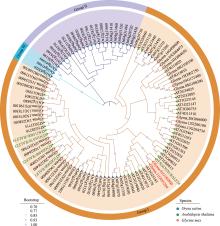
Fig. 1
Phylogenetic tree of RALF genes in Glycine max, Arabidopsis thaliana and Oryza sativa"
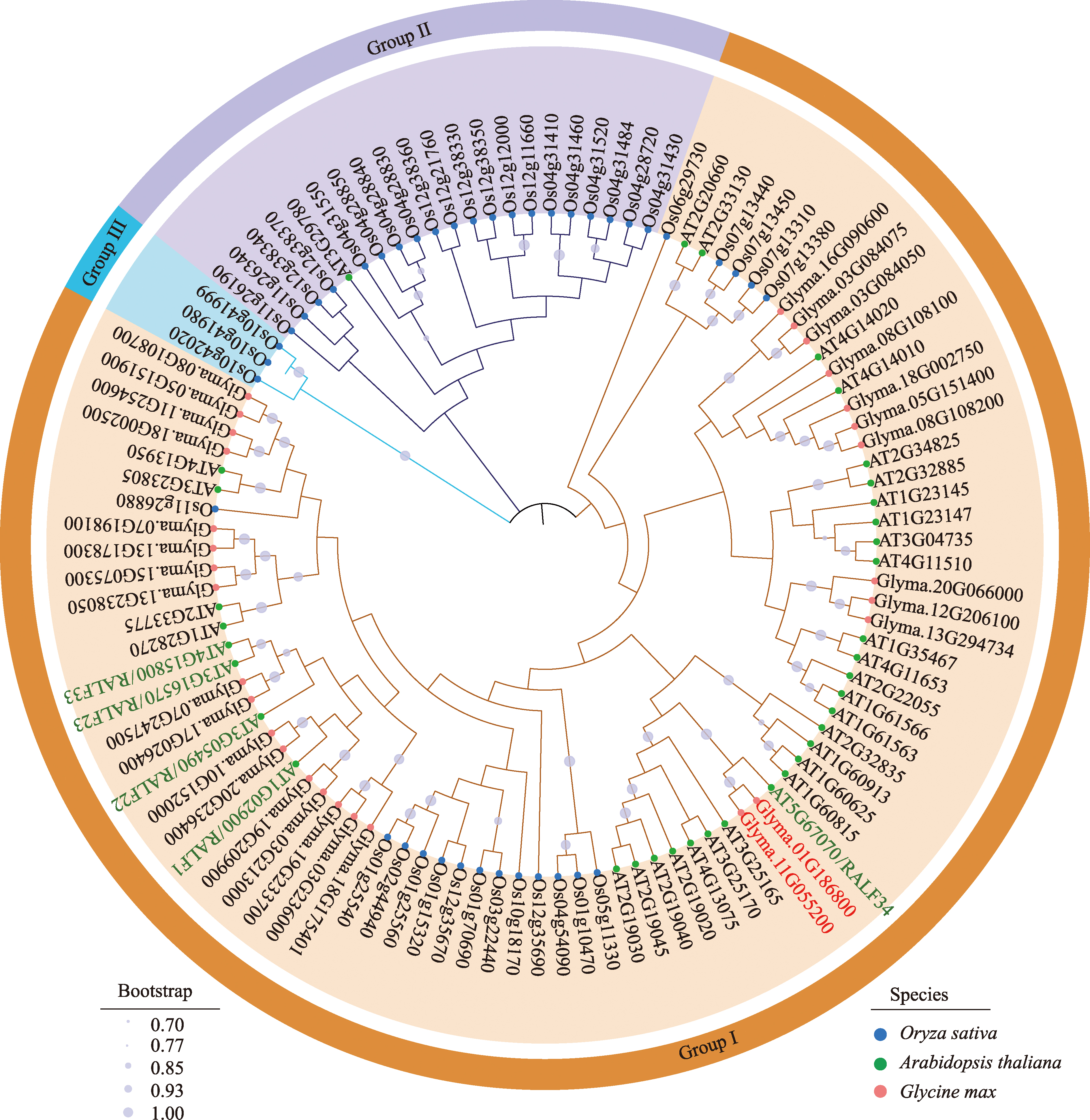
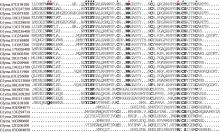
Fig. 2
Analysis of the C-terminal sequence of soybean RALF peptides"
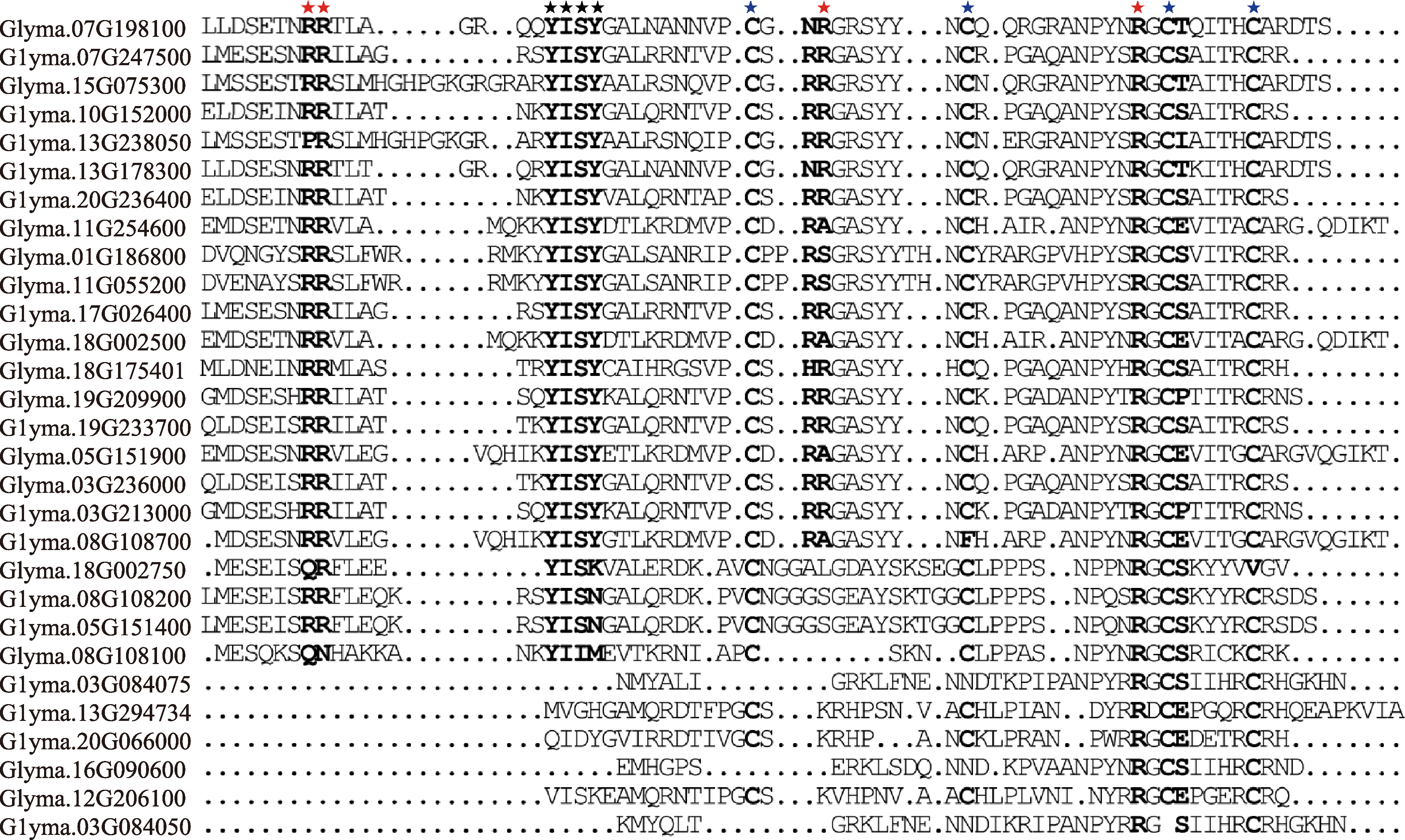
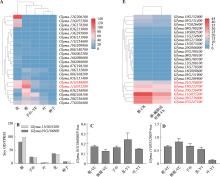
Fig. 3
Tissue-specific expression of GmRALF peptides and its response to alkali stress in soybean"
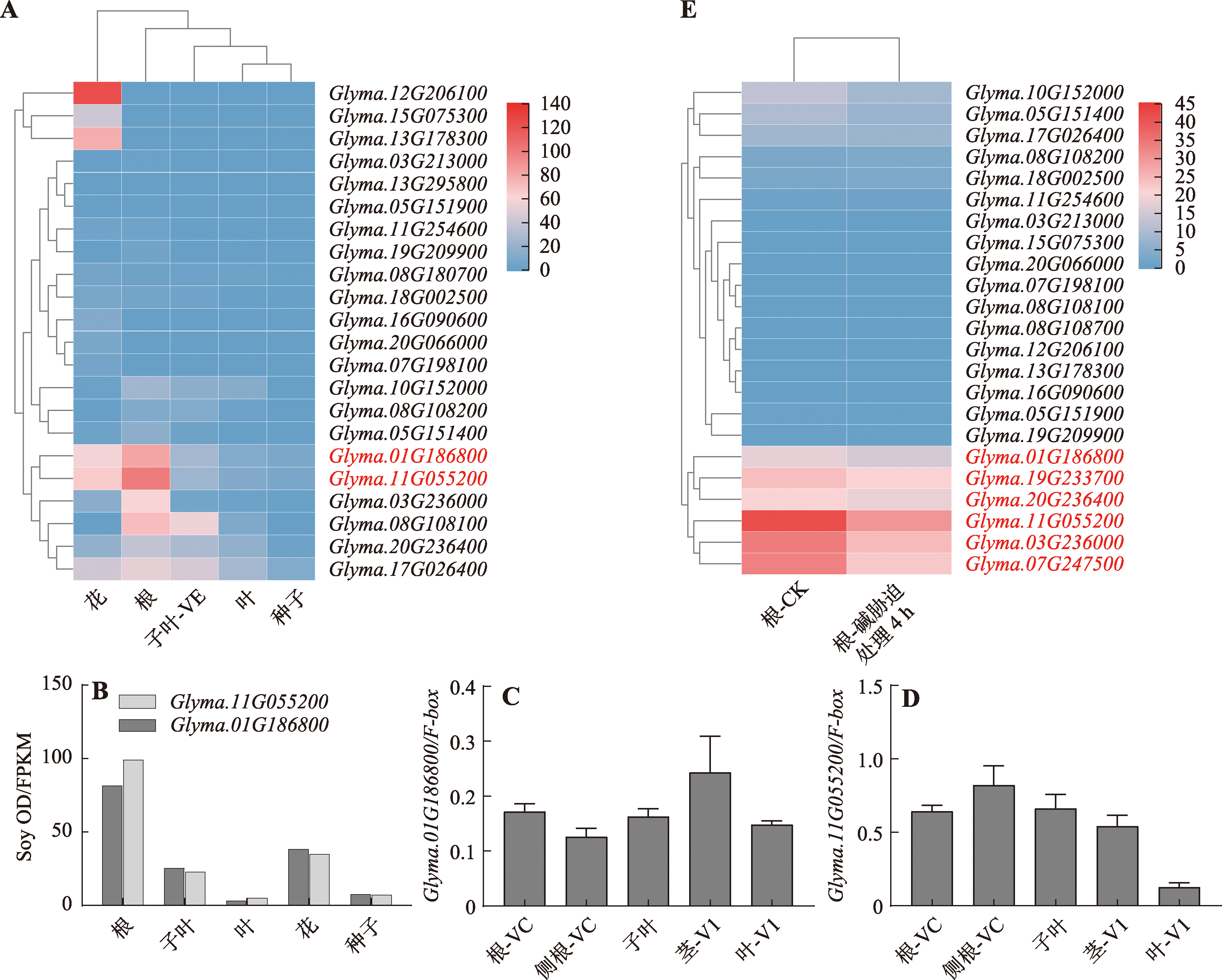
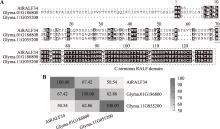
Fig. 4
Sequence alignment and similarity analysis of GmRALF34s and AtRALF34 proteins in soybean and Arabidopsis"
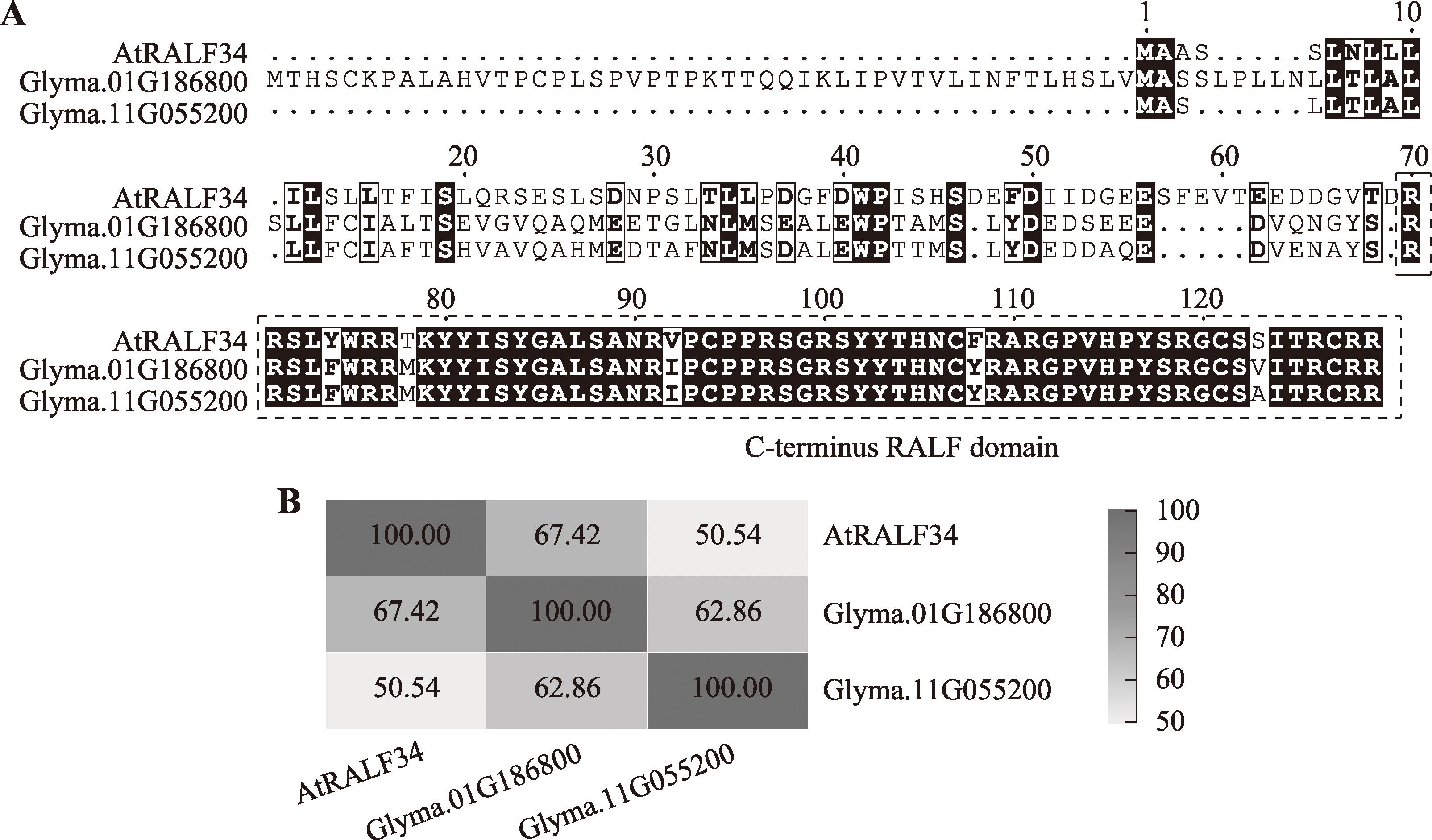
Fig. 5
Schematic diagram of the gene structure and gene-edited mutants of soybean GmRALF34s"
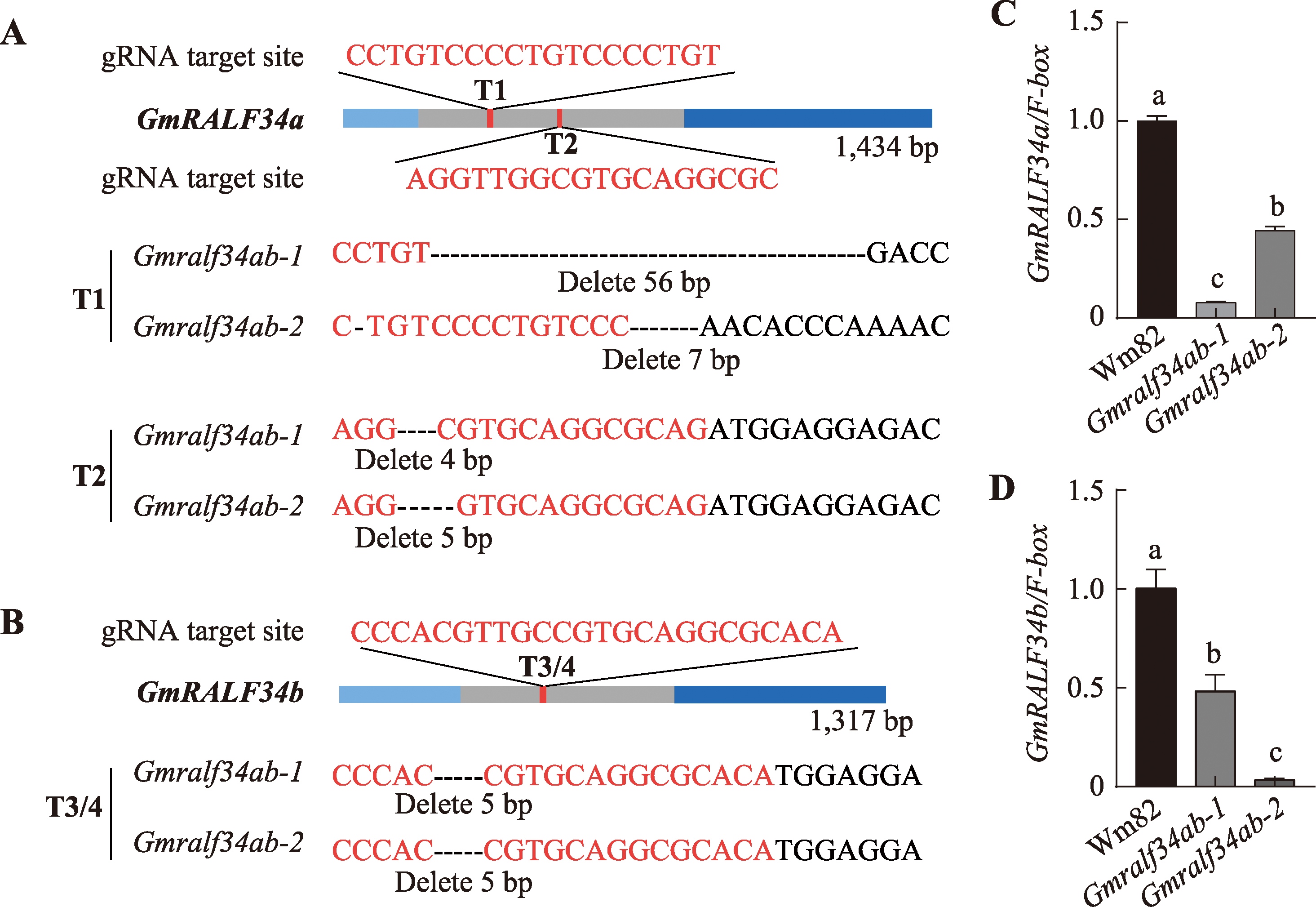
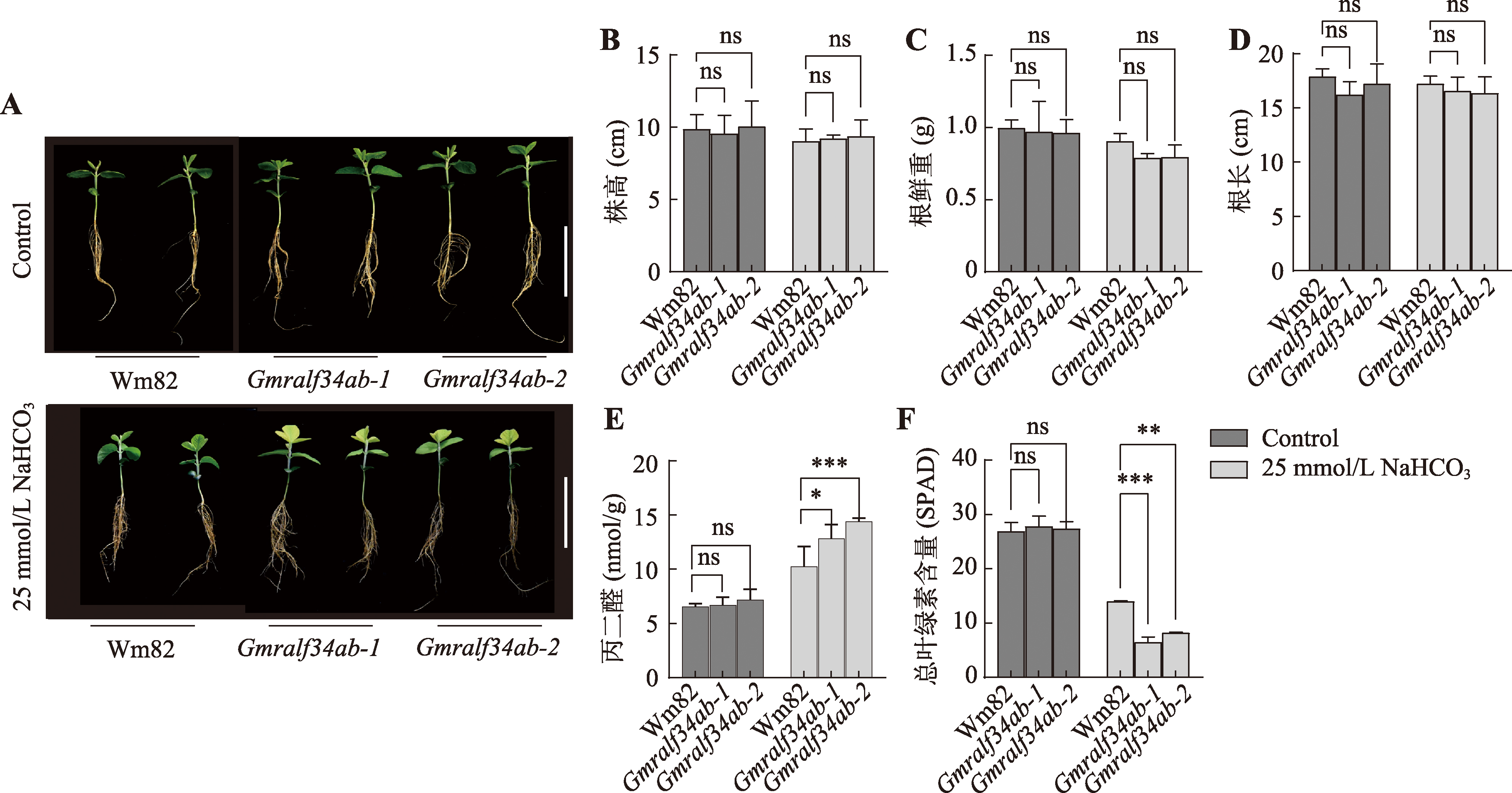
Fig. 6
Phenotypic and physiological analysis of soybean GmRALF34s loss-of-function mutants under alkali stress"
Supplementary Fig. 1
Phenotypic and physiological analysis of soybean GmRALF34s loss-of-function mutants under neutral salt stress"
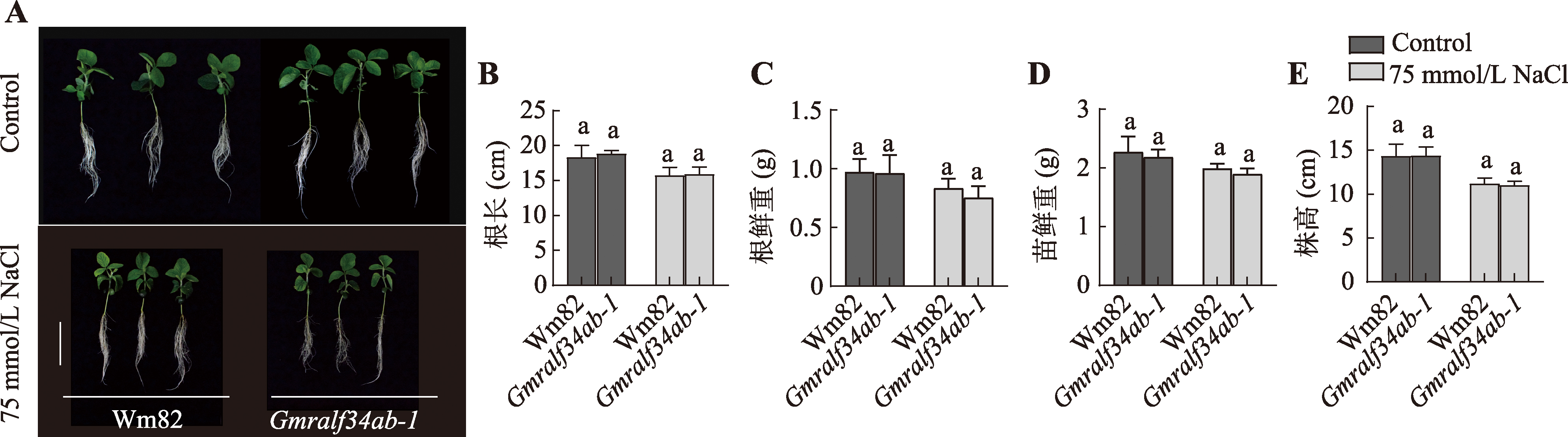
Fig. 7
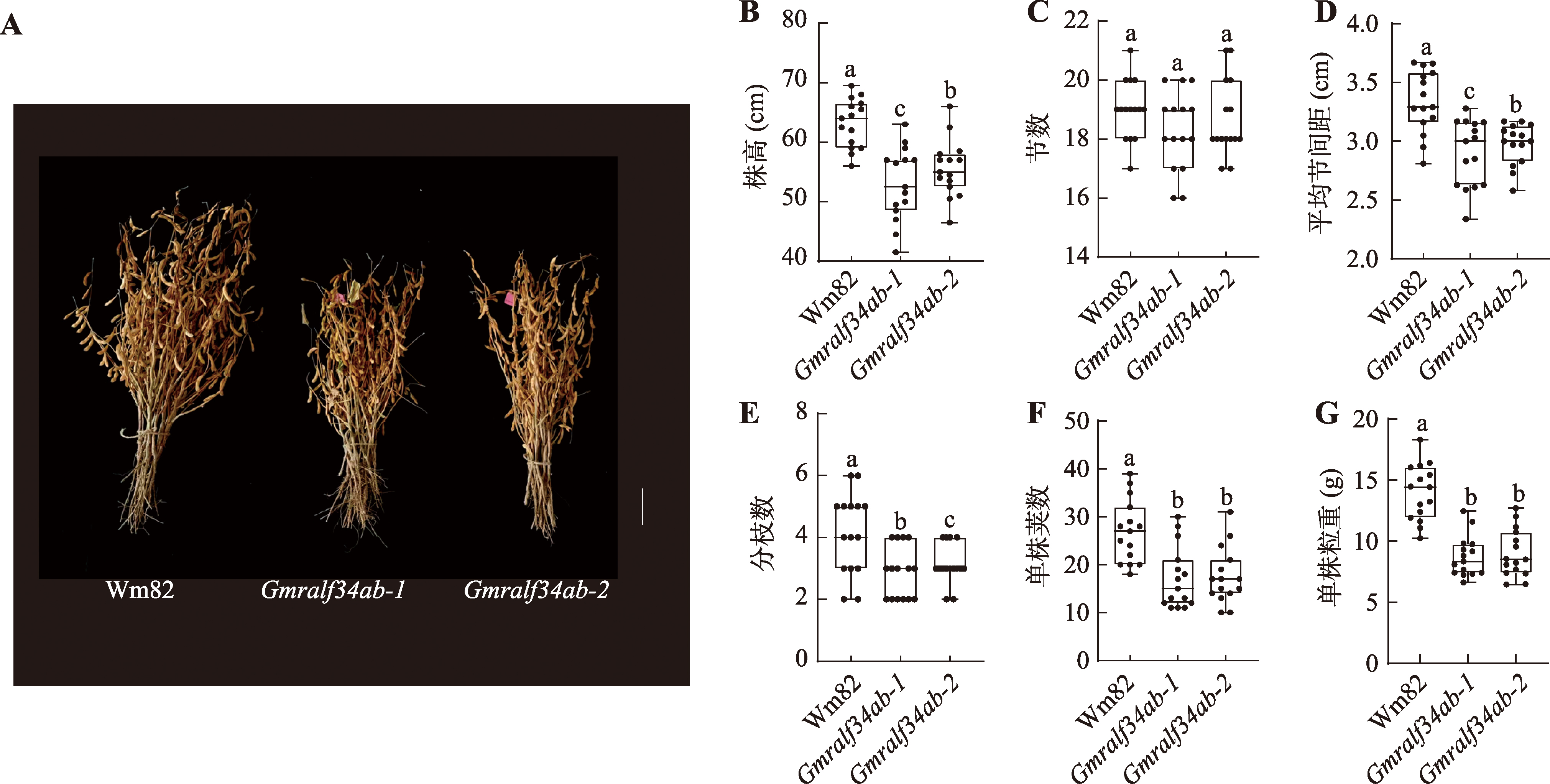
Phenotypic identification of soybean Gmralf34ab double mutant in saline-alkaline soil"
| [1] | Liu YC, Shen YT, Tian ZX. Advances in soybean pan-genome research. Hereditas (Beijing), 2024, 46(3): 183-198. |
| 刘羽诚, 申妍婷, 田志喜. 大豆泛基因组研究进展. 遗传, 2024, 46(3): 183-198. | |
| [2] | Zhu W, Gu SG, Jiang R, Zhang X, Hatano R. Saline-alkali soil reclamation contributes to soil health improvement in China. Agric, 2024, 14(8): 1210. |
| [3] |
Ma L, Li JR, Li JF, Huo YD, Yang YQ, Jiang CF, Guo Y. Plant salt-tolerance mechanisms: Classic signaling pathways, emerging frontiers, and future perspectives. Mol Plant, 2026, 19(3): 538-570.
pmid: 41403128 |
| [4] |
Tibesigwa DG, Zhuang WH, Matola SH, Zhao HQ, Li WX, Yang L, Ren JR, Liu QQ, Yang JL. Molecular insights into salt stress adaptation in plants. Plant Cell Environ, 2025, 48(7): 5604-5615.
pmid: 40211820 |
| [5] |
Hu YF, Wang D, Zhang XH, Lv XD, Li B. Current progress in deciphering the molecular mechanisms underlying plant salt tolerance. Curr Opin Plant Biol, 2025, 83: 102671.
pmid: 39603169 |
| [6] |
Apse MP, Aharon GS, Snedden WA, Blumwald E. Salt tolerance conferred by overexpression of a vacuolar Na+/H+antiport in Arabidopsis. Science, 1999, 285(5431): 1256-1258.
pmid: 10455050 |
| [7] |
Zhao SS, Zhang QK, Liu MY, Zhou HP, Ma CL, Wang PP. Regulation of plant responses to salt stress. Int J Mol Sci, 2021, 22(9): 4609.
pmid: 33924753 |
| [8] |
Jia WS, Wang YQ, Zhang SQ, Zhang JH. Salt-stress- induced ABA accumulation is more sensitively triggered in roots than in shoots. J Exp Bot, 2002, 53(378): 2201-2206.
pmid: 12379787 |
| [9] |
Waadt R, Seller CA, Hsu PK, Takahashi Y, Munemasa S, Schroeder JI. Plant hormone regulation of abiotic stress responses. Nat Rev Mol Cell Biol, 2022, 23(10): 680-694.
pmid: 35513717 |
| [10] |
Manchanda P, Geitmann A. The tri-molecular interaction controlling plant cell structure. Curr Opin Cell Biol, 2025, 95: 102538.
pmid: 40411925 |
| [11] |
Pearce G, Moura DS, Stratmann J, Ryan CA. RALF, a 5-kDa ubiquitous polypeptide in plants, arrests root growth and development. Proc Natl Acad Sci USA, 2001, 98(22): 12843-12847.
pmid: 11675511 |
| [12] |
Srivastava R, Liu JX, Guo HQ, Yin YH, Howell SH. Regulation and processing of a plant peptide hormone, AtRALF23, in Arabidopsis. Plant J, 2009, 59(6): 930-939.
pmid: 19473327 |
| [13] |
Feng HQ, Liu C, Fu R, Zhang MM, Li H, Shen LP, Wei QQ, Sun X, Xu L, Ni B, Li C. LORELEI-LIKE GPI-ANCHORED PROTEINS 2/3 regulate pollen tube growth as chaperones and coreceptors for ANXUR/BUPS receptor kinases in Arabidopsis. Mol Plant, 2019, 12(12): 1612-1623.
pmid: 31541739 |
| [14] |
Murphy E, Vu LD, Van den Broeck L, Lin ZF, Ramakrishna P, van de Cotte B, Gaudinier A, Goh T, Slane D, Beeckman T, Inzé D, Brady SM, Fukaki H, De Smet I. RALFL34 regulates formative cell divisions in Arabidopsis pericycle during lateral root initiation. J Exp Bot, 2016, 67(16): 4863-4875.
pmid: 27521602 |
| [15] |
Zhang R, Shi PT, Zhou M, Liu HZ, Xu XJ, Liu WT, Chen KM. Rapid alkalinization factor: function, regulation, and potential applications in agriculture. Stress Biol, 2023, 3(1): 16.
pmid: 37676530 |
| [16] |
Stes E, Gevaert K, De Smet I. Phosphoproteomics-based peptide ligand-receptor kinase pairing. Commentary on: “A peptide hormone and its receptor protein kinase regulate plant cell expansion”. Front Plant Sci, 2015, 6: 224.
pmid: 25914705 |
| [17] |
Lu R, Lanooij J, Smakowska-Luzan E. From roots to reproduction: the multifaceted roles of rapid alkalinization factor and epidermal patterning factor peptides in plants. J Exp Bot, 2025, 76(19): 5713-5727.
pmid: 40624948 |
| [18] |
Li LX, Chen HH, Alotaibi SS, Pěnčík A, Adamowski M, Novák O, Friml J. RALF1 peptide triggers biphasic root growth inhibition upstream of auxin biosynthesis. Proc Natl Acad Sci USA, 2022, 119(31): e2121058119.
pmid: 35878023 |
| [19] |
Lu YQ, Zhang Y, Li MY, Yao LJ, Zhang XP, Yuan XY, Su X, Lin JX, Cui YN, Li XJ. Spatiotemporal dynamics of AHA 2 reveal that RALF1 induces its endocytosis and vacuolar degradation. Plant Commun, 2025, 6(12): 101535.
pmid: 40999687 |
| [20] |
Schoenaers S, Lee HK, Gonneau M, Faucher E, Levasseur T, Akary E, Claeijs N, Moussu S, Broyart C, Balcerowicz D, AbdElgawad H, Bassi A, Damineli DSC, Costa A, Feijó JA, Moreau C, Bonnin E, Cathala B, Santiago J, Höfte H, Vissenberg K. Rapid alkalinization factor 22 has a structural and signalling role in root hair cell wall assembly. Nat Plants, 2024, 10(3): 494-511.
pmid: 38467800 |
| [21] |
Liu MCJ, Yeh FLJ, Yvon R, Simpson K, Jordan S, Chambers J, Wu HM, Cheung AY. Extracellular pectin-RALF phase separation mediates FERONIA global signaling function. Cell, 2024, 187(2): 312-330.e22.
pmid: 38157854 |
| [22] |
Feng W, Kita D, Peaucelle A, Cartwright HN, Doan V, Duan QH, Liu MC, Maman J, Steinhorst L, Schmitz-Thom I, Yvon R, Kudla J, Wu HM, Cheung AY, Dinneny JR. The FERONIA receptor kinase maintains cell-wall integrity during salt stress through Ca2+ signaling. Curr Biol, 2018, 28(5): 666-675.e5.
pmid: 29456142 |
| [23] |
Zhao CZ, Zayed O, Yu ZP, Jiang W, Zhu PP, Hsu CC, Zhang LR, Tao WA, Lozano-Durán R, Zhu JK. Leucine-rich repeat extensin proteins regulate plant salt tolerance in Arabidopsis. Proc Natl Acad Sci USA, 2018, 115(51): 13123-13128.
pmid: 30514814 |
| [24] |
He YH, Chen SY, Chen XY, Xu YP, Liang Y, Cai XZ. RALF22 promotes plant immunity and amplifies the Pep3 immune signal. J Integr Plant Biol, 2023, 65(11): 2519-2534.
pmid: 37698076 |
| [25] |
Stegmann M, Monaghan J, Smakowska-Luzan E, Rovenich H, Lehner A, Holton N, Belkhadir Y, Zipfel C. The receptor kinase FER is a RALF-regulated scaffold controlling plant immune signaling. Science, 2017, 355(6322): 287-289.
pmid: 28104890 |
| [26] |
Liu YH, Chen YH, Jiang HK, Shui ZW, Zhong YJ, Shang J, Yang H, Sun X, Du JB. Genome-wide characterization of soybean RALF genes and their expression responses to Fusarium oxysporum. Front Plant Sci, 2022, 13: 1006028.
pmid: 36275562 |
| [27] |
Gonneau M, Desprez T, Martin M, Doblas VG, Bacete L, Miart F, Sormani R, Hématy K, Renou J, Landrein B, Murphy E, Van De Cotte B, Vernhettes S, De Smet I, Höfte H. Receptor kinase THESEUS1 is a rapid alkalinization factor 34 receptor in Arabidopsis. Curr Biol, 2018, 28(15): 2452-2458.e4.
pmid: 30057301 |
| [28] |
Ge ZX, Bergonci T, Zhao YL, Zou YJ, Du S, Liu MC, Luo XJ, Ruan H, García-Valencia LE, Zhong S, Hou SY, Huang QP, Lai LH, Moura DS, Gu HY, Dong J, Wu HM, Dresselhaus T, Xiao JY, Cheung AY, Qu LJ. Arabidopsis pollen tube integrity and sperm release are regulated by RALF-mediated signaling. Science, 2017, 358(6370): 1596-1600.
pmid: 29242234 |
| [29] |
Bai MY, Yuan CC, Kuang HQ, Sun Q, Hu XC, Cui LN, Lin WX, Peng CY, Yue P, Song SK, Guo ZB, Guan YF. Combination of two multiplex genome-edited soybean varieties enables customization of protein functional properties. Mol Plant, 2022, 15(7): 1081-1083.
pmid: 35643862 |
| [30] |
Kumar S, Stecher G, Li M, Knyaz C, Tamura K. MEGA X: molecular evolutionary genetics analysis across computing platforms. Mol Biol Evol, 2018, 35(6): 1547-1549.
pmid: 29722887 |
| [31] |
Letunic I, Bork P. Interactive Tree of Life (iTOL) v6: recent updates to the phylogenetic tree display and annotation tool. Nucleic Acids Res, 2024, 52(W1): W78-W82.
pmid: 38613393 |
| [32] |
Chen CJ, Chen H, Zhang Y, Thomas HR, Frank MH, He YH, Xia R. TBtools: an integrative toolkit developed for interactive analyses of big biological data. Mol Plant, 2020, 13(8): 1194-1202.
pmid: 32585190 |
| [33] |
He JX, Lin JY, Wang N, Yang J, Yang XC, Chen YF, Zhang MT, Chen RF, Chen XL, Dong LD, Kong FJ, Liu BH, Zhang CB, Tian ZX, Li MN. The clock component LHY1b negatively regulates alkaline stress by repressing AOX1-mediated oxidative responses in soybean. Plant Physiol, 2025, 198(3): kiaf253.
pmid: 40513111 |
| [34] |
Ma XL, Zhang QY, Zhu QL, Liu W, Chen Y, Qiu R, Wang B, Yang ZF, Li HY, Lin YR, Xie YY, Shen RX, Chen SF, Wang Z, Chen YL, Guo JX, Chen LT, Zhao XC, Dong ZC, Liu YG. A robust CRISPR/Cas9 system for convenient, high-efficiency multiplex genome editing in monocot and dicot plants. Mol Plant, 2015, 8(8): 1274-1284.
pmid: 25917172 |
| [35] | Yang J, Xing GJ, Du X, Sui L, Guo DQ, Niu L, Yang XD. Effects of different soybean genotypes on the transformation efficiency of soybean and analysis of the T-DNA insertions in the soybean genome. Soyb Sci, 2016, 35(4): 562-567. |
| 杨静, 邢国杰, 杜茜, 隋丽, 郭东全, 牛陆, 杨向东. 不同大豆基因型对大豆遗传转化效率的影响及外源T-DNA插入分析. 大豆科学, 2016, 35(4): 562-567. | |
| [36] |
Liu WZ, Xie XR, Ma XL, Li J, Chen JH, Liu YG. DSDecode: a web-based tool for decoding of sequencing chromatograms for genotyping of targeted mutations. Mol Plant, 2015, 8(9): 1431-1433.
pmid: 26032088 |
| [37] |
Blackburn MR, Haruta M, Moura DS. Twenty years of progress in physiological and biochemical investigation of RALF peptides. Plant Physiol, 2020, 182(4): 1657-1666.
pmid: 32071151 |
| [38] |
Schoenaers S, Vissenberg K. Overlooked aspects of CrRLK1L-RALF signaling. New Phytol, 2025, 248(2): 549-554.
pmid: 40716037 |
| [39] | He JX, Chen YF, Zhang MT, Qiu YJ, Zhou HP, Li MN. Current perspectives on improving soybean performance on saline-alkaline lands. New Crops, 2026, 3(6): 100079. |
| [40] |
Abarca A, Franck CM, Zipfel C. Family-wide evaluation of RAPID ALKALINIZATION FACTOR peptides. Plant Physiol, 2021, 187(2): 996-1010.
pmid: 34608971 |
| [41] |
Pearce G, Yamaguchi Y, Munske G, Ryan CA. Structure- activity studies of RALF, rapid alkalinization factor, reveal an essential-YISY-motif. Peptides, 2010, 31(11): 1973-1977.
pmid: 20800638 |
| [42] |
Haruta M, Sabat G, Stecker K, Minkoff BB, Sussman MR. A peptide hormone and its receptor protein kinase regulate plant cell expansion. Science, 2014, 343(6169): 408-411.
pmid: 24458638 |
| [1] | Zihao Wang, Zhaoqing Yang. Advances in site-specific knock-in techniques for gene editing [J]. Hereditas(Beijing), 2026, 48(2): 128-141. |
| [2] | Shaohui Zheng, Yang Liu, Xinxin Xia, Yanmei Liu. Advances in base editing technology and the construction of precise zebrafish disease models [J]. Hereditas(Beijing), 2026, 48(1): 46-60. |
| [3] | Ma Baoxia, Yang Sen, Lyu Ming, Wang Yuren, Chang Liye, Han Yifan, Wang Jiangang, Guo Yang, Xu Kun. Comparison and optimization of different CRISPR/Cas9 donor-adapting systems for gene editing [J]. Hereditas(Beijing), 2024, 46(6): 466-477. |
| [4] | Zhenlin Cao, Jinhong Li, Minhui Zhou, Manting Zhang, Ning Wang, Yifei Chen, Jiaxin Li, Qingsong Zhu, Wenjun Gong, Xuchen Yang, Xiaolong Fang, Jiaxian He, Meina Li. Functional study of the soybean stamen-preferentially expressed gene GmFLA22a in regulating male fertility [J]. Hereditas(Beijing), 2024, 46(4): 333-345. |
| [5] | Yucheng Liu, Yanting Shen, Zhixi Tian. Frontiers of soybean pan-genome studies [J]. Hereditas(Beijing), 2024, 46(3): 183-198. |
| [6] | Yanchun Bao, Lingli Dai, Zaixia Liu, Fengying Ma, Yu Wang, Yongbin Liu, Mingjuan Gu, Risu Na, Wenguang Zhang. Progress on CRISPR/Cas9 system in the genetic improvement of livestock and poultry [J]. Hereditas(Beijing), 2024, 46(3): 219-231. |
| [7] | Biwei Lai, Lei Chen, Sijia Lu. The current status of photoperiod adaptability in soybean [J]. Hereditas(Beijing), 2023, 45(9): 793-800. |
| [8] | Bingzheng Wang, Chao Zhang, Jiali Zhang, Jin Sun. Conditional editing of the Drosophila melanogaster genome using single transcripts expressing Cas9 and sgRNA [J]. Hereditas(Beijing), 2023, 45(7): 593-601. |
| [9] | Meizhen Liu, Liren Wang, Yongmei Li, Xueyun Ma, Honghui Han, Dali Li. Generation of genetically modified rat models via the CRISPR/Cas9 technology [J]. Hereditas(Beijing), 2023, 45(1): 78-87. |
| [10] | Xiaojun Zhang, Kun Xu, Juncen Shen, Lu Mu, Hongrun Qian, Jieyu Cui, Baoxia Ma, Zhilong Chen, Zhiying Zhang, Zehui Wei. A CRISPR/Cas9-Gal4BD donor adapting system for enhancing homology-directed repair [J]. Hereditas(Beijing), 2022, 44(8): 708-719. |
| [11] | Chong Zhang, Zixuan Wei, Min Wang, Yaosheng Chen, Zuyong He. Editing MC1R in human melanoma cells by CRISPR/Cas9 and functional analysis [J]. Hereditas(Beijing), 2022, 44(7): 581-590. |
| [12] | Yao Liu, Xianhui Zhou, Shuhong Huang, Xiaolong Wang. Prime editing: a search and replace tool with versatile base changes [J]. Hereditas(Beijing), 2022, 44(11): 993-1008. |
| [13] | Yuting Han, Bowen Xu, Yutong Li, Xinyi Lu, Xizhi Dong, Yuhao Qiu, Qinyun Che, Ruibao Zhu, Li Zheng, Xiaochen Li, Xu Si, Jianquan Ni. The cutting edge of gene regulation approaches in model organism Drosophila [J]. Hereditas(Beijing), 2022, 44(1): 3-14. |
| [14] | Guangwu Yang, Yuan Tian. The F-box gene Ppa promotes lipid storage in Drosophila [J]. Hereditas(Beijing), 2021, 43(6): 615-622. |
| [15] | Zhongling Wen, Minkai Yang, Xingyu Chen, Chenyu Hao, Ran Ren, Shujuan Chu, Hongwei Han, Hongyan Lin, Guihua Lu, Jinliang Qi, Yonghua Yang. Bacterial composition, function and the enrichment of plant growth promoting rhizobacteria (PGPR) in differential rhizosphere compartments of Al-tolerant soybean in acidic soil [J]. Hereditas(Beijing), 2021, 43(5): 487-500. |
| Viewed | ||||||
|
Full text |
|
|||||
|
Abstract |
|
|||||

